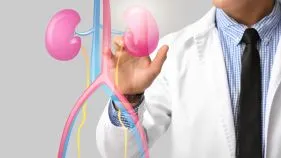
Kidney Failure and Dialysis Treatment: Symptoms, Types, and Expert Kidney Care

Kidney Failure and Dialysis Treatment: Symptoms, Types, and Expert Kidney Care

Introduction

Kidney failure is a serious medical condition in which the kidneys lose their ability to effectively filter waste products, remove excess fluid, and maintain the body's electrolyte balance. Without timely treatment, kidney failure can lead to life-threatening complications. One of the most effective treatments for advanced kidney failure is dialysis, which performs many of the essential functions of healthy kidneys.

At Prabhakar Bhurke Clinic, a super specialist nephrologist provides comprehensive evaluation, advanced dialysis planning, and personalized treatment for patients with acute and chronic kidney failure, helping improve their quality of life and long-term health.


What Is Kidney Failure?

Kidney failure occurs when the kidneys can no longer perform their normal functions efficiently. It can develop suddenly as acute kidney injury (AKI) or gradually over several years as chronic kidney disease (CKD) progresses to end-stage kidney disease (ESKD).

Healthy kidneys are responsible for:

  • Filtering waste products from the blood

  • Removing excess fluid

  • Maintaining electrolyte balance

  • Regulating blood pressure

  • Producing hormones that support red blood cell production and bone health

When these functions decline significantly, medical treatment becomes essential.


Common Causes of Kidney Failure

Several medical conditions can lead to kidney failure, including:

  • Diabetes mellitus

  • High blood pressure (hypertension)

  • Chronic kidney disease

  • Glomerulonephritis

  • Polycystic kidney disease

  • Kidney infections

  • Urinary tract obstruction

  • Severe dehydration

  • Certain medications and toxins

  • Autoimmune kidney disorders

Early treatment of these conditions can help slow or prevent kidney damage.


Symptoms of Kidney Failure

Kidney failure often develops gradually, and symptoms may become more noticeable as kidney function worsens.

Common symptoms include:

  • Persistent fatigue and weakness

  • Swelling of the feet, ankles, legs, or face

  • Reduced urine output

  • Foamy or bloody urine

  • Nausea and vomiting

  • Loss of appetite

  • Persistent itching

  • Shortness of breath

  • Muscle cramps

  • Difficulty concentrating

  • Sleep disturbances

  • High blood pressure

If you experience these symptoms, consult a kidney specialist promptly.


What Is Dialysis?

Dialysis is a medical treatment that removes waste products, excess fluid, and toxins from the blood when the kidneys are no longer able to perform these functions adequately.

Dialysis helps:

  • Clean the blood

  • Maintain fluid balance

  • Correct electrolyte abnormalities

  • Improve symptoms caused by kidney failure

Although dialysis does not cure kidney disease, it is a life-saving treatment that supports patients with advanced kidney failure.


Types of Dialysis Treatment

1. Hemodialysis

Hemodialysis uses a dialysis machine and an artificial filter (dialyzer) to clean the blood.

Typically:

  • Blood is removed from the body through a vascular access.

  • It passes through the dialyzer for filtration.

  • The cleaned blood is returned to the body.

Most patients undergo hemodialysis three times per week, although treatment schedules may vary.


2. Peritoneal Dialysis

Peritoneal dialysis uses the lining of the abdomen (peritoneum) as a natural filter.

A special dialysis solution is introduced into the abdominal cavity through a catheter, where it absorbs waste products before being drained.

This option offers greater flexibility for selected patients.


When Is Dialysis Needed?

A super specialist nephrologist may recommend dialysis when patients develop:

  • End-stage kidney disease

  • Severe fluid overload

  • Persistent high potassium levels (hyperkalemia)

  • Severe metabolic acidosis

  • Uremic symptoms such as confusion, nausea, vomiting, or severe itching

  • Kidney failure causing dangerous complications despite medical treatment

The decision is based on the patient's overall condition, symptoms, and kidney function tests rather than a single laboratory value.


Diagnosis at Prabhakar Bhurke Clinic

To evaluate kidney function, a super specialist nephrologist may recommend:

  • Serum creatinine

  • Estimated Glomerular Filtration Rate (eGFR)

  • Blood urea nitrogen (BUN)

  • Urine analysis

  • Kidney ultrasound

  • Blood pressure evaluation

  • Electrolyte testing

These investigations help determine the severity of kidney disease and guide treatment planning.


Benefits of Dialysis Treatment

Dialysis can:

  • Remove harmful waste products

  • Eliminate excess fluid

  • Improve breathing by reducing fluid overload

  • Reduce swelling

  • Correct electrolyte imbalances

  • Improve appetite and energy levels

  • Enhance overall quality of life

With regular treatment and proper medical care, many patients continue working, traveling, and enjoying active lives.


Lifestyle Tips for Patients on Dialysis

Patients receiving dialysis are encouraged to:

  • Follow a kidney-friendly diet

  • Limit salt intake

  • Monitor fluid consumption as advised

  • Take prescribed medications regularly

  • Control diabetes and blood pressure

  • Stay physically active within recommended limits

  • Attend every dialysis session

  • Keep regular follow-up appointments

Following these recommendations helps improve treatment outcomes.


Can Kidney Failure Be Reversed?

Acute kidney injury may improve if the underlying cause is treated promptly. However, chronic kidney failure is generally irreversible. Treatment focuses on slowing disease progression, managing complications, and improving quality of life through medications, dialysis, and, in suitable patients, kidney transplantation.


Why Choose Prabhakar Bhurke Clinic?

Patients choose Prabhakar Bhurke Clinic because of:

  • Care by a super specialist nephrologist

  • Expertise in chronic kidney disease and kidney failure management

  • Comprehensive dialysis planning and follow-up

  • Advanced diagnostic facilities

  • Personalized treatment plans

  • Patient-centered care with a focus on long-term kidney health


Conclusion

Kidney failure and dialysis treatment are closely linked in the management of advanced kidney disease. Early diagnosis, timely medical intervention, and appropriate dialysis can significantly improve health outcomes and quality of life. Understanding the symptoms of kidney failure and seeking expert care at the right time are essential for preventing serious complications.

At Prabhakar Bhurke Clinic, a super specialist nephrologist provides compassionate, evidence-based care for patients with kidney failure, offering personalized treatment plans designed to support long-term kidney health and overall well-being.


Book an Appointment Today

If you or a loved one has been diagnosed with chronic kidney disease, declining kidney function, or kidney failure, visit Prabhakar Bhurke Clinic for expert consultation and advanced dialysis care. Our super specialist nephrologist will evaluate your condition and recommend the most appropriate treatment to help you live a healthier and more comfortable life.

Pain in Kidneys: Causes, Symptoms, Diagnosis, and Treatment

Pain in Kidneys: Causes, Symptoms, Diagnosis, and Treatment

Introduction

Pain in the kidneys is often felt as discomfort or aching in the back or sides, just below the rib cage. While not all back pain is related to the kidneys, persistent or severe pain in the kidney area may indicate an underlying medical condition that requires prompt attention. Early diagnosis and treatment are essential to prevent complications and preserve kidney function.

At Prabhakar Bhurke Clinic, a super specialist nephrologist provides comprehensive diagnosis and advanced treatment for kidney diseases, kidney stones, urinary tract disorders, and chronic kidney conditions.


What Does Kidney Pain Feel Like?

Kidney pain is typically located:

  • On one or both sides of the back below the ribs

  • In the flank region

  • Around the lower back

  • Sometimes radiating to the lower abdomen or groin

Unlike muscle pain, kidney pain is often deeper, persistent, and may be associated with urinary symptoms or fever.


Common Causes of Pain in Kidneys

1. Kidney Stones

Kidney stones are one of the leading causes of kidney pain. A stone moving through the urinary tract can cause intense pain, known as renal colic.

Symptoms may include:

  • Severe flank pain

  • Blood in the urine

  • Nausea and vomiting

  • Pain during urination


2. Kidney Infection (Pyelonephritis)

A bacterial infection affecting the kidneys may cause:

  • Fever and chills

  • Pain in the side or back

  • Burning while urinating

  • Frequent urination

  • Fatigue

Prompt treatment is important to prevent kidney damage.


3. Urinary Tract Obstruction

Blockages caused by kidney stones, ureteral narrowing, or enlarged prostate can prevent normal urine flow and lead to kidney pain.


4. Polycystic Kidney Disease

This inherited condition causes multiple fluid-filled cysts to develop in the kidneys, leading to:

  • Chronic kidney pain

  • High blood pressure

  • Reduced kidney function


5. Hydronephrosis

Urine buildup inside the kidney due to obstruction can cause swelling and discomfort.


6. Chronic Kidney Disease

Although chronic kidney disease often develops without pain in its early stages, advanced disease or associated complications may cause flank discomfort, swelling, or other symptoms.


Symptoms That May Accompany Kidney Pain

Patients may also experience:

  • Blood in the urine

  • Frequent or painful urination

  • Fever and chills

  • Swelling of the legs or face

  • Reduced urine output

  • Nausea and vomiting

  • Fatigue

  • High blood pressure

If these symptoms occur along with kidney pain, medical evaluation is essential.


When Should You See a Doctor?

Seek immediate medical attention if you experience:

  • Severe or persistent kidney pain

  • Fever with chills

  • Blood in the urine

  • Difficulty passing urine

  • Persistent vomiting

  • Swelling or sudden decrease in urine output

Timely treatment can help prevent permanent kidney damage.


How Is Kidney Pain Diagnosed?

A super specialist nephrologist may recommend:

  • Detailed medical history and physical examination

  • Blood tests (creatinine, urea, eGFR)

  • Urine analysis and urine culture

  • Kidney ultrasound

  • CT scan for kidney stones or obstruction

  • Kidney function tests

These investigations help determine the exact cause of kidney pain.


Treatment for Pain in Kidneys

Treatment depends on the underlying condition.

1. Medication

Your doctor may prescribe:

  • Pain-relieving medicines

  • Antibiotics for infections

  • Medicines to help kidney stones pass

  • Blood pressure medications when necessary


2. Kidney Stone Treatment

Depending on the size and location of the stone, treatment may include:

  • Medical management

  • Ureteroscopy (URS)

  • Laser lithotripsy

  • ESWL (Shock Wave Lithotripsy)

  • PCNL for larger stones


3. Treatment for Kidney Infections

Kidney infections require prompt antibiotic treatment and adequate hydration.


4. Management of Chronic Kidney Disease

Patients with CKD may require:

  • Regular monitoring

  • Kidney-friendly diet

  • Blood pressure and diabetes control

  • Dialysis in advanced stages if indicated


5. Lifestyle Changes

Maintaining kidney health includes:

  • Drinking adequate water

  • Reducing salt intake

  • Avoiding smoking

  • Maintaining a healthy weight

  • Exercising regularly

  • Avoiding unnecessary use of painkillers


Can Kidney Pain Be Prevented?

While not every cause is preventable, you can reduce your risk by:

  • Staying well hydrated

  • Treating urinary tract infections promptly

  • Managing diabetes and hypertension

  • Following a balanced diet

  • Having regular kidney check-ups if you are at risk


Why Choose Prabhakar Bhurke Clinic?

Patients choose Prabhakar Bhurke Clinic because of:

  • Care by a super specialist nephrologist

  • Expertise in kidney stone and kidney disease treatment

  • Advanced diagnostic facilities

  • Personalized treatment plans

  • Comprehensive dialysis and chronic kidney disease management

  • Focus on long-term kidney health


Conclusion

Pain in kidneys can result from kidney stones, infections, urinary obstruction, or chronic kidney disorders. Since the symptoms of kidney pain can overlap with other medical conditions, accurate diagnosis by an experienced nephrologist is essential. Early treatment not only relieves discomfort but also helps preserve kidney function and prevents serious complications.

At Prabhakar Bhurke Clinic, a super specialist nephrologist provides expert diagnosis, advanced treatment, and compassionate care for patients experiencing kidney pain and other kidney-related conditions.


Book an Appointment Today

If you are experiencing persistent pain in the kidney area, blood in the urine, fever, or urinary problems, schedule a consultation at Prabhakar Bhurke Clinic. Our super specialist nephrologist will identify the cause of your symptoms and create a personalized treatment plan to restore your kidney health.

Pain in Kidneys: Causes, Symptoms, Diagnosis, and Treatment

Kidney Cyst Cure: Causes, Symptoms, Treatment, and Expert Kidney Care

Introduction

A kidney cyst is a fluid-filled sac that develops on or within the kidneys. Many kidney cysts are harmless and may not require treatment, while others can cause pain, infection, bleeding, or affect kidney function. People often search for a kidney cyst cure, but the appropriate treatment depends on the type, size, and symptoms of the cyst.

At Prabhakar Bhurke Clinic, a super specialist nephrologist provides comprehensive evaluation and personalized treatment for simple and complex kidney cysts, helping patients maintain healthy kidney function.


What Is a Kidney Cyst?

A kidney cyst is a round or oval sac filled with fluid. Kidney cysts are generally classified into two types:

1. Simple Kidney Cysts

These are the most common type and are usually non-cancerous. Many people have no symptoms, and the cysts are often discovered during imaging tests performed for other reasons.

2. Complex Kidney Cysts

These cysts have thicker walls, internal partitions, or solid components. They require careful evaluation because some may need additional testing or treatment.


Symptoms of a Kidney Cyst

Small kidney cysts often cause no symptoms. Larger or complicated cysts may cause:

  • Pain in the back, side, or upper abdomen

  • Feeling of fullness or pressure

  • Blood in the urine (hematuria)

  • Frequent urinary tract infections

  • Fever if the cyst becomes infected

  • High blood pressure

  • Difficulty passing urine in rare cases

Seek medical evaluation if these symptoms occur.


What Causes Kidney Cysts?

The exact cause of simple kidney cysts is not always known. Risk factors include:

  • Increasing age

  • Family history of kidney disease

  • Polycystic kidney disease (inherited condition)

  • Chronic kidney disease

  • Kidney injury in some cases


How Are Kidney Cysts Diagnosed?

A super specialist nephrologist may recommend:

  • Medical history and physical examination

  • Kidney ultrasound

  • CT scan

  • MRI for complex cysts

  • Blood tests to assess kidney function

  • Urine analysis

These investigations help determine the size, location, and nature of the cyst and guide treatment decisions.


Kidney Cyst Cure and Treatment Options

The best treatment depends on whether the cyst is causing symptoms or affecting kidney function.

1. Observation and Regular Monitoring

Most simple kidney cysts do not require immediate treatment.

Your doctor may recommend:

  • Periodic ultrasound examinations

  • Regular kidney function tests

  • Follow-up consultations

This approach is appropriate when the cyst is small and asymptomatic.


2. Medications

Medicines may be prescribed to:

  • Relieve pain

  • Treat infection if present

  • Control high blood pressure associated with kidney disease

Medications do not usually make a kidney cyst disappear but help manage associated symptoms and complications.


3. Aspiration and Sclerotherapy

For symptomatic simple cysts:

  • The cyst is drained using a fine needle under imaging guidance.

  • A special solution may be injected to reduce the chance of recurrence.

This minimally invasive procedure is suitable for selected patients.


4. Laparoscopic Kidney Cyst Surgery

If the cyst is large, painful, repeatedly infected, or recurs after drainage, laparoscopic surgery may be recommended.

Benefits include:

  • Small incisions

  • Less postoperative pain

  • Faster recovery

  • Shorter hospital stay


5. Management of Polycystic Kidney Disease

Patients with polycystic kidney disease require long-term management, including:

  • Blood pressure control

  • Kidney function monitoring

  • Lifestyle modifications

  • Treatment of complications

  • Dialysis or kidney transplantation in advanced cases, if required


Can Kidney Cysts Be Prevented?

While many kidney cysts cannot be prevented, maintaining kidney health can reduce the risk of complications.

Helpful measures include:

  • Drinking adequate water

  • Controlling blood pressure

  • Managing diabetes

  • Eating a balanced diet

  • Avoiding smoking

  • Attending regular health check-ups


When Should You See a Kidney Specialist?

Consult a super specialist nephrologist if you experience:

  • Persistent side or back pain

  • Blood in the urine

  • Recurrent urinary infections

  • Fever with kidney pain

  • Increasing size of a known kidney cyst

  • Abnormal kidney function tests

Early diagnosis can help prevent complications and preserve kidney health.


Why Choose Prabhakar Bhurke Clinic?

Patients trust Prabhakar Bhurke Clinic because of:

  • Care by a super specialist nephrologist

  • Expertise in diagnosing and treating kidney cysts

  • Advanced imaging and kidney function evaluation

  • Personalized treatment plans

  • Minimally invasive treatment options

  • Comprehensive long-term kidney care


Conclusion

A kidney cyst cure depends on the type of cyst, its size, symptoms, and overall kidney health. While many simple kidney cysts require only regular monitoring, symptomatic or complex cysts may need medical or surgical treatment. Early evaluation by a kidney specialist ensures accurate diagnosis and appropriate care.

At Prabhakar Bhurke Clinic, a super specialist nephrologist provides compassionate, evidence-based treatment for kidney cysts and other kidney disorders, helping patients achieve the best possible outcomes.


Book an Appointment Today

If you have been diagnosed with a kidney cyst or are experiencing persistent flank pain, blood in the urine, or recurrent urinary infections, schedule a consultation at Prabhakar Bhurke Clinic. Our super specialist nephrologist will evaluate your condition and recommend the most appropriate treatment to protect your kidney health.

Enlarged Kidney Symptoms: Causes, Diagnosis, and Treatment

Enlarged Kidney Symptoms: Causes, Diagnosis, and Treatment

Introduction

An enlarged kidney, medically known as nephromegaly, is not a disease itself but a sign of an underlying kidney condition. The kidney may enlarge due to urinary obstruction, kidney stones, infections, cysts, or other medical disorders. While some people may not experience symptoms initially, others may develop pain, urinary problems, or reduced kidney function.

Recognizing enlarged kidney symptoms early is essential for preventing complications and preserving kidney health. At Prabhakar Bhurke Clinic, a super specialist nephrologist provides comprehensive diagnosis and advanced treatment for kidney diseases affecting patients of all ages.


What Is an Enlarged Kidney?

An enlarged kidney occurs when one or both kidneys become larger than their normal size. This enlargement may result from:

  • Blockage of urine flow

  • Kidney infection

  • Kidney stones

  • Fluid accumulation (hydronephrosis)

  • Kidney cysts

  • Polycystic kidney disease

  • Certain tumors or rare congenital conditions

The exact cause must be identified before treatment is started.


Enlarged Kidney Symptoms

The symptoms vary depending on the underlying cause and severity of the condition.

Common symptoms include:

  • Pain in the side, back, or flank

  • Lower back discomfort

  • Swelling in the abdomen or flank area

  • Blood in the urine (hematuria)

  • Frequent urination

  • Pain or burning while passing urine

  • Difficulty passing urine

  • Fever and chills if an infection is present

  • Nausea and vomiting

  • Fatigue and weakness

  • High blood pressure

  • Swelling in the legs, ankles, or feet in advanced kidney disease

Some patients, especially in the early stages, may have no symptoms and the condition is discovered during an ultrasound or CT scan performed for another reason.


Common Causes of an Enlarged Kidney

Several conditions can cause kidney enlargement, including:

1. Kidney Stones

Large stones can obstruct urine flow, causing swelling and enlargement of the kidney.

2. Hydronephrosis

A blockage in the urinary tract causes urine to accumulate inside the kidney, resulting in enlargement.

3. Kidney Infection (Pyelonephritis)

A severe infection can cause inflammation and swelling of the kidney tissue.

4. Polycystic Kidney Disease

Inherited cysts gradually enlarge the kidneys and reduce kidney function over time.

5. Urinary Tract Obstruction

Conditions such as ureteric strictures or an enlarged prostate may block urine flow.

6. Kidney Tumors

Both benign and malignant growths can increase the size of the kidney.


Who Is at Higher Risk?

The risk of developing an enlarged kidney is higher in:

  • Patients with kidney stones

  • Individuals with recurrent urinary tract infections

  • People with diabetes

  • Patients with high blood pressure

  • Individuals with a family history of kidney disease

  • Older adults

  • Patients with congenital urinary tract abnormalities


How Is an Enlarged Kidney Diagnosed?

A super specialist nephrologist may recommend:

  • Medical history and physical examination

  • Blood tests (creatinine, urea, eGFR)

  • Urine analysis and urine culture

  • Kidney ultrasound

  • CT scan or MRI when necessary

  • Kidney function tests

These investigations help determine the underlying cause and the severity of kidney involvement.


Treatment for an Enlarged Kidney

Treatment depends entirely on the underlying condition causing the enlargement.

1. Medications

Your doctor may prescribe medicines to:

  • Treat bacterial infections

  • Control blood pressure

  • Reduce inflammation

  • Relieve pain when appropriate


2. Kidney Stone Treatment

If kidney stones are responsible, treatment may include:

  • Medical therapy

  • Ureteroscopy (URS)

  • Laser lithotripsy

  • ESWL (Shock Wave Lithotripsy)

  • PCNL for larger stones


3. Relieving Urinary Obstruction

If urine flow is blocked, treatment may involve:

  • Ureteral stent placement

  • Nephrostomy tube

  • Corrective surgical procedures when required


4. Management of Chronic Kidney Disease

If enlargement is associated with CKD, treatment focuses on:

  • Slowing disease progression

  • Controlling diabetes and hypertension

  • Dietary modifications

  • Regular kidney function monitoring


5. Surgery

In selected cases, surgery may be required for:

  • Large tumors

  • Severe obstruction

  • Complex kidney abnormalities


Can an Enlarged Kidney Return to Normal?

In many cases, kidney enlargement improves after the underlying cause—such as a kidney stone, infection, or urinary blockage—is successfully treated.

However, if permanent kidney damage has already occurred, long-term management may be necessary to preserve remaining kidney function.


How to Protect Kidney Health

To reduce the risk of kidney disease:

  • Drink adequate water daily

  • Treat urinary infections promptly

  • Control blood pressure and diabetes

  • Avoid smoking

  • Limit excessive salt intake

  • Avoid unnecessary use of painkillers

  • Maintain a healthy weight

  • Schedule regular kidney check-ups if you are at risk


Why Choose Prabhakar Bhurke Clinic?

Patients choose Prabhakar Bhurke Clinic because of:

  • Care by a super specialist nephrologist

  • Expertise in diagnosing complex kidney disorders

  • Advanced kidney imaging and evaluation

  • Modern treatment for kidney stones and urinary obstruction

  • Personalized treatment plans

  • Comprehensive long-term kidney care


Conclusion

Enlarged kidney symptoms should never be ignored, as they may indicate an underlying kidney condition requiring prompt medical attention. Early diagnosis and appropriate treatment can relieve symptoms, prevent complications, and preserve kidney function.

At Prabhakar Bhurke Clinic, a super specialist nephrologist provides advanced diagnostic services and individualized treatment for patients with enlarged kidneys and other kidney disorders, ensuring compassionate care and the best possible outcomes.


Book an Appointment Today

If you are experiencing persistent flank pain, urinary problems, blood in the urine, or have been diagnosed with an enlarged kidney, visit Prabhakar Bhurke Clinic for expert consultation and advanced kidney care. Early treatment can help protect your kidney health and improve your quality of life.

6MM Kidney Stone Treatment: Symptoms, Diagnosis, and Effective Removal Options

6MM Kidney Stone Treatment: Symptoms, Diagnosis, and Effective Removal Options

Introduction

A 6 mm kidney stone is considered a medium-sized stone that may or may not pass naturally. While some 6 mm stones can pass with medication and adequate hydration, others may become lodged in the urinary tract, causing severe pain, infection, or urinary blockage. The appropriate treatment depends on the stone's location, composition, symptoms, and the patient's overall health.

At Prabhakar Bhurke Clinic, a super specialist nephrologist provides comprehensive evaluation and advanced treatment options for kidney stones, helping patients achieve faster recovery while preserving kidney function.


What Is a 6 MM Kidney Stone?

Kidney stones are hard deposits made from minerals and salts that form inside the kidneys. A stone measuring 6 millimeters is larger than those that typically pass easily and often requires close medical monitoring.

Although some 6 mm stones pass without surgery, others require medical or minimally invasive treatment, especially if they cause pain, obstruction, or infection.


Symptoms of a 6 MM Kidney Stone

Common symptoms include:

  • Severe pain in the back or side (flank pain)

  • Pain radiating to the lower abdomen or groin

  • Burning sensation during urination

  • Blood in the urine (hematuria)

  • Frequent urge to urinate

  • Nausea and vomiting

  • Cloudy or foul-smelling urine

  • Fever and chills if an infection develops


Causes of Kidney Stones

Several factors increase the risk of kidney stone formation, including:

  • Inadequate water intake

  • High salt consumption

  • Diets rich in oxalate or animal protein

  • Family history of kidney stones

  • Obesity

  • Recurrent urinary tract infections

  • Certain metabolic disorders


Diagnosis at Prabhakar Bhurke Clinic

A super specialist nephrologist may recommend the following investigations:

  • Kidney ultrasound

  • CT scan (gold standard for stone evaluation)

  • Urine analysis

  • Blood tests

  • Kidney function tests

  • Stone analysis after passage or removal

These tests help determine the stone's size, location, and the most appropriate treatment plan.


6 MM Kidney Stone Treatment Options

1. Conservative (Non-Surgical) Management

If the stone is likely to pass naturally, treatment may include:

  • Drinking adequate fluids

  • Pain-relieving medications

  • Medicines that relax the ureter to facilitate stone passage

  • Regular follow-up imaging

This approach is suitable for selected patients without complications.


2. Ureteroscopy (URS) with Laser Lithotripsy

If the stone does not pass or causes severe symptoms, URS with laser lithotripsy is often recommended.

During the procedure:

  • A thin scope is passed through the urinary tract.

  • A laser breaks the stone into tiny fragments.

  • The fragments are removed or allowed to pass naturally.

This minimally invasive procedure has a high success rate.


3. Extracorporeal Shock Wave Lithotripsy (ESWL)

ESWL uses focused shock waves to break the stone into smaller pieces that can pass through the urine.

It is generally suitable for selected stones based on their size, location, and composition.


4. Temporary Ureteral Stent

If there is significant blockage or swelling, a ureteral stent may be inserted temporarily to:

  • Improve urine flow

  • Relieve pressure on the kidney

  • Support healing after stone treatment


Recovery After Treatment

Recovery depends on the treatment performed. Most patients:

  • Return to normal activities within a few days after minimally invasive procedures

  • Are encouraged to drink plenty of water

  • Receive medications if needed

  • Attend follow-up appointments to ensure complete stone clearance


What Happens If a 6 MM Stone Is Left Untreated?

Ignoring a kidney stone can lead to serious complications, including:

  • Persistent severe pain

  • Urinary tract infections

  • Kidney swelling (hydronephrosis)

  • Blockage of urine flow

  • Reduced kidney function

  • Permanent kidney damage in severe cases

Early treatment helps prevent these complications.


How to Prevent Future Kidney Stones

You can reduce the risk of recurrence by:

  • Drinking 2–3 liters of water daily (or as advised by your doctor)

  • Limiting salt intake

  • Eating a balanced diet rich in fruits and vegetables

  • Reducing excessive animal protein intake

  • Maintaining a healthy weight

  • Following dietary recommendations based on the type of stone

  • Undergoing regular follow-up if you have recurrent stones


Why Choose Prabhakar Bhurke Clinic?

Patients trust Prabhakar Bhurke Clinic for kidney stone care because of:

  • Treatment by a super specialist nephrologist

  • Expertise in diagnosing and managing kidney stones

  • Advanced minimally invasive stone removal procedures

  • Personalized treatment plans based on individual needs

  • Comprehensive evaluation to prevent stone recurrence

  • Patient-centered care focused on long-term kidney health


Conclusion

A 6 mm kidney stone requires timely evaluation because it may not always pass naturally. The best treatment depends on the stone's location, symptoms, and overall kidney health. With modern minimally invasive procedures and expert nephrology care, most patients experience excellent outcomes and a quick recovery.

At Prabhakar Bhurke Clinic, a super specialist nephrologist offers advanced diagnosis, personalized treatment, and comprehensive follow-up to ensure effective kidney stone management and long-term kidney health.


Book an Appointment Today

If you have been diagnosed with a 6 mm kidney stone or are experiencing severe flank pain, blood in the urine, or urinary discomfort, visit Prabhakar Bhurke Clinic for expert consultation and advanced kidney stone treatment. Early intervention can relieve pain, prevent complications, and help preserve your kidney function.

Pain in Kidneys: Causes, Symptoms, Diagnosis, and Treatment

Creatinine Kidney Failure: Understanding High Creatinine Levels and Kidney Health

Introduction

Creatinine is a waste product produced by normal muscle activity and is removed from the body by healthy kidneys. When the kidneys are not functioning properly, creatinine builds up in the bloodstream. Many people search for creatinine kidney failure because elevated creatinine levels are often associated with kidney disease. However, a high creatinine level alone does not always mean kidney failure. It is an important indicator that requires proper evaluation by a kidney specialist.

At Prabhakar Bhurke Clinic, a super specialist nephrologist provides comprehensive diagnosis and treatment for patients with high creatinine levels, chronic kidney disease, acute kidney injury, and kidney failure.


What Is Creatinine?

Creatinine is a natural waste product formed when muscles break down creatine during everyday activities. Healthy kidneys continuously filter creatinine from the blood and remove it through urine.

When kidney function decreases, creatinine levels rise because the kidneys cannot efficiently remove this waste product.


What Is Kidney Failure?

Kidney failure occurs when the kidneys lose most or all of their ability to:

  • Filter waste products

  • Remove excess fluid

  • Maintain electrolyte balance

  • Regulate blood pressure

  • Support red blood cell production

Kidney failure may develop suddenly (acute kidney injury) or gradually over time (chronic kidney disease progressing to end-stage kidney disease).


What Causes High Creatinine Levels?

Several conditions can increase creatinine levels, including:

  • Chronic kidney disease (CKD)

  • Acute kidney injury (AKI)

  • Diabetes

  • High blood pressure

  • Kidney infections

  • Kidney stones causing urinary obstruction

  • Severe dehydration

  • Certain medications

  • Reduced blood flow to the kidneys

Not every increase in creatinine indicates permanent kidney damage, making early evaluation essential.


Symptoms of Kidney Failure

In the early stages, kidney disease may cause few or no symptoms. As kidney function declines, patients may experience:

  • Fatigue and weakness

  • Swelling in the legs, feet, or face

  • Decreased urine output

  • Foamy or bloody urine

  • Persistent nausea or vomiting

  • Loss of appetite

  • Shortness of breath

  • Muscle cramps

  • Difficulty concentrating

  • Persistent itching

  • High blood pressure


How Is Kidney Function Evaluated?

A super specialist nephrologist evaluates kidney health using several tests rather than relying on creatinine alone.

These may include:

  • Serum creatinine test

  • Estimated Glomerular Filtration Rate (eGFR)

  • Blood urea nitrogen (BUN)

  • Urine analysis

  • Urine protein tests

  • Kidney ultrasound

  • Blood pressure evaluation

These investigations help determine the severity and cause of kidney dysfunction.


Treatment for High Creatinine and Kidney Failure

Treatment depends on the underlying cause and the stage of kidney disease.

1. Managing the Underlying Condition

Treatment may include:

  • Controlling diabetes

  • Managing high blood pressure

  • Treating kidney infections

  • Removing urinary obstruction

  • Correcting dehydration


2. Medications

Your doctor may prescribe medications to:

  • Protect kidney function

  • Control blood pressure

  • Reduce protein loss in urine

  • Correct anemia and electrolyte imbalances


3. Lifestyle and Dietary Changes

Patients are often advised to:

  • Follow a kidney-friendly diet

  • Limit salt intake

  • Stay hydrated as recommended

  • Avoid smoking and excessive alcohol

  • Exercise regularly

  • Avoid unnecessary painkillers and other kidney-harming medicines


4. Dialysis

If kidney function becomes severely impaired and waste products accumulate, dialysis may be necessary to remove toxins and excess fluid.


5. Kidney Transplant

For suitable patients with end-stage kidney disease, kidney transplantation may offer the best long-term treatment option.


Can High Creatinine Levels Be Reduced?

In some cases, yes. If the underlying cause is reversible—such as dehydration, infection, or certain medications—creatinine levels may improve with appropriate treatment.

For chronic kidney disease, the goal is usually to slow disease progression, preserve remaining kidney function, and prevent complications.


How to Protect Your Kidneys

You can help maintain healthy kidney function by:

  • Keeping blood pressure under control

  • Managing diabetes effectively

  • Drinking adequate fluids unless otherwise advised

  • Eating a balanced diet

  • Maintaining a healthy weight

  • Avoiding smoking

  • Exercising regularly

  • Having regular kidney function tests if you are at risk


Why Choose Prabhakar Bhurke Clinic?

Patients choose Prabhakar Bhurke Clinic because of:

  • Care by a super specialist nephrologist

  • Expertise in chronic kidney disease and kidney failure

  • Advanced kidney function evaluation

  • Personalized treatment plans

  • Comprehensive dialysis guidance

  • Long-term kidney health monitoring

  • Patient-focused, compassionate care


Conclusion

Understanding the relationship between creatinine and kidney failure is important for early diagnosis and effective treatment. Elevated creatinine is a warning sign that should never be ignored, but it must always be interpreted alongside other clinical findings and kidney function tests. Early intervention can slow disease progression and improve long-term outcomes.

At Prabhakar Bhurke Clinic, a super specialist nephrologist provides expert diagnosis, advanced treatment, and personalized care to help patients protect their kidney health and maintain a better quality of life.


Book an Appointment Today

If your creatinine level is high, you have abnormal kidney function tests, or you are experiencing symptoms of kidney disease, schedule a consultation at Prabhakar Bhurke Clinic. Our super specialist nephrologist will evaluate your condition and create a personalized treatment plan to support your kidney health.