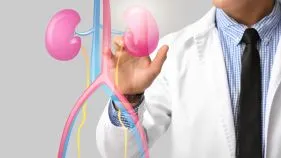
Lower Back Pain Left Side Kidney: Causes, Symptoms, Diagnosis, and Treatment
Introduction
Lower back pain on the left side near the kidney can have several possible causes. While many cases of lower back pain are related to muscles, joints, nerves, or the spine, problems involving the left kidney or urinary tract can sometimes cause pain in a similar area.
Kidney-related pain is more likely when back or flank discomfort occurs together with symptoms such as fever, chills, painful urination, blood in the urine, nausea, vomiting, or changes in urine output.
Identifying the actual cause is important because treatment for a muscle strain is very different from treatment for a kidney stone, kidney infection, or urinary obstruction.
At Prabhakar Bhurke Clinic, our super specialist nephrologist provides comprehensive kidney evaluations, diagnostic testing, personalized treatment plans, and long-term care for patients experiencing kidney-related symptoms and urinary problems.
Where Is the Left Kidney Located?
The kidneys are located toward the back of the abdomen, on either side of the spine and below the lower ribs.
Pain associated with the left kidney may be felt:
-
On the left side of the back
-
In the left flank
-
Below the left ribs
-
Toward the side of the abdomen
-
Sometimes toward the lower abdomen or groin
The exact location and character of pain can vary depending on its cause.
Can Kidney Problems Cause Lower Back Pain on the Left Side?
Yes, certain kidney and urinary tract conditions can cause pain on the left side of the back.
However, lower back pain alone does not prove that the kidney is the cause.
Kidney-related pain may be more likely when it occurs along with:
-
Fever or chills
-
Blood in the urine
-
Burning during urination
-
Frequent urination
-
Nausea or vomiting
-
Difficulty passing urine
-
Reduced urine output
-
Cloudy or foul-smelling urine
A medical evaluation is needed to identify the underlying condition.
Common Kidney-Related Causes of Left-Sided Back Pain
Left Kidney Stones
Kidney stones can cause sudden and severe pain when a stone moves into the urinary tract.
The pain may:
-
Start in the flank or back
-
Come in waves
-
Spread toward the abdomen or groin
-
Occur with nausea or vomiting
Blood in the urine may also occur.
Kidney Infection
A kidney infection, also known as pyelonephritis, may cause pain in the left flank or back.
Common symptoms include:
-
Fever
-
Chills
-
Flank pain
-
Burning during urination
-
Frequent urination
-
Nausea
-
Vomiting
-
Cloudy or foul-smelling urine
A suspected kidney infection requires prompt medical evaluation and appropriate treatment.
Hydronephrosis
Hydronephrosis occurs when urine cannot drain normally from the kidney and backs up into it.
Possible causes include:
-
Kidney stones
-
Ureteral narrowing
-
Urinary obstruction
-
Certain structural abnormalities
Hydronephrosis may cause flank discomfort and, if severe or untreated, can affect kidney function.
Urinary Tract Obstruction
A blockage in the urinary tract can interfere with normal urine flow and cause pain or pressure.
The underlying cause needs to be identified and treated to protect kidney function.
Polycystic Kidney Disease
People with polycystic kidney disease can develop enlarged kidneys and cyst-related discomfort.
Pain may be persistent or intermittent and may occur along with other kidney-related symptoms.
Other Kidney Conditions
Certain inflammatory or structural kidney disorders can occasionally cause discomfort.
However, many chronic kidney diseases do not cause back pain in their early stages.
Non-Kidney Causes of Left-Sided Lower Back Pain
It is important not to assume that all pain in the kidney area is caused by the kidneys.
Common non-kidney causes include:
Muscle Strain
Lifting heavy objects, exercise, poor posture, or sudden movements can strain the lower back muscles.
Spinal Problems
Conditions affecting the spine or discs can cause localized or radiating back pain.
Nerve Irritation
Nerve compression can cause pain that travels from the lower back into the hip, buttock, or leg.
Joint Problems
Problems involving the spinal joints or pelvis may also produce one-sided lower back discomfort.
Other Abdominal or Pelvic Conditions
Depending on the location and associated symptoms, conditions involving nearby abdominal or pelvic organs can sometimes cause pain in the left back or flank.
A proper examination helps distinguish between these possibilities.
Kidney Pain vs Muscle-Related Back Pain
Although there can be overlap, certain features may provide clues.
Kidney-Related Pain
It may:
-
Feel deep inside the body
-
Occur in the flank or below the ribs
-
Be accompanied by urinary symptoms
-
Occur with fever or chills when infection is present
-
Occur with nausea or vomiting
-
Sometimes radiate toward the groin
Muscle or Spinal Pain
It may:
-
Become worse with certain movements
-
Improve with rest
-
Be tender when touched
-
Follow physical activity or an injury
-
Change with posture
These differences are not sufficient for self-diagnosis. Persistent or severe pain should be evaluated by a healthcare professional.
Symptoms That May Accompany Kidney Problems
If the left-sided back pain is kidney-related, other symptoms may include:
-
Blood in the urine
-
Foamy urine
-
Burning while urinating
-
Frequent urination
-
Reduced urine output
-
Cloudy urine
-
Strong-smelling urine
-
Fever
-
Chills
-
Nausea
-
Vomiting
-
Swelling of the feet or face
-
High blood pressure
The combination of symptoms can help the doctor determine what investigations are needed.
When Is Left-Sided Kidney Pain an Emergency?
Seek urgent medical attention if left-sided back or flank pain is accompanied by:
-
High fever or chills
-
Severe or rapidly worsening pain
-
Persistent vomiting
-
Difficulty passing urine
-
Very low or no urine output
-
Severe weakness
-
Confusion
-
Significant swelling
-
Known urinary obstruction
A urinary blockage associated with infection can become a serious medical emergency and should not be treated only with home remedies.
How Is Left Kidney Pain Diagnosed?
At Prabhakar Bhurke Clinic, our super specialist nephrologist begins with a detailed medical assessment.
Medical History
The doctor may ask about:
-
Location of the pain
-
Duration and severity
-
Whether the pain comes and goes
-
Urinary symptoms
-
Fever or chills
-
Previous kidney stones
-
Previous urinary infections
-
Existing kidney disease
-
Current medications
-
Diabetes and blood pressure history
Blood Tests
Depending on the symptoms, investigations may include:
-
Serum creatinine
-
eGFR
-
Blood urea nitrogen
-
Electrolytes
-
Complete blood count
-
Blood glucose
These tests help assess kidney function and identify signs of infection or other abnormalities.
Urine Tests
Urine investigations may include:
-
Routine urinalysis
-
Urine microscopy
-
Urine culture
-
Protein or albumin assessment
These tests can help identify blood, infection, protein leakage, and other urinary abnormalities.
Imaging Tests
Depending on the suspected cause, imaging may include:
-
Kidney ultrasound
-
Non-contrast CT scan
-
Other imaging when clinically indicated
Imaging can help identify stones, hydronephrosis, cysts, obstruction, and structural abnormalities.
Treatment for Lower Back Pain on the Left Side
Treatment depends entirely on the underlying cause.
Kidney Stones
Small stones may sometimes pass naturally with appropriate medical management.
Treatment can include:
-
Pain management
-
Medicines to support passage of selected stones
-
Appropriate fluid intake
-
Follow-up imaging
Larger or obstructing stones may require a procedure.
Depending on the stone, treatment options can include:
-
Extracorporeal Shock Wave Lithotripsy (ESWL)
-
Ureteroscopy with laser lithotripsy
-
Percutaneous Nephrolithotomy (PCNL)
A suitable urology specialist may be involved when a stone-removal procedure is required.
Kidney Infection
Kidney infections generally require prompt medical treatment, often including appropriate antibiotics.
The choice of treatment depends on the severity of infection, laboratory findings, kidney function, and other patient-specific factors.
Urinary Obstruction
Treatment focuses on restoring urine flow and addressing the cause of the blockage.
Depending on the underlying problem, coordination with a urology specialist may be required.
Muscle or Spinal Pain
If kidney disease is ruled out and the pain is musculoskeletal, treatment may involve:
-
Rest when appropriate
-
Physical therapy
-
Posture correction
-
Appropriate pain management
-
Treatment of the underlying spinal or muscular condition
Patients with kidney disease should consult their doctor before taking pain medicines because some medications can affect kidney function.
Can You Treat Left Kidney Pain at Home?
Home measures should not replace medical evaluation when kidney disease is suspected.
For mild back pain that has clearly followed muscle strain, conservative measures may sometimes help.
However, kidney-related symptoms such as fever, blood in the urine, urinary obstruction, severe pain, or reduced urine output require medical assessment.
Avoid taking large amounts of painkillers or herbal remedies without professional advice.
How to Protect Your Kidney Health
You can reduce the risk of many kidney problems by:
-
Maintaining healthy blood pressure
-
Managing diabetes
-
Drinking fluids according to your doctor's advice
-
Reducing excessive salt intake
-
Maintaining a healthy body weight
-
Staying physically active
-
Avoiding unnecessary painkiller use
-
Treating urinary infections promptly
-
Attending kidney check-ups when recommended
People with previous kidney stones may require additional dietary and metabolic guidance.
When Should You Consult a Nephrologist?
Consider seeing a super specialist nephrologist if you have:
-
Persistent pain in the left kidney area
-
Recurrent kidney stones
-
Blood in the urine
-
Protein in the urine
-
High creatinine
-
Reduced eGFR
-
Recurrent urinary infections
-
Swelling
-
High blood pressure
-
Diabetes with abnormal kidney tests
Early assessment can help identify kidney problems before complications develop.
Why Choose Prabhakar Bhurke Clinic?
Patients choose Prabhakar Bhurke Clinic for:
-
Consultation with a super specialist nephrologist
-
Comprehensive kidney evaluations
-
Kidney function testing
-
Assessment of urinary and kidney-related symptoms
-
Personalized treatment plans
-
Kidney stone evaluation and prevention guidance
-
Management of chronic kidney disease
-
Dialysis planning when medically required
-
Kidney transplant evaluation and guidance
-
Coordination with appropriate urology specialists when procedures are needed
-
Long-term kidney health monitoring
-
Compassionate, evidence-based patient care
Our focus is on identifying the actual cause of symptoms and providing an appropriate treatment strategy for every patient.
Frequently Asked Questions
Is lower back pain on the left side always caused by the kidney?
No. Muscle strain, spinal problems, nerve irritation, and other conditions can cause similar pain. Kidney problems are more likely when back pain occurs with urinary symptoms, fever, blood in the urine, or changes in urine output.
How do I know if my left-side back pain is from my kidney?
Kidney-related pain is often felt deep in the flank or below the ribs and may occur with urinary symptoms, fever, nausea, or blood in the urine. However, symptoms overlap with other conditions, so medical evaluation is the safest way to determine the cause.
Can a left kidney stone cause lower back pain?
Yes. A stone in the left kidney or urinary tract can cause pain in the left flank or back. The pain may become severe and can radiate toward the abdomen or groin.
Does kidney infection cause left-sided back pain?
Yes. A kidney infection can cause flank or back pain, usually along with symptoms such as fever, chills, urinary discomfort, nausea, or vomiting.
Should I drink more water for kidney pain?
Fluid intake should be appropriate for your individual condition. Excessive water consumption is not a safe treatment for every cause of kidney pain, especially when urinary obstruction or significant kidney disease is present.
Can painkillers be taken for kidney-area pain?
Some pain medicines can affect kidney function, particularly in people who already have kidney disease. Consult a healthcare professional before using painkillers regularly.
Which doctor should I see for kidney-area pain?
A nephrologist evaluates kidney function and kidney diseases. If a stone or urinary obstruction requires a procedure, a urologist may be involved in treatment.
Conclusion
Lower back pain on the left side near the kidney can have many causes, and not every episode is related to the kidneys. Kidney stones, kidney infections, hydronephrosis, and urinary obstruction can produce flank or back pain, while muscle strain and spinal conditions are also common causes.
Pain accompanied by fever, chills, blood in the urine, severe vomiting, difficulty urinating, or reduced urine output requires prompt medical evaluation.
At Prabhakar Bhurke Clinic, our super specialist nephrologist provides comprehensive kidney assessments, diagnostic testing, personalized treatment plans, kidney stone evaluation, chronic kidney disease management, and long-term kidney care. When procedural treatment is required, appropriate urology specialists can be involved as part of coordinated care.
Book an Appointment Today
If you are experiencing lower back pain on the left side, left flank pain, blood in the urine, recurrent kidney stones, urinary symptoms, high creatinine, reduced eGFR, or persistent kidney-area discomfort, schedule a consultation at Prabhakar Bhurke Clinic. Our super specialist nephrologist will evaluate your symptoms, identify the underlying cause, and develop an individualized treatment plan to protect your kidney health.
Medical Disclaimer
This article is intended for general educational purposes only and does not replace professional medical advice, diagnosis, or treatment. Lower back pain can have many causes, and kidney-related symptoms require appropriate clinical evaluation. Do not self-medicate or rely solely on herbal remedies for suspected kidney problems. If you experience severe pain with fever or chills, persistent vomiting, difficulty passing urine, very low urine output, confusion, or rapidly worsening symptoms, seek urgent medical attention.