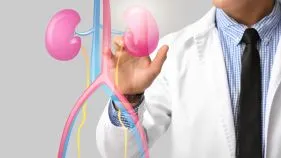
Stone Tablet Medicine: Medicines for Kidney Stones, Treatment Options, and Expert Kidney Care

Stone Tablet Medicine: Medicines for Kidney Stones, Treatment Options, and Expert Kidney Care

Introduction

Kidney stones are one of the most common urinary tract conditions and can cause severe pain, blood in the urine, burning during urination, and urinary blockage. Many people search online for "stone tablet medicine" hoping to find a medicine that can dissolve or remove kidney stones quickly.

However, there is no single tablet that works for every kidney stone. The best medicine depends on the size, location, composition of the stone, kidney function, and overall health of the patient. Some medicines help relieve pain, some assist small stones in passing naturally, while others help prevent future stone formation.

At Prabhakar Bhurke Clinic, our super specialist nephrologist provides comprehensive kidney stone evaluation, advanced diagnostic testing, personalized treatment plans, kidney stone prevention counseling, dialysis guidance, kidney transplant evaluation, and coordinated care with experienced urology specialists whenever advanced stone procedures are required.


What Are Kidney Stones?

Kidney stones are hard deposits of minerals and salts that form inside the kidneys.

Common types include:

  • Calcium stones

  • Uric acid stones

  • Struvite stones

  • Cystine stones

Treatment varies depending on the stone type and size.


Can Tablet Medicine Remove Kidney Stones?

The answer depends on the size and type of the stone.

Small kidney stones may pass naturally with medical management, while larger stones often require minimally invasive procedures.

Tablet medicines may help by:

  • Relieving pain

  • Reducing urinary discomfort

  • Helping small stones pass naturally in selected patients

  • Preventing future stone formation

  • Treating associated urinary tract infections when present

Your nephrologist will determine the most appropriate treatment after evaluation.


Symptoms of Kidney Stones

Patients may experience:

  • Severe pain in the side or lower back

  • Pain radiating to the groin

  • Blood in the urine

  • Burning during urination

  • Frequent urination

  • Difficulty passing urine

  • Nausea

  • Vomiting

  • Fever if infection develops

Persistent or severe symptoms require prompt medical attention.


Medicines Used for Kidney Stones

Treatment is individualized according to the patient's condition.

Pain Relief Medicines

Pain-relieving medicines are commonly prescribed to reduce the severe discomfort caused by kidney stones.

The choice of medicine depends on:

  • Kidney function

  • Medical history

  • Allergies

  • Other existing medical conditions

Patients with chronic kidney disease should never self-medicate without consulting a nephrologist.


Medicines That Help Stones Pass

For selected patients with smaller stones, medications may be prescribed to relax the urinary tract and improve the likelihood of natural stone passage.

These medicines are effective only in appropriate clinical situations.


Antibiotics

If a kidney stone is associated with a urinary tract infection, antibiotics may be necessary to eliminate the infection.

Prompt treatment is essential because infection combined with urinary obstruction can become a medical emergency.


Stone Prevention Medicines

Depending on laboratory results and stone analysis, medicines may be recommended to reduce the risk of future stone formation.

Treatment is personalized for every patient.


When Medicines Alone Are Not Enough

Large kidney stones often require additional treatment.

Extracorporeal Shock Wave Lithotripsy (ESWL)

Shock waves are used to break selected kidney stones into smaller fragments.


Ureteroscopy with Laser Lithotripsy

Laser treatment allows minimally invasive removal or fragmentation of stones inside the urinary tract.


Percutaneous Nephrolithotomy (PCNL)

PCNL is recommended for larger or complex kidney stones that cannot be treated with simpler methods.

Our nephrologist coordinates care with experienced urology specialists whenever advanced procedures are required.


How Are Kidney Stones Diagnosed?

At Prabhakar Bhurke Clinic, our super specialist nephrologist performs a detailed kidney stone evaluation.

Medical History and Physical Examination

The doctor reviews:

  • Symptoms

  • Pain characteristics

  • Medical history

  • Previous kidney stones

  • Current medications


Blood Tests

Important investigations include:

  • Serum Creatinine

  • Estimated Glomerular Filtration Rate (eGFR)

  • Blood Urea Nitrogen (BUN)

  • Calcium

  • Uric Acid

  • Electrolytes

These tests help evaluate kidney function and determine contributing factors.


Urine Tests

Urine investigations may include:

  • Routine urinalysis

  • Urine microscopy

  • Urine culture

  • Stone risk assessment

These tests help detect infection, blood, crystals, and protein.


Imaging Studies

Imaging may include:

  • Kidney Ultrasound

  • Non-contrast CT Scan

  • X-ray when appropriate

These studies determine the size, location, and number of kidney stones.


How to Prevent Future Kidney Stones

Preventive measures include:

  • Drinking adequate fluids unless medically restricted.

  • Reducing salt intake.

  • Maintaining a healthy body weight.

  • Following a balanced kidney-friendly diet.

  • Managing diabetes and blood pressure.

  • Following individualized dietary advice.

  • Attending regular follow-up appointments.

Lifestyle changes play an important role in preventing recurrence.


When Should You Consult a Nephrologist?

Consult a super specialist nephrologist if you experience:

  • Severe kidney stone pain

  • Blood in the urine

  • Recurrent kidney stones

  • High creatinine levels

  • Reduced eGFR

  • Persistent urinary symptoms

  • Difficulty passing urine

  • Fever associated with kidney stones

Early specialist care helps preserve kidney function.


Why Choose Prabhakar Bhurke Clinic?

Patients trust Prabhakar Bhurke Clinic because we provide:

  • Consultation with a super specialist nephrologist

  • Comprehensive kidney stone evaluations

  • Advanced kidney function testing

  • Personalized treatment plans

  • Expertise in kidney stones and chronic kidney disease

  • Kidney stone prevention counseling

  • Dialysis planning and management

  • Kidney transplant evaluation

  • Coordination with experienced urology specialists

  • Compassionate, evidence-based patient care

Our goal is to relieve symptoms, safely manage kidney stones, preserve kidney function, and prevent recurrence.


Frequently Asked Questions (FAQs)

Is there one tablet that can cure all kidney stones?

No. Treatment depends on the stone's size, type, location, and your overall health. A medical evaluation is necessary before choosing the appropriate medicine.

Can medicines dissolve kidney stones?

Some medicines may help certain types of stones or assist small stones in passing naturally, but many stones require other treatments.

Should I take stone tablets without consulting a doctor?

No. Self-medication can delay proper treatment and may not be appropriate for your condition, especially if you have kidney disease or urinary obstruction.

Which doctor should I consult for kidney stones?

A super specialist nephrologist evaluates kidney function, provides medical treatment for kidney stones, and coordinates care with experienced urology specialists when stone removal procedures are needed.


Conclusion

Many people search for stone tablet medicine, but the most effective treatment depends on the type, size, and location of the kidney stone, as well as the patient's kidney function and overall health. Medicines may help relieve pain, support natural stone passage in selected cases, treat infections, or prevent future stones, while larger stones may require minimally invasive procedures. Early diagnosis and personalized treatment are the best ways to achieve complete recovery and protect kidney health.

At Prabhakar Bhurke Clinic, our super specialist nephrologist provides expert diagnosis, comprehensive kidney stone evaluations, personalized treatment plans, kidney stone prevention counseling, dialysis guidance, kidney transplant evaluation, and coordinated care with experienced urology specialists. Through evidence-based treatment and compassionate care, we are committed to helping patients recover safely while maintaining long-term kidney health.


Book an Appointment Today

If you are experiencing kidney stone pain, blood in the urine, burning during urination, recurrent kidney stones, high creatinine levels, reduced eGFR, urinary obstruction, or persistent urinary symptoms, schedule a consultation at Prabhakar Bhurke Clinic. Our super specialist nephrologist will perform a comprehensive evaluation, recommend the most appropriate treatment, and develop a personalized care plan to relieve your symptoms, manage kidney stones safely, and protect your long-term kidney health.

First Signs of Kidney Infection: Early Symptoms, Causes, Diagnosis, and Treatment

First Signs of Kidney Infection: Early Symptoms, Causes, Diagnosis, and Treatment

Introduction

A kidney infection, medically known as pyelonephritis, is a serious bacterial infection that affects one or both kidneys. It usually develops when bacteria from the urinary tract travel upward and infect the kidneys. Without timely treatment, a kidney infection can lead to permanent kidney damage, recurrent infections, or even life-threatening complications.

Recognizing the first signs of a kidney infection is essential because early medical treatment can prevent complications and protect kidney function.

At Prabhakar Bhurke Clinic, our super specialist nephrologist provides comprehensive kidney evaluations, advanced diagnostic testing, personalized treatment plans, dialysis guidance, kidney transplant evaluation, and long-term kidney care for patients with kidney infections and other kidney disorders.


What Is a Kidney Infection?

A kidney infection is a bacterial infection involving the kidneys. It commonly begins as a urinary tract infection (UTI) that spreads from the bladder to the kidneys if left untreated.

Kidney infections require prompt medical attention because they are more serious than infections limited to the bladder.


First Signs of Kidney Infection

The earliest symptoms may appear suddenly and should not be ignored.

Fever

One of the first warning signs is the development of a fever.

Many patients experience:

  • High temperature

  • Feeling unwell

  • Body aches


Chills and Shivering

Bacterial infections often cause chills and shaking, especially when the infection reaches the kidneys.


Pain in the Side or Back

Pain is commonly felt:

  • Below the ribs

  • On one or both sides of the back

  • In the flank region

The pain may be constant and worsen over time.


Burning During Urination

A burning sensation while passing urine often occurs because kidney infections usually develop from an underlying urinary tract infection.


Frequent Urination

Patients may notice:

  • Frequent urge to urinate

  • Passing only small amounts of urine

  • Urgent need to urinate


Cloudy or Bad-Smelling Urine

Changes in urine appearance or odor may indicate infection.


Blood in the Urine

Some patients notice pink, red, or brown-colored urine due to blood.


Nausea and Vomiting

As the infection progresses, nausea and vomiting may develop.


Fatigue

Many people feel unusually tired or weak because of the body's response to infection.


What Causes a Kidney Infection?

Most kidney infections occur when bacteria travel upward from the lower urinary tract.

Common causes include:

  • Untreated urinary tract infections (UTIs)

  • Kidney stones

  • Urinary tract obstruction

  • Enlarged prostate (in men)

  • Diabetes

  • Pregnancy

  • Weakened immune system

  • Vesicoureteral reflux (backward flow of urine)

Early treatment of these conditions helps reduce the risk of kidney infection.


Who Is at Higher Risk?

The risk is higher in people with:

  • Recurrent urinary tract infections

  • Kidney stones

  • Diabetes

  • Pregnancy

  • Urinary tract abnormalities

  • Reduced immunity

  • Previous kidney infections

Regular medical follow-up is recommended for high-risk individuals.


Possible Complications

If left untreated, a kidney infection may lead to:

  • Kidney abscess

  • Permanent kidney damage

  • Sepsis (bloodstream infection)

  • Chronic kidney disease

  • Recurrent kidney infections

Prompt treatment greatly reduces these risks.


How Is a Kidney Infection Diagnosed?

At Prabhakar Bhurke Clinic, our super specialist nephrologist performs a comprehensive evaluation.

Medical History and Physical Examination

The doctor reviews:

  • Symptoms

  • Fever

  • Pain location

  • Urinary complaints

  • Medical history

  • Current medications


Blood Tests

Important investigations include:

  • Serum Creatinine

  • Estimated Glomerular Filtration Rate (eGFR)

  • Blood Urea Nitrogen (BUN)

  • Complete Blood Count (CBC)

  • Electrolytes

These tests help evaluate kidney function and detect infection.


Urine Tests

Urine investigations may include:

  • Routine urinalysis

  • Urine microscopy

  • Urine culture

  • Protein testing

Urine culture identifies the bacteria responsible and helps guide antibiotic treatment.


Imaging Studies

Depending on your condition, investigations may include:

  • Kidney Ultrasound

  • CT Scan

  • MRI when clinically indicated

Imaging helps detect kidney stones, obstruction, abscesses, or structural abnormalities.


Treatment for Kidney Infection

Treatment depends on the severity of the infection.

Antibiotics

Appropriate antibiotics are the primary treatment for bacterial kidney infections.

The choice of antibiotic depends on:

  • Urine culture results

  • Severity of infection

  • Kidney function

  • Individual medical history

Treatment should always be completed exactly as prescribed.


Pain and Fever Management

Your nephrologist may recommend medicines to reduce pain and fever while monitoring kidney function.


Treatment of Underlying Conditions

If kidney stones or urinary obstruction are contributing to the infection, additional treatment may be necessary to restore normal urine flow.


Hospital Care

Patients with severe infections, dehydration, vomiting, or sepsis may require hospitalization and intravenous antibiotics.


How to Prevent Kidney Infections

Protect your kidneys by:

  • Drinking adequate fluids unless medically restricted.

  • Treating urinary tract infections promptly.

  • Maintaining good personal hygiene.

  • Controlling diabetes.

  • Emptying the bladder regularly.

  • Following medical advice for kidney stones or urinary obstruction.

  • Attending regular kidney health check-ups.

Preventive care plays an important role in reducing future infections.


When Should You Consult a Nephrologist?

Consult a super specialist nephrologist immediately if you have:

  • Fever with flank pain

  • Burning during urination

  • Blood in the urine

  • Frequent urinary tract infections

  • Kidney stones

  • High creatinine levels

  • Reduced eGFR

  • Persistent urinary symptoms

Early specialist care helps prevent kidney damage.


Why Choose Prabhakar Bhurke Clinic?

Patients trust Prabhakar Bhurke Clinic because we provide:

  • Consultation with a super specialist nephrologist

  • Comprehensive kidney infection evaluations

  • Advanced kidney function testing

  • Personalized treatment plans

  • Expertise in urinary tract infections and kidney diseases

  • Kidney stone management

  • Dialysis planning and management

  • Kidney transplant evaluation

  • Compassionate, evidence-based patient care

Our goal is to diagnose kidney infections early, eliminate the infection, preserve kidney function, and prevent recurrence.


Frequently Asked Questions (FAQs)

What is usually the first sign of a kidney infection?

The earliest signs often include fever, flank pain, burning during urination, and frequent urination.

Can a urinary tract infection become a kidney infection?

Yes. If a UTI is not treated promptly, bacteria can spread to the kidneys and cause a kidney infection.

Is a kidney infection an emergency?

It can become serious if untreated, particularly if it causes high fever, severe pain, vomiting, or signs of sepsis. Prompt medical evaluation is essential.

Which doctor should I consult?

A super specialist nephrologist specializes in diagnosing kidney infections, evaluating kidney function, treating associated kidney problems, and preventing complications.


Conclusion

Recognizing the first signs of a kidney infection—such as fever, chills, flank pain, burning during urination, frequent urination, and cloudy or bloody urine—is essential for early diagnosis and treatment. Prompt medical care can prevent serious complications, preserve kidney function, and support a faster recovery.

At Prabhakar Bhurke Clinic, our super specialist nephrologist provides expert diagnosis, comprehensive kidney evaluations, personalized treatment plans, dialysis guidance, kidney transplant evaluation, and long-term kidney care. Through evidence-based treatment and compassionate care, we are committed to helping patients recover safely while protecting their kidney health.


Book an Appointment Today

If you are experiencing fever, chills, flank pain, burning during urination, blood in the urine, recurrent urinary tract infections, kidney stones, high creatinine levels, reduced eGFR, or other symptoms of a kidney infection, schedule a consultation at Prabhakar Bhurke Clinic. Our super specialist nephrologist will perform a comprehensive evaluation, identify the underlying cause, and develop a personalized treatment plan to relieve your symptoms and protect your long-term kidney health.

First Signs of Kidney Infection: Early Symptoms, Causes, Diagnosis, and Treatment

Best Medicine for Stone Pain: Treatment Options, Pain Relief, and Expert Kidney Stone Care

Introduction

Kidney stone pain, also known as renal colic, is often described as one of the most severe types of pain a person can experience. It usually begins suddenly when a kidney stone blocks the flow of urine or moves through the urinary tract. Many people search for the "best medicine for stone pain" hoping for immediate relief.

While pain-relieving medications play an important role, the best treatment depends on the size, location, and cause of the kidney stone. Simply reducing the pain without treating the stone may allow the condition to worsen. Some stones pass naturally, while larger stones may require minimally invasive procedures.

At Prabhakar Bhurke Clinic, our super specialist nephrologist provides comprehensive kidney stone evaluation, advanced diagnostic testing, personalized treatment plans, kidney stone prevention counseling, dialysis guidance, kidney transplant evaluation, and coordinated care with experienced urology specialists when advanced stone treatment is required.


Why Do Kidney Stones Cause Severe Pain?

Kidney stone pain occurs when:

  • A stone blocks the ureter

  • Urine cannot drain normally

  • Pressure builds up inside the kidney

  • The ureter contracts forcefully while trying to move the stone

The severity of pain does not always indicate the size of the stone.


Symptoms of Kidney Stone Pain

Common symptoms include:

  • Sudden severe pain in the back or side

  • Pain spreading to the lower abdomen or groin

  • Blood in the urine

  • Burning during urination

  • Frequent urination

  • Difficulty passing urine

  • Nausea

  • Vomiting

  • Fever if infection develops

Immediate medical attention is required if fever or urinary obstruction occurs.


What Is the Best Medicine for Stone Pain?

The most appropriate medicine depends on:

  • Stone size

  • Stone location

  • Severity of pain

  • Presence of infection

  • Kidney function

  • Overall medical condition

Your nephrologist may recommend medicines to:

Pain Relief

Pain-relieving medications are commonly prescribed to reduce the severe discomfort caused by kidney stones.

The choice of medicine depends on your kidney function, medical history, allergies, and other health conditions.

Patients with chronic kidney disease should avoid taking pain medicines without medical advice, as some medications may further affect kidney function.


Medicines That Help Small Stones Pass

For selected patients with small stones, your doctor may prescribe medications that help relax the urinary tract and improve the chances of natural stone passage.

These medicines should only be taken under medical supervision.


Treatment of Infection

If a kidney stone is associated with a urinary tract infection, appropriate antibiotics may be required.

Prompt treatment is essential because infection with urinary obstruction can become a medical emergency.


Medicines to Prevent Future Stones

Depending on the type of kidney stone, your nephrologist may recommend medicines that reduce the risk of recurrence.

Prevention is individualized based on laboratory tests and stone analysis.


Home Measures That May Help

Along with prescribed treatment, some patients may benefit from:

  • Drinking adequate fluids unless medically restricted.

  • Resting during painful episodes.

  • Applying a warm compress to the painful area.

  • Following dietary recommendations provided by the nephrologist.

Home remedies should never replace medical treatment when pain is severe.


When Is Surgery Needed?

If medicines alone cannot control symptoms or the stone is too large to pass naturally, further treatment may be required.

Extracorporeal Shock Wave Lithotripsy (ESWL)

Shock waves are used to break selected stones into smaller fragments.


Ureteroscopy with Laser Lithotripsy

A minimally invasive procedure that uses a laser to break the stone into small pieces.


Percutaneous Nephrolithotomy (PCNL)

PCNL is recommended for larger or complex kidney stones.

Our nephrologist coordinates care with experienced urology specialists whenever procedural treatment is required.


How Are Kidney Stones Diagnosed?

At Prabhakar Bhurke Clinic, our super specialist nephrologist performs a complete kidney stone evaluation.

Medical History and Physical Examination

The doctor reviews:

  • Pain characteristics

  • Urinary symptoms

  • Previous kidney stones

  • Medical history

  • Current medications


Blood Tests

Important investigations include:

  • Serum Creatinine

  • Estimated Glomerular Filtration Rate (eGFR)

  • Blood Urea Nitrogen (BUN)

  • Electrolytes

  • Calcium

  • Uric Acid

These tests assess kidney function and possible causes of stone formation.


Urine Tests

Urine investigations may include:

  • Routine urinalysis

  • Urine microscopy

  • Urine culture

  • Stone risk evaluation


Imaging Studies

Imaging may include:

  • Kidney Ultrasound

  • Non-contrast CT Scan

  • X-ray when appropriate

These studies determine the stone's size, location, and number.


How to Prevent Future Kidney Stones

You can reduce the risk of recurrence by:

  • Drinking adequate fluids unless medically restricted.

  • Limiting excess salt intake.

  • Maintaining a healthy body weight.

  • Eating a balanced diet.

  • Managing diabetes and high blood pressure.

  • Following individualized dietary recommendations.

  • Attending regular follow-up appointments.

Prevention is an important part of long-term kidney care.


When Should You Consult a Nephrologist?

Consult a super specialist nephrologist if you have:

  • Severe kidney stone pain

  • Blood in the urine

  • Recurrent kidney stones

  • High creatinine levels

  • Reduced eGFR

  • Persistent urinary symptoms

  • Fever with kidney stone pain

  • Difficulty passing urine

Early specialist care helps protect kidney function.


Why Choose Prabhakar Bhurke Clinic?

Patients trust Prabhakar Bhurke Clinic because we provide:

  • Consultation with a super specialist nephrologist

  • Comprehensive kidney stone evaluations

  • Advanced kidney function testing

  • Personalized treatment plans

  • Expertise in kidney stones and chronic kidney disease

  • Kidney stone prevention counseling

  • Dialysis planning and management

  • Kidney transplant evaluation

  • Coordination with experienced urology specialists

  • Compassionate, evidence-based patient care

Our goal is to relieve pain quickly, safely manage kidney stones, preserve kidney function, and prevent future stone formation.


Frequently Asked Questions (FAQs)

What is the best medicine for kidney stone pain?

The best medicine depends on the size of the stone, kidney function, and your overall health. A doctor will prescribe the most appropriate pain-relieving and supportive treatment after evaluation.

Can pain medicines remove a kidney stone?

No. Pain medicines help relieve symptoms but do not dissolve or remove most kidney stones.

Can I take pain medicine without consulting a doctor?

It is not recommended, especially if you have kidney disease. Some pain medicines may affect kidney function or be unsuitable for certain patients.

Which doctor should I consult?

A super specialist nephrologist diagnoses kidney stones, evaluates kidney function, provides medical treatment, and coordinates care with urology specialists if stone removal procedures are required.


Conclusion

People searching for the best medicine for stone pain should understand that while medications are important for controlling discomfort, successful treatment requires identifying and treating the underlying kidney stone. Depending on the stone's size and location, treatment may involve medications, minimally invasive procedures, or preventive therapy. Early medical evaluation helps relieve pain, prevent complications, and protect long-term kidney health.

At Prabhakar Bhurke Clinic, our super specialist nephrologist provides expert diagnosis, comprehensive kidney stone evaluations, personalized treatment plans, kidney stone prevention counseling, dialysis guidance, kidney transplant evaluation, and coordinated care with experienced urology specialists. Through evidence-based treatment and compassionate care, we are committed to helping patients achieve lasting relief and better kidney health.


Book an Appointment Today

If you are experiencing severe kidney stone pain, blood in the urine, recurrent kidney stones, high creatinine levels, reduced eGFR, urinary obstruction, or persistent urinary symptoms, schedule a consultation at Prabhakar Bhurke Clinic. Our super specialist nephrologist will perform a comprehensive evaluation, recommend the most appropriate treatment, and develop a personalized plan to relieve your pain, safely manage the kidney stone, and protect your long-term kidney health.

Burning Kidney Pain: Causes, Symptoms, Diagnosis, and Treatment

Burning Kidney Pain: Causes, Symptoms, Diagnosis, and Treatment

Introduction

A burning sensation in the kidney area or burning kidney pain can be alarming. While many people associate a burning feeling with urinary tract infections, pain around the kidneys may also indicate kidney stones, kidney infections, urinary tract obstruction, or other kidney disorders. In some cases, the discomfort may not originate from the kidneys at all but from nearby muscles, nerves, or the spine.

Because kidney-related pain may be associated with serious medical conditions, persistent burning pain in the flank or lower back should always be evaluated by a healthcare professional. Early diagnosis can help prevent complications and preserve kidney function.

At Prabhakar Bhurke Clinic, our super specialist nephrologist provides comprehensive kidney evaluations, advanced diagnostic testing, personalized treatment plans, dialysis guidance, kidney transplant evaluation, and long-term kidney care for patients with kidney pain and other kidney disorders.


What Is Burning Kidney Pain?

Burning kidney pain refers to a burning, aching, or sharp discomfort felt in the area where the kidneys are located.

The kidneys are situated:

  • On either side of the spine

  • Below the rib cage

  • In the upper part of the lower back

The pain may occur on one side or both sides and can sometimes radiate to the abdomen or groin depending on the underlying cause.


Common Causes of Burning Kidney Pain

Several medical conditions may cause burning pain near the kidneys.

Kidney Infection (Pyelonephritis)

A kidney infection is one of the most common causes of burning kidney pain.

Symptoms may include:

  • Fever

  • Chills

  • Burning pain in the flank

  • Burning while urinating

  • Frequent urination

  • Cloudy or foul-smelling urine

Prompt antibiotic treatment is essential.


Kidney Stones

Kidney stones can produce severe burning or sharp pain when they move through the urinary tract.

Symptoms include:

  • Sudden severe flank pain

  • Pain radiating to the groin

  • Blood in the urine

  • Nausea

  • Vomiting

  • Difficulty passing urine


Urinary Tract Infection (UTI)

A urinary tract infection may spread to the kidneys if left untreated.

Common symptoms include:

  • Burning during urination

  • Frequent urination

  • Urgent need to urinate

  • Lower abdominal discomfort

  • Fever if the kidneys become infected


Urinary Tract Obstruction

Blockage caused by stones or other conditions may lead to kidney swelling and burning pain.


Hydronephrosis

Hydronephrosis occurs when urine backs up into the kidneys because of obstruction, causing swelling and discomfort.


Kidney Cysts

Large kidney cysts may produce persistent discomfort or burning sensations in the flank.


Symptoms That May Accompany Burning Kidney Pain

Depending on the underlying cause, patients may experience:

  • Pain in the side or lower back

  • Burning during urination

  • Blood in the urine

  • Frequent urination

  • Fever and chills

  • Nausea

  • Vomiting

  • Reduced urine output

  • Swelling of the feet or face

  • High blood pressure

These symptoms should be evaluated promptly.


When Is Burning Kidney Pain an Emergency?

Seek immediate medical attention if burning kidney pain is associated with:

  • High fever

  • Chills

  • Severe or worsening pain

  • Persistent vomiting

  • Blood in the urine

  • Difficulty passing urine

  • Reduced urine output

  • Confusion or severe weakness

These symptoms may indicate a serious kidney infection or urinary obstruction requiring urgent treatment.


How Is Burning Kidney Pain Diagnosed?

At Prabhakar Bhurke Clinic, our super specialist nephrologist performs a comprehensive kidney evaluation.

Medical History and Physical Examination

The doctor reviews:

  • Pain location

  • Duration of symptoms

  • Urinary complaints

  • Medical history

  • Current medications

  • Previous kidney problems


Blood Tests

Important investigations include:

  • Serum Creatinine

  • Estimated Glomerular Filtration Rate (eGFR)

  • Blood Urea Nitrogen (BUN)

  • Electrolytes

  • Complete Blood Count (CBC)

These tests help evaluate kidney function and identify infection.


Urine Tests

Urine investigations may include:

  • Routine urinalysis

  • Urine culture

  • Urine microscopy

  • Protein estimation

These tests help detect infection, blood, and kidney damage.


Imaging Studies

Depending on your symptoms, imaging may include:

  • Kidney Ultrasound

  • Non-contrast CT Scan

  • MRI when clinically indicated

These studies help identify kidney stones, obstruction, cysts, hydronephrosis, or other structural abnormalities.


Treatment for Burning Kidney Pain

Treatment depends on the underlying cause.

Medications

Your nephrologist may prescribe medicines to:

  • Relieve pain

  • Treat kidney infections

  • Control blood pressure

  • Manage kidney disease

  • Correct electrolyte imbalances

Treatment is individualized.


Kidney Stone Treatment

Patients with kidney stones may require:

  • Medications

  • Extracorporeal Shock Wave Lithotripsy (ESWL)

  • Ureteroscopy with Laser Lithotripsy

  • Percutaneous Nephrolithotomy (PCNL)

Our nephrologist coordinates care with experienced urology specialists whenever procedures are needed.


Treatment of Kidney Infection

Kidney infections require prompt antibiotic treatment and close medical follow-up to prevent permanent kidney damage.


Dialysis

Dialysis is rarely needed for kidney pain itself but may become necessary if advanced kidney failure develops.


How to Protect Your Kidneys

Support healthy kidneys by:

  • Drinking adequate fluids unless medically restricted.

  • Managing diabetes and blood pressure.

  • Treating urinary tract infections promptly.

  • Avoiding smoking.

  • Limiting unnecessary use of pain-relieving medicines (NSAIDs).

  • Eating a balanced kidney-friendly diet.

  • Attending regular kidney health check-ups.

Healthy habits help reduce the risk of kidney disease.


When Should You Consult a Nephrologist?

Consult a super specialist nephrologist if you experience:

  • Persistent burning kidney pain

  • Blood in the urine

  • Kidney stones

  • Frequent urinary tract infections

  • High creatinine levels

  • Reduced eGFR

  • Swelling

  • High blood pressure

  • Diabetes affecting kidney function

Early specialist care helps preserve kidney health.


Why Choose Prabhakar Bhurke Clinic?

Patients trust Prabhakar Bhurke Clinic because we provide:

  • Consultation with a super specialist nephrologist

  • Comprehensive kidney evaluations

  • Advanced kidney function testing

  • Personalized treatment plans

  • Expertise in kidney stones, kidney infections, and chronic kidney disease

  • Dialysis planning and management

  • Kidney transplant evaluation

  • Coordination with experienced urology specialists when required

  • Compassionate, evidence-based patient care

Our goal is to identify the cause of kidney pain early, relieve symptoms, preserve kidney function, and improve long-term health outcomes.


Frequently Asked Questions (FAQs)

Can burning kidney pain indicate a kidney infection?

Yes. Burning pain associated with fever, chills, or urinary symptoms may indicate a kidney infection and requires prompt medical evaluation.

Can kidney stones cause a burning sensation?

Yes. As a kidney stone moves through the urinary tract, it may cause burning pain, especially during urination or when passing through the ureter.

Is burning kidney pain always caused by kidney disease?

No. Muscle strain, spinal problems, and nerve-related conditions may also cause pain in the kidney area. A proper medical evaluation is necessary.

Which doctor should I consult?

A super specialist nephrologist specializes in diagnosing kidney diseases, evaluating kidney function, treating kidney pain, and coordinating care with urology specialists when necessary.


Conclusion

Burning kidney pain should never be ignored, particularly when accompanied by fever, urinary symptoms, blood in the urine, or severe flank pain. Early diagnosis helps identify conditions such as kidney infections, kidney stones, urinary obstruction, or hydronephrosis before they lead to permanent kidney damage. Timely treatment can relieve symptoms, preserve kidney function, and prevent complications.

At Prabhakar Bhurke Clinic, our super specialist nephrologist provides expert diagnosis, comprehensive kidney evaluations, personalized treatment plans, dialysis guidance, kidney transplant evaluation, and long-term kidney care. Through evidence-based treatment and compassionate care, we are committed to helping patients achieve better kidney health and improved quality of life.


Book an Appointment Today

If you are experiencing burning kidney pain, severe flank pain, blood in the urine, burning during urination, recurrent urinary tract infections, kidney stones, high creatinine levels, reduced eGFR, or persistent urinary symptoms, schedule a consultation at Prabhakar Bhurke Clinic. Our super specialist nephrologist will perform a comprehensive evaluation, identify the underlying cause, and develop a personalized treatment plan to relieve your symptoms and protect your long-term kidney health.

Kidney Pain Right Side Back: Causes, Symptoms, Diagnosis, and Treatment

Kidney Pain Right Side Back: Causes, Symptoms, Diagnosis, and Treatment

Introduction

Pain on the right side of the back, especially below the ribs, may sometimes be related to the right kidney. While muscle strain, spinal problems, or other conditions can also cause pain in this area, kidney-related pain should never be ignored, particularly if it is associated with urinary symptoms, fever, or blood in the urine.

Right kidney pain may occur due to kidney stones, kidney infections, urinary obstruction, cysts, or other kidney diseases. Identifying the underlying cause early is essential to prevent complications and preserve kidney function.

At Prabhakar Bhurke Clinic, our super specialist nephrologist provides comprehensive kidney evaluations, advanced diagnostic testing, personalized treatment plans, dialysis guidance, kidney transplant evaluation, and long-term kidney care for patients with kidney-related pain and kidney disorders.


Where Is Right Kidney Pain Felt?

The right kidney is located just below the rib cage on the right side of the back.

Kidney pain is commonly felt:

  • Below the right ribs

  • On the right side of the back

  • In the right flank (side of the body)

  • Occasionally radiating toward the lower abdomen or groin

Unlike muscle pain, kidney pain is usually deeper and often does not improve with changes in posture.


Common Causes of Right Kidney Pain

Several kidney conditions may cause pain on the right side of the back.

Kidney Stones

Kidney stones are one of the most common causes of severe right-sided kidney pain.

Symptoms may include:

  • Sudden severe pain

  • Pain radiating to the groin

  • Blood in the urine

  • Nausea and vomiting

  • Difficulty urinating


Kidney Infection (Pyelonephritis)

A bacterial kidney infection may cause:

  • Fever

  • Chills

  • Right-sided flank pain

  • Burning during urination

  • Frequent urination

  • Cloudy or foul-smelling urine

Prompt treatment is essential to prevent permanent kidney damage.


Urinary Tract Obstruction

A blockage in the urinary tract may prevent urine from draining properly, leading to kidney swelling and pain.

Common causes include:

  • Kidney stones

  • Narrowing of the ureter

  • Enlarged prostate (in men)

  • Tumors affecting urine flow


Hydronephrosis

Hydronephrosis occurs when urine backs up into the kidney because of obstruction, causing kidney swelling and discomfort.


Kidney Cysts

Large kidney cysts may produce:

  • Persistent flank pain

  • Fullness

  • High blood pressure

  • Blood in the urine


Chronic Kidney Disease (CKD)

Most people with CKD do not have pain in the early stages, but the conditions causing CKD may occasionally produce flank discomfort.


Kidney Pain vs Muscle Back Pain

It is important to distinguish kidney pain from muscle pain.

Kidney Pain

  • Deep, aching pain

  • Located below the ribs

  • May occur with urinary symptoms

  • Often accompanied by nausea or fever

  • Usually does not change with movement

Muscle Pain

  • Worsens with movement

  • Improves with rest

  • Tender to touch

  • Often follows physical activity or injury

  • Usually not associated with urinary symptoms

A medical evaluation is the best way to determine the exact cause.


Symptoms That Need Immediate Medical Attention

Seek prompt medical care if right-sided kidney pain occurs with:

  • Fever or chills

  • Blood in the urine

  • Severe or persistent pain

  • Difficulty passing urine

  • Reduced urine output

  • Persistent vomiting

  • Swelling of the legs or face

  • High blood pressure

These symptoms may indicate a serious kidney condition requiring urgent treatment.


How Is Right Kidney Pain Diagnosed?

At Prabhakar Bhurke Clinic, our super specialist nephrologist performs a complete kidney evaluation.

Medical History and Physical Examination

The doctor reviews:

  • Pain location

  • Duration of symptoms

  • Urinary complaints

  • Medical history

  • Previous kidney stones

  • Current medications


Blood Tests

Important investigations include:

  • Serum Creatinine

  • Estimated Glomerular Filtration Rate (eGFR)

  • Blood Urea Nitrogen (BUN)

  • Electrolytes

  • Complete Blood Count (CBC)

These tests evaluate kidney function and detect infection.


Urine Tests

Urine investigations may include:

  • Routine urinalysis

  • Urine culture

  • Urine microscopy

  • Protein testing

These tests help identify infection, blood, and kidney damage.


Imaging Studies

Imaging may include:

  • Kidney Ultrasound

  • Non-contrast CT Scan

  • MRI when clinically indicated

These studies help identify kidney stones, obstruction, cysts, or structural abnormalities.


Treatment for Right Kidney Pain

Treatment depends on the underlying cause.

Medications

Your nephrologist may prescribe medicines to:

  • Relieve pain

  • Treat kidney infections

  • Control blood pressure

  • Manage kidney disease

  • Correct electrolyte imbalance

Treatment is individualized.


Kidney Stone Treatment

Patients with kidney stones may require:

  • Medications for small stones

  • Extracorporeal Shock Wave Lithotripsy (ESWL)

  • Ureteroscopy with Laser Lithotripsy

  • Percutaneous Nephrolithotomy (PCNL)

Our nephrologist coordinates care with experienced urology specialists when procedural treatment is required.


Treatment of Urinary Obstruction

Relieving urinary blockage helps restore normal urine flow and protects kidney function.


Dialysis

Dialysis is rarely required for kidney pain alone but may become necessary if advanced kidney failure develops.


How to Protect Your Kidneys

Support kidney health by:

  • Drinking adequate fluids unless medically restricted.

  • Managing diabetes and blood pressure.

  • Eating a balanced kidney-friendly diet.

  • Avoiding smoking.

  • Limiting unnecessary painkiller use.

  • Treating urinary tract infections promptly.

  • Attending regular kidney health check-ups.

Healthy habits help reduce the risk of kidney disease.


When Should You Consult a Nephrologist?

Consult a super specialist nephrologist if you have:

  • Persistent right-sided kidney pain

  • Blood in the urine

  • Kidney stones

  • Frequent urinary tract infections

  • High creatinine levels

  • Reduced eGFR

  • Swelling

  • High blood pressure

  • Diabetes affecting kidney function

Early specialist care helps preserve kidney health.


Why Choose Prabhakar Bhurke Clinic?

Patients trust Prabhakar Bhurke Clinic because we provide:

  • Consultation with a super specialist nephrologist

  • Comprehensive kidney evaluations

  • Advanced kidney function testing

  • Personalized treatment plans

  • Expertise in kidney stones, kidney infections, and chronic kidney disease

  • Dialysis planning and management

  • Kidney transplant evaluation

  • Coordination with experienced urology specialists

  • Compassionate, evidence-based patient care

Our goal is to identify the cause of kidney pain early, relieve symptoms, preserve kidney function, and prevent long-term complications.


Frequently Asked Questions (FAQs)

Is pain on the right side of the back always related to the kidney?

No. Muscle strain, spinal conditions, and other abdominal organs can also cause right-sided back pain. A medical evaluation is necessary to determine the exact cause.

Can kidney stones cause right kidney pain?

Yes. Kidney stones commonly cause severe pain on the affected side, which may radiate toward the groin.

How can I tell if my pain is from the kidney?

Kidney pain is usually deep, occurs below the ribs, and may be accompanied by urinary symptoms, nausea, fever, or blood in the urine.

Which doctor should I consult?

A super specialist nephrologist specializes in diagnosing kidney diseases, evaluating kidney function, treating kidney pain, and coordinating care with urology specialists when needed.


Conclusion

Kidney pain on the right side of the back should not be ignored, particularly if it is accompanied by urinary symptoms, fever, nausea, or blood in the urine. Early diagnosis helps identify conditions such as kidney stones, kidney infections, urinary obstruction, or hydronephrosis before they cause permanent kidney damage. Prompt medical care allows effective treatment and protects long-term kidney function.

At Prabhakar Bhurke Clinic, our super specialist nephrologist provides expert diagnosis, comprehensive kidney evaluations, personalized treatment plans, dialysis guidance, kidney transplant evaluation, and long-term kidney care. Through advanced medical expertise and compassionate care, we are committed to helping patients achieve better kidney health and improved quality of life.


Book an Appointment Today

If you are experiencing right-sided kidney pain, severe flank pain, blood in the urine, recurrent kidney stones, urinary tract infections, high creatinine levels, reduced eGFR, or persistent urinary symptoms, schedule a consultation at Prabhakar Bhurke Clinic. Our super specialist nephrologist will perform a comprehensive evaluation, identify the underlying cause, and create a personalized treatment plan to relieve your symptoms and protect your long-term kidney health.