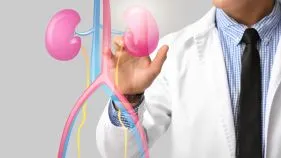
Horseshoe Kidney Treatment: Expert Care at Prabhakar Bhurke Clinic

Horseshoe Kidney Treatment: Expert Care at Prabhakar Bhurke Clinic

Introduction

A horseshoe kidney is a congenital condition in which the two kidneys are fused together at the lower end, forming a U-shaped structure. Many people with this condition live normal lives without symptoms, while others may develop complications that require medical attention. At Prabhakar Bhurke Clinic, patients receive accurate diagnosis and personalized horseshoe kidney treatment under the care of a super specialist nephrologist.


What Is a Horseshoe Kidney?

Horseshoe kidney occurs before birth and affects kidney position and drainage. Although kidney function is often normal, the abnormal shape can increase the risk of:

  • Urinary tract infections (UTIs)

  • Kidney stones

  • Hydronephrosis (kidney swelling)

  • Vesicoureteral reflux

  • High blood pressure

Early evaluation helps prevent long-term complications.


Symptoms of Horseshoe Kidney

Many individuals have no symptoms. When present, symptoms may include:

  • Recurrent urinary infections

  • Abdominal or lower back pain

  • Blood in urine

  • Difficulty in urine flow

  • Kidney stone pain

Any persistent symptoms should be evaluated by a kidney specialist.


Diagnosis of Horseshoe Kidney

At Prabhakar Bhurke Clinic, diagnosis is done using:

  • Ultrasound

  • CT scan or MRI

  • Blood and urine tests to assess kidney function

A super specialist doctor determines whether treatment is required based on symptoms and complications.


Horseshoe Kidney Treatment Options

1. No Treatment (Observation Only)

If kidney function is normal and there are no symptoms, regular monitoring may be sufficient.


2. Treatment of Infections

Recurrent UTIs are managed with:

  • Targeted antibiotics

  • Preventive strategies

  • Lifestyle and hygiene guidance


3. Kidney Stone Management

Patients with horseshoe kidney are more prone to stones. Treatment options include:

  • Medications

  • ESWL (shock wave lithotripsy)

  • Ureteroscopy or laser stone removal

Treatment is carefully selected based on kidney anatomy.


4. Management of Urine Flow Problems

Conditions like hydronephrosis or reflux may require:

  • Medications

  • Stenting

  • Surgical correction in select cases


Can Horseshoe Kidney Cause Kidney Failure?

Most people with horseshoe kidney do not develop kidney failure. However, untreated infections, stones, or obstruction can damage kidneys over time. Regular follow-ups with a nephrologist significantly reduce risks.


Living with Horseshoe Kidney

Patients are advised to:

  • Stay well hydrated

  • Avoid delaying treatment for UTIs

  • Undergo periodic kidney function tests

  • Follow specialist-recommended lifestyle changes


Why Choose Prabhakar Bhurke Clinic?

  • Care by an experienced super specialist nephrologist

  • Advanced imaging and diagnostic facilities

  • Expertise in managing congenital kidney conditions

  • Personalized treatment plans

  • Long-term monitoring and preventive care


Conclusion

Horseshoe kidney is a manageable condition when diagnosed early and monitored regularly. With expert guidance and timely treatment, most individuals can lead healthy lives. At Prabhakar Bhurke Clinic, patients receive comprehensive horseshoe kidney treatment under the care of a super specialist doctor, ensuring optimal kidney health and peace of mind.

Horseshoe Kidney Treatment: Expert Care at Prabhakar Bhurke Clinic

Alternative Treatment for Kidney Dialysis: Expert Guidance at Prabhakar Bhurke Clinic

Introduction

Kidney dialysis is a life-saving treatment for advanced kidney failure, but many patients and families explore alternatives to reduce dependence on dialysis or delay its initiation. It is important to understand that true alternatives depend on the stage of kidney disease and medical evaluation. At Prabhakar Bhurke Clinic, a super specialist nephrologist provides safe, evidence-based guidance tailored to each patient’s condition.


Is There an Alternative to Kidney Dialysis?

Dialysis becomes necessary when kidney function drops significantly and toxins can no longer be removed naturally. However, in early and moderate stages of kidney disease, certain treatments may help:

  • Slow disease progression

  • Manage symptoms

  • Delay the need for dialysis

These approaches are not replacements for dialysis in end-stage kidney failure but can be effective when used at the right time.


Medical Alternatives and Supportive Treatments

1. Conservative Kidney Management (CKM)

For selected patients, especially elderly or those with multiple medical conditions, conservative management focuses on:

  • Symptom control

  • Medication optimization

  • Quality of life improvement

  • Nutritional support

This approach is guided strictly by a nephrology specialist.


2. Optimized Medical Therapy

Supervised treatment may include:

  • Blood pressure control

  • Diabetes management

  • Correction of anemia and electrolyte imbalance

  • Medications to protect remaining kidney function

Proper medical therapy can delay dialysis in many patients.


3. Kidney-Friendly Diet and Nutrition

A personalized renal diet helps reduce kidney workload:

  • Low salt intake

  • Controlled protein consumption

  • Potassium and phosphorus regulation

  • Fluid management

Diet planning is done under specialist supervision to avoid complications.


4. Lifestyle Modifications

Healthy habits play an important role:

  • Regular physical activity

  • Avoiding smoking and alcohol

  • Maintaining healthy weight

  • Managing stress

These changes support overall kidney health.


Kidney Transplant: The Definitive Alternative

For eligible patients, kidney transplantation is the most effective alternative to long-term dialysis. It can:

  • Restore near-normal kidney function

  • Improve quality of life

  • Increase life expectancy

At Prabhakar Bhurke Clinic, patients receive expert evaluation and guidance regarding transplant options.


Role of Complementary Therapies

Some patients explore yoga, meditation, or herbal supplements. These may help with:

  • Stress reduction

  • Overall well-being

⚠️ Important: Herbal or alternative medicines should never be used without consulting a nephrologist, as many can worsen kidney damage.


When Dialysis Cannot Be Avoided

In advanced or end-stage kidney disease, dialysis becomes essential for survival. Delaying dialysis against medical advice can be life-threatening. A super specialist doctor helps determine the safest and most appropriate time to start treatment.


Why Choose Prabhakar Bhurke Clinic?

  • Care by an experienced super specialist nephrologist

  • Honest and ethical treatment planning

  • Advanced kidney disease management

  • Focus on delaying dialysis safely when possible

  • Comprehensive patient education and follow-up


Conclusion

While there is no complete substitute for dialysis in end-stage kidney failure, several alternative and supportive treatments can help delay dialysis and improve quality of life when used appropriately. At Prabhakar Bhurke Clinic, patients receive personalized care from a super specialist doctor, ensuring safe and effective kidney disease management.

Horseshoe Kidney Treatment: Expert Care at Prabhakar Bhurke Clinic

50 Percent Kidney Function Life Expectancy: What It Means for Your Health

Introduction

Being told that your kidneys are functioning at 50 percent can be worrying, but it does not mean kidney failure. With proper medical care and lifestyle management, many people with reduced kidney function live long and healthy lives. At Prabhakar Bhurke Clinic, patients receive expert guidance from a super specialist nephrologist to protect kidney health and slow disease progression.


What Does 50 Percent Kidney Function Mean?

A kidney function of around 50 percent usually corresponds to Stage 3 Chronic Kidney Disease (CKD). At this stage:

  • Kidneys are moderately damaged

  • Waste removal is reduced but still effective

  • Symptoms may be mild or absent

Early detection at this stage allows for effective treatment and monitoring.


50 Percent Kidney Function Life Expectancy

There is no fixed life expectancy for individuals with 50 percent kidney function. Outcomes depend on several factors, including:

  • Age and overall health

  • Cause of kidney damage

  • Control of diabetes and blood pressure

  • Lifestyle habits such as diet and exercise

  • Timely nephrology care

With specialist treatment, many patients never progress to kidney failure.


Possible Symptoms at 50 Percent Kidney Function

  • Mild fatigue

  • Swelling in feet or ankles

  • Changes in urination

  • High blood pressure

  • Occasional muscle cramps

Many patients remain symptom-free, making regular check-ups essential.


Treatment and Management Options

1. Medical Management

Treatment focuses on slowing kidney damage through:

  • Blood pressure control

  • Diabetes management

  • Medications to protect kidney function

2. Kidney-Friendly Diet

A personalized diet may include:

  • Reduced salt intake

  • Controlled protein consumption

  • Balanced fluids

  • Limiting phosphorus and potassium if needed

3. Lifestyle Modifications

  • Regular physical activity

  • Avoiding smoking and alcohol

  • Maintaining healthy body weight


Monitoring and Follow-Up Care

At Prabhakar Bhurke Clinic, patients undergo:

  • Regular kidney function tests

  • Blood pressure monitoring

  • Urine analysis

  • Long-term follow-up with a super specialist doctor

This proactive approach helps prevent complications.


Can Kidney Function Improve?

In some cases, kidney function can stabilize or slightly improve when:

  • Underlying causes are treated early

  • Medications are followed strictly

  • Lifestyle changes are maintained

While CKD is usually not fully reversible, progression can often be slowed significantly.


Why Choose Prabhakar Bhurke Clinic?

  • Experienced super specialist nephrologist

  • Comprehensive kidney care services

  • Patient-focused treatment plans

  • Advanced diagnostic facilities

  • Emphasis on long-term kidney health


Conclusion

Having 50 percent kidney function does not mean a shortened life. With expert care, proper treatment, and healthy habits, patients can lead active and fulfilling lives. Prabhakar Bhurke Clinic provides specialized care under a super specialist doctor, helping patients manage kidney disease effectively and confidently.

Horseshoe Kidney Treatment: Expert Care at Prabhakar Bhurke Clinic

Acute Kidney Failure Treatment: Advanced Care at Prabhakar Bhurke Clinic

Introduction

Acute kidney failure, also known as acute kidney injury (AKI), is a sudden loss of kidney function that occurs within hours or days. It is a medical emergency that requires immediate attention to prevent permanent kidney damage. At Prabhakar Bhurke Clinic, patients receive prompt diagnosis and advanced treatment under the guidance of a super specialist nephrologist.


What Is Acute Kidney Failure?

Acute kidney failure occurs when the kidneys suddenly stop filtering waste products from the blood. This leads to dangerous levels of toxins, fluid imbalance, and electrolyte disturbances in the body. Unlike chronic kidney disease, acute kidney failure can often be reversible if treated early.


Common Causes of Acute Kidney Failure

  • Severe dehydration or blood loss

  • Infections or sepsis

  • Sudden drop in blood pressure

  • Uncontrolled diabetes or hypertension

  • Certain medications and toxins

  • Urinary tract obstruction

Identifying the underlying cause is crucial for effective treatment.


Symptoms of Acute Kidney Failure

  • Reduced urine output

  • Swelling in legs, feet, or face

  • Fatigue and weakness

  • Nausea or vomiting

  • Shortness of breath

  • Confusion or irregular heartbeat

Immediate medical evaluation is necessary if these symptoms appear.


Acute Kidney Failure Treatment Options

1. Treating the Underlying Cause

The primary goal of treatment is to address the condition causing kidney failure, such as controlling infection, restoring blood flow, or stopping harmful medications.

2. Fluid and Electrolyte Management

Careful balance of fluids and electrolytes helps prevent complications like swelling, high potassium levels, and heart rhythm problems.

3. Medications

Medications may be used to control blood pressure, manage infections, reduce inflammation, and support kidney recovery.

4. Dialysis (If Required)

In severe cases, temporary dialysis may be needed to remove waste products and excess fluids until kidney function improves.


Recovery and Prognosis

With early diagnosis and proper treatment, many patients recover kidney function fully or partially. Recovery depends on:

  • Speed of treatment initiation

  • Severity of kidney injury

  • Overall health of the patient

  • Presence of other medical conditions

Regular follow-up with a nephrology specialist is essential after recovery.


Why Choose Prabhakar Bhurke Clinic?

  • Care led by a super specialist nephrologist

  • Advanced diagnostic and treatment facilities

  • Personalized treatment plans

  • Focus on kidney recovery and long-term health

  • Comprehensive patient education and follow-up


Prevention of Acute Kidney Failure

  • Stay well hydrated

  • Manage diabetes and blood pressure

  • Avoid overuse of painkillers

  • Seek early treatment for infections

  • Regular health check-ups for high-risk individuals


Conclusion

Acute kidney failure is a serious but often treatable condition when diagnosed early. Expert medical care plays a key role in recovery and preventing long-term kidney damage. At Prabhakar Bhurke Clinic, patients receive specialized acute kidney failure treatment from a super specialist doctor, ensuring the best possible outcomes.

Horseshoe Kidney Treatment: Expert Care at Prabhakar Bhurke Clinic

Liver and Kidney Failure Life Expectancy: Expert Care at Prabhakar Bhurke Clinic

Introduction

Liver and kidney failure are serious medical conditions that can significantly affect a person’s quality of life and survival. When both organs are affected simultaneously, the condition becomes more complex and requires immediate expert care. At Prabhakar Bhurke Clinic, patients receive comprehensive management under the supervision of a super specialist nephrologist, ensuring timely diagnosis and personalized treatment.


Understanding Liver and Kidney Failure

The liver and kidneys play vital roles in detoxifying the body, maintaining fluid balance, and regulating metabolism. Failure of either organ places extra strain on the other.

  • Liver failure affects digestion, clotting, and toxin removal

  • Kidney failure leads to waste buildup, fluid retention, and electrolyte imbalance

When both fail, the condition is known as hepatorenal dysfunction, which can be life-threatening without proper care.


Liver and Kidney Failure Life Expectancy

Life expectancy varies widely depending on multiple factors. There is no single fixed timeline, as outcomes differ from person to person.

Key Factors That Influence Life Expectancy

  • Stage and severity of organ failure

  • Age and overall health of the patient

  • Presence of other conditions (diabetes, heart disease, infections)

  • Timely access to dialysis or advanced therapies

  • Eligibility for liver or kidney transplantation

Early diagnosis and specialist care can significantly improve survival and quality of life.


Symptoms That Require Immediate Medical Attention

  • Severe fatigue and weakness

  • Swelling in legs, abdomen, or face

  • Reduced urine output

  • Yellowing of eyes or skin (jaundice)

  • Confusion or altered mental state

  • Persistent nausea or vomiting

These symptoms indicate urgent organ dysfunction and should not be ignored.


Diagnosis and Monitoring at Prabhakar Bhurke Clinic

At Prabhakar Bhurke Clinic, patients benefit from advanced diagnostic facilities, including:

  • Blood tests for liver and kidney function

  • Imaging studies such as ultrasound or CT scans

  • Continuous monitoring of electrolytes and fluid balance

A super specialist doctor evaluates each case individually to design the most effective treatment plan.


Treatment Options for Combined Liver and Kidney Failure

  • Medical management to stabilize organ function

  • Dialysis for advanced kidney failure

  • Medications to support liver function and control complications

  • Nutritional counseling for organ-friendly diets

  • Transplant evaluation in eligible patients

Early intervention plays a crucial role in extending life expectancy.


How Specialist Care Improves Outcomes

Patients managed by a super specialist nephrologist have better outcomes due to:

  • Accurate diagnosis

  • Early complication prevention

  • Integrated liver-kidney care

  • Long-term monitoring and follow-up

Prabhakar Bhurke Clinic is committed to delivering compassionate, evidence-based treatment for complex renal conditions.


Conclusion

Liver and kidney failure can significantly impact life expectancy, but timely expert care can improve outcomes and quality of life. At Prabhakar Bhurke Clinic, patients receive comprehensive evaluation and treatment from a super specialist doctor, ensuring the best possible medical support at every stage of the condition.