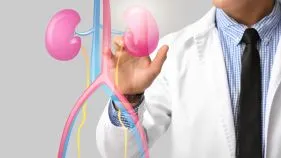
Prerenal Disease: Causes, Symptoms, Diagnosis, and Treatment

Prerenal Disease: Causes, Symptoms, Diagnosis, and Treatment

Introduction

Prerenal disease is a condition in which the kidneys receive insufficient blood flow, leading to a decline in kidney function. It is one of the most common causes of acute kidney injury (AKI) and can often be reversed if diagnosed and treated early. Because the kidneys depend on a steady blood supply to filter waste products and maintain fluid and electrolyte balance, reduced blood flow can rapidly impair their function.

Prerenal kidney injury is frequently caused by dehydration, blood loss, severe infections, heart failure, liver disease, or certain medications. Prompt medical attention is important because untreated prerenal disease may progress to intrinsic kidney damage, which can be more difficult to reverse.

At Prabhakar Bhurke Clinic, our super specialist nephrologist provides comprehensive kidney evaluations, advanced diagnostic testing, acute kidney injury management, chronic kidney disease care, dialysis guidance, kidney transplant evaluation, and long-term kidney care.


What Is Prerenal Disease?

Prerenal disease occurs when blood flow to the kidneys is reduced, resulting in inadequate filtration.

The kidneys themselves may initially be structurally normal, but they cannot function properly because they are not receiving enough blood.

This condition can develop:

  • Suddenly (acute kidney injury)

  • During severe illness

  • After dehydration

  • Following significant blood loss

  • During major heart or liver problems

Early treatment is often highly effective.


How the Kidneys Depend on Blood Flow

The kidneys receive approximately 20–25% of the body’s blood flow.

Adequate blood flow is necessary for:

  • Filtering waste products

  • Removing excess fluid

  • Regulating electrolytes

  • Controlling blood pressure

  • Maintaining acid-base balance

When blood flow falls significantly, kidney filtration decreases.


Common Causes of Prerenal Disease

Dehydration

One of the most common causes.

Dehydration may result from:

  • Vomiting

  • Diarrhea

  • Excessive sweating

  • Inadequate fluid intake

  • Fever


Blood Loss

Significant bleeding can reduce blood pressure and kidney perfusion.


Heart Failure

When the heart cannot pump blood effectively, kidney blood flow decreases.


Severe Infection (Sepsis)

Sepsis can cause low blood pressure and reduced kidney perfusion.


Liver Disease

Advanced liver disease may alter circulation and reduce effective kidney blood flow.


Low Blood Pressure

Severe hypotension from any cause can impair kidney function.


Certain Medications

Some medicines may reduce kidney blood flow, including:

  • NSAID painkillers

  • Certain blood pressure medications

  • Diuretics in some situations

Medication effects should always be evaluated carefully.


Symptoms of Prerenal Disease

Symptoms may vary depending on the underlying cause.

Common symptoms include:

  • Reduced urine output

  • Dark urine

  • Increased thirst

  • Dizziness

  • Fatigue

  • Weakness

  • Dry mouth

  • Rapid heartbeat

  • Low blood pressure

  • Confusion in severe cases

Some patients may have relatively mild symptoms despite significant kidney dysfunction.


Why Prerenal Disease Is Important

If reduced kidney blood flow continues, it may lead to:

  • Acute kidney injury

  • Electrolyte abnormalities

  • Fluid imbalance

  • Increased creatinine levels

  • Intrinsic kidney damage

  • Need for dialysis in severe cases

Early treatment greatly improves recovery.


How Is Prerenal Disease Diagnosed?

At Prabhakar Bhurke Clinic, our super specialist nephrologist performs a detailed evaluation.

Medical History and Physical Examination

The doctor evaluates:

  • Fluid intake

  • Vomiting or diarrhea

  • Blood loss

  • Blood pressure

  • Heart disease

  • Liver disease

  • Medication use

  • Urine output


Blood Tests

Investigations may include:

  • Serum creatinine

  • Estimated Glomerular Filtration Rate (eGFR)

  • Blood Urea Nitrogen (BUN)

  • Electrolytes

  • Complete Blood Count (CBC)

Prerenal disease often causes characteristic changes in kidney blood tests.


Urine Tests

Urine evaluation may include:

  • Urinalysis

  • Urine sodium

  • Urine osmolality

  • Urine specific gravity

These tests help distinguish prerenal disease from intrinsic kidney disease.


Imaging Studies

Imaging may include:

  • Kidney ultrasound

  • Bladder ultrasound

  • CT scan when indicated

Imaging helps exclude urinary obstruction and structural kidney disease.


Treatment of Prerenal Disease

Treatment focuses on restoring kidney blood flow and correcting the underlying cause.

Fluid Replacement

For dehydration, appropriate fluid replacement is often the most important treatment.

This may include:

  • Oral fluids

  • Intravenous (IV) fluids

Fluid therapy is individualized.


Blood Pressure Support

If blood pressure is low, treatment may include:

  • IV fluids

  • Medications when necessary

  • Management of the underlying illness


Treatment of Heart Failure

Improving heart function helps improve kidney perfusion.


Treatment of Sepsis

Patients with severe infection require prompt antibiotics and supportive care.


Blood Loss Management

Significant bleeding may require:

  • Blood transfusion

  • Fluid resuscitation

  • Treatment of the bleeding source


Medication Adjustment

Your nephrologist may temporarily stop or adjust medications affecting kidney blood flow.


Can Prerenal Disease Be Reversed?

Yes. Prerenal disease is often reversible when treated promptly.

Recovery depends on:

  • Duration of reduced blood flow

  • Severity of kidney injury

  • Age

  • Diabetes

  • Heart disease

  • Presence of chronic kidney disease

Delayed treatment increases the risk of permanent kidney damage.


Prerenal Disease vs Intrinsic Kidney Disease

In prerenal disease:

  • Blood flow is reduced

  • Kidney tissue is initially preserved

  • Recovery is often possible

In intrinsic kidney disease:

  • Kidney tissue is damaged

  • Recovery may be slower

  • Permanent kidney damage is more likely

A nephrologist can distinguish between these conditions.


Prevention of Prerenal Disease

Patients can reduce risk by:

  • Staying adequately hydrated

  • Treating vomiting and diarrhea promptly

  • Managing blood pressure appropriately

  • Controlling heart disease

  • Avoiding unnecessary NSAID use

  • Seeking medical care early during severe illness

High-risk patients should have regular kidney monitoring.


When Should You Seek Immediate Medical Care?

Seek urgent medical attention if you develop:

  • Very low urine output

  • Severe dehydration

  • Persistent vomiting

  • Significant diarrhea

  • Dizziness

  • Fainting

  • Confusion

  • Severe weakness

  • High creatinine levels

  • Swelling

  • Shortness of breath

These symptoms may indicate acute kidney injury.


Why Choose Prabhakar Bhurke Clinic?

Patients trust Prabhakar Bhurke Clinic because we provide:

  • Consultation with a super specialist nephrologist

  • Comprehensive kidney evaluations

  • Advanced diagnostic facilities

  • Acute kidney injury management

  • Personalized treatment plans

  • Electrolyte assessment

  • Dialysis guidance and kidney transplant evaluation

  • Long-term kidney function monitoring

  • Compassionate, evidence-based kidney care

Our goal is to diagnose prerenal disease early and restore kidney function safely.


Frequently Asked Questions (FAQs)

Is prerenal disease reversible?

Yes. Many cases of prerenal disease are reversible with prompt treatment.

Can dehydration cause prerenal disease?

Yes. Dehydration is one of the most common causes of prerenal acute kidney injury.

How quickly should treatment begin?

Treatment should begin as early as possible to prevent permanent kidney damage.

Which doctor treats prerenal disease?

A super specialist nephrologist specializes in diagnosing and treating acute kidney injury and kidney function disorders.


Conclusion

Prerenal disease is a common and often reversible cause of acute kidney injury caused by reduced blood flow to the kidneys. Conditions such as dehydration, blood loss, heart failure, sepsis, and low blood pressure can rapidly impair kidney function. Early diagnosis and prompt treatment are essential because delayed treatment may lead to permanent kidney damage.

At Prabhakar Bhurke Clinic, our super specialist nephrologist provides expert diagnosis, comprehensive kidney evaluations, acute kidney injury management, personalized treatment plans, dialysis guidance, kidney transplant evaluation, and long-term kidney care. Through timely intervention and evidence-based treatment, we help patients recover safely while protecting their kidney health.


Book an Appointment Today

If you are experiencing reduced urine output, dehydration, dizziness, increased creatinine levels, reduced eGFR, low blood pressure, swelling, or symptoms of acute kidney injury, schedule a consultation at Prabhakar Bhurke Clinic. Our super specialist nephrologist will perform a detailed evaluation and create a personalized treatment plan to restore kidney function and support your overall health.

Natural Kidney Care: Healthy Habits to Support Kidney Function and Long-Term Kidney Health

Natural Kidney Care: Healthy Habits to Support Kidney Function and Long-Term Kidney Health

Introduction

Your kidneys play a vital role in maintaining overall health by filtering waste products, removing excess fluid, balancing electrolytes, regulating blood pressure, and supporting bone and blood health. Because kidney disease often develops silently, many people are interested in natural kidney care and lifestyle habits that can help protect kidney function.

Natural kidney care focuses on evidence-based healthy habits that support kidney health and reduce the risk of chronic kidney disease (CKD), kidney stones, diabetes-related kidney damage, and hypertension-related kidney problems. It is important to understand that while healthy lifestyle changes can support kidney function, they cannot replace medical treatment for established kidney disease.

At Prabhakar Bhurke Clinic, our super specialist nephrologist provides comprehensive kidney evaluations, advanced diagnostic testing, chronic kidney disease management, kidney stone prevention, dialysis guidance, kidney transplant evaluation, and personalized long-term kidney care.


What Is Natural Kidney Care?

Natural kidney care refers to healthy lifestyle practices that help maintain kidney function and reduce the risk of kidney damage.

These practices include:

  • Adequate hydration

  • Healthy diet

  • Blood pressure control

  • Diabetes management

  • Weight management

  • Regular physical activity

  • Avoiding smoking

  • Limiting unnecessary medications

  • Regular kidney health monitoring

These habits are beneficial for most people and are especially important for individuals at risk of kidney disease.


Why Kidney Health Matters

Healthy kidneys help:

  • Remove waste products

  • Eliminate excess fluid

  • Maintain electrolyte balance

  • Regulate blood pressure

  • Produce hormones for red blood cell production

  • Support bone health

Protecting kidney function is important for long-term overall health.


Stay Well Hydrated

Adequate hydration is one of the most important aspects of kidney health.

Proper fluid intake helps:

  • Maintain urine flow

  • Reduce kidney stone risk

  • Support waste removal

  • Prevent dehydration-related kidney injury

However, excessive water intake is not necessary and may be harmful for some people with kidney disease or heart disease.

Fluid intake should be individualized.


Eat a Kidney-Friendly Diet

A balanced diet supports kidney health.

General recommendations include:

  • Fresh fruits and vegetables

  • Whole grains

  • Healthy fats

  • Moderate protein intake

  • Limited processed foods

  • Reduced excess salt

Dietary needs vary depending on kidney function and underlying medical conditions.


Reduce Excess Salt Intake

High sodium intake can contribute to:

  • High blood pressure

  • Fluid retention

  • Kidney stress

  • Cardiovascular disease

Reducing salt intake is beneficial for kidney and heart health.


Control Blood Pressure Naturally

Healthy blood pressure is essential for protecting the kidneys.

Natural approaches include:

  • Regular exercise

  • Healthy diet

  • Weight management

  • Stress reduction

  • Limiting excess salt

  • Avoiding smoking

Some patients also require medications.


Manage Blood Sugar

Diabetes is one of the leading causes of kidney disease.

Good blood sugar control helps reduce kidney damage.

Healthy habits include:

  • Balanced meals

  • Physical activity

  • Weight control

  • Regular glucose monitoring

  • Medication adherence


Maintain a Healthy Weight

Obesity increases the risk of:

  • Diabetes

  • High blood pressure

  • Kidney stones

  • Chronic kidney disease

Gradual, sustainable weight management supports kidney health.


Exercise Regularly

Regular physical activity may help:

  • Improve blood pressure

  • Improve blood sugar control

  • Support healthy weight

  • Improve circulation

  • Reduce cardiovascular risk

Moderate exercise is generally recommended for most adults.


Avoid Smoking

Smoking increases the risk of:

  • Chronic kidney disease

  • Kidney function decline

  • Kidney cancer

  • Cardiovascular disease

  • High blood pressure

Quitting smoking is one of the most important steps for kidney protection.


Limit Excessive Alcohol

Excessive alcohol intake may contribute to:

  • Dehydration

  • High blood pressure

  • Liver disease

  • Metabolic disturbances

Moderation is important.


Avoid Unnecessary Painkillers

Frequent use of certain pain-relieving medicines, particularly NSAIDs, may increase the risk of kidney damage.

Patients with kidney disease should discuss medication safety with their nephrologist.


Monitor Kidney Health Regularly

Kidney disease often develops without symptoms.

Regular testing is especially important for people with:

  • Diabetes

  • High blood pressure

  • Obesity

  • Family history of kidney disease

  • Kidney stones

  • Older age

Early detection allows earlier treatment.


Natural Kidney Care and Kidney Stones

Lifestyle measures that may reduce stone risk include:

  • Adequate hydration

  • Reduced salt intake

  • Appropriate calcium intake

  • Weight management

  • Balanced diet

Stone prevention should be individualized according to stone type.


Natural Kidney Care and CKD

Healthy habits can help slow CKD progression.

Important measures include:

  • Blood pressure control

  • Diabetes management

  • Healthy diet

  • Smoking cessation

  • Medication adherence

  • Regular nephrology follow-up

Natural approaches should complement medical treatment.


Myths About Natural Kidney Care

Myth: Herbal remedies can cure kidney disease.

Many herbal products lack scientific evidence and some may actually harm the kidneys.

Myth: Drinking excessive water cleans the kidneys.

Excessive water intake does not necessarily improve kidney function and may be harmful in some conditions.

Myth: Natural supplements are always safe.

Supplements can affect kidney function and interact with medications.

Always consult a nephrologist before using herbal or natural supplements.


Signs That Require Medical Evaluation

Seek medical evaluation if you develop:

  • Swelling

  • Foamy urine

  • Blood in urine

  • High blood pressure

  • Fatigue

  • Reduced urine output

  • Frequent urination

  • Kidney stone symptoms

  • Elevated creatinine levels

Early treatment helps preserve kidney function.


How Kidney Health Is Evaluated

At Prabhakar Bhurke Clinic, our super specialist nephrologist performs a comprehensive kidney assessment.

Blood Tests

Investigations may include:

  • Serum creatinine

  • Estimated Glomerular Filtration Rate (eGFR)

  • Blood Urea Nitrogen (BUN)

  • Electrolytes

  • Blood sugar

Urine Tests

Urine evaluation may include:

  • Routine urinalysis

  • Protein estimation

  • Albumin testing

  • Urine microscopy

Imaging

Imaging may include:

  • Kidney ultrasound

  • CT scan when required


When Should You Consult a Nephrologist?

Consult a super specialist nephrologist if you have:

  • High creatinine levels

  • Reduced eGFR

  • Protein in urine

  • Blood in urine

  • Recurrent kidney stones

  • Diabetes

  • High blood pressure

  • Swelling

  • Family history of kidney disease

Early specialist care helps protect kidney health.


Why Choose Prabhakar Bhurke Clinic?

Patients trust Prabhakar Bhurke Clinic because we provide:

  • Consultation with a super specialist nephrologist

  • Comprehensive kidney evaluations

  • Advanced diagnostic testing

  • Personalized treatment plans

  • Chronic kidney disease management

  • Kidney stone prevention

  • Dialysis guidance and kidney transplant evaluation

  • Long-term kidney function monitoring

  • Compassionate, evidence-based kidney care

Our goal is to help patients maintain healthy kidneys through preventive care and expert medical management.


Frequently Asked Questions (FAQs)

Can natural kidney care reverse kidney disease?

Healthy lifestyle habits can support kidney health and slow disease progression, but established chronic kidney disease is usually not completely reversible.

Is drinking more water always beneficial?

Adequate hydration is important, but excessive water intake is not appropriate for everyone and should be individualized.

Are herbal kidney cleanses recommended?

Many herbal products are not scientifically proven and some may be harmful to the kidneys.

Which doctor provides natural and medical kidney care?

A super specialist nephrologist provides evidence-based kidney care while helping patients adopt healthy lifestyle measures that support kidney function.


Conclusion

Natural kidney care focuses on healthy habits that support kidney function and reduce the risk of kidney disease. Adequate hydration, a balanced kidney-friendly diet, blood pressure control, diabetes management, weight control, exercise, smoking cessation, and regular kidney monitoring are the most effective evidence-based strategies for long-term kidney health. Lifestyle changes are valuable, but they should complement—not replace—appropriate medical care.

At Prabhakar Bhurke Clinic, our super specialist nephrologist provides expert diagnosis, comprehensive kidney evaluations, personalized treatment plans, chronic kidney disease management, kidney stone prevention, dialysis guidance, kidney transplant evaluation, and long-term kidney care. Through preventive strategies and evidence-based treatment, we help patients protect their kidneys and improve their overall well-being.


Book an Appointment Today

If you have high blood pressure, diabetes, kidney stones, elevated creatinine levels, reduced eGFR, protein in urine, swelling, or concerns about kidney health, schedule a consultation at Prabhakar Bhurke Clinic. Our super specialist nephrologist will perform a detailed evaluation and create a personalized plan to support your kidney function and long-term health.

Kidney Disease and Dry Skin: Causes, Symptoms, Treatment, and Expert Kidney Care

Kidney Disease and Dry Skin: Causes, Symptoms, Treatment, and Expert Kidney Care

Introduction

Dry skin is a common problem that can affect people of all ages, but it is particularly frequent in individuals with chronic kidney disease (CKD). Many patients with kidney disease experience dry, rough, itchy, or flaky skin, especially as kidney function declines. Although dry skin may seem like a minor issue, it can significantly affect comfort, sleep, and overall quality of life.

Healthy kidneys help regulate fluid balance, remove waste products, maintain mineral balance, and support overall skin health. When kidney function is reduced, changes in hydration, mineral metabolism, and skin function may contribute to persistent dryness and itching.

Recognizing the relationship between kidney disease and dry skin can help patients seek timely medical care and appropriate treatment.

At Prabhakar Bhurke Clinic, our super specialist nephrologist provides comprehensive kidney evaluations, advanced diagnostic testing, chronic kidney disease management, electrolyte assessment, dialysis guidance, kidney transplant evaluation, and long-term kidney care.


Can Kidney Disease Cause Dry Skin?

Yes. Kidney disease can contribute to dry skin, especially in people with moderate to advanced chronic kidney disease.

Dry skin in CKD may result from:

  • Reduced skin hydration

  • Changes in sweat gland function

  • Mineral and electrolyte imbalances

  • Accumulation of waste products

  • Chronic inflammation

  • Associated itching (uremic pruritus)

Dry skin is often more noticeable on the arms, legs, back, and feet.


Why Does Kidney Disease Cause Dry Skin?

Several factors contribute to skin dryness in CKD.

Reduced Sweat and Oil Production

Kidney disease may reduce normal skin moisture, leading to rough and flaky skin.


Fluid Balance Changes

Abnormal fluid regulation can affect skin hydration.


Mineral Imbalances

Abnormal calcium and phosphorus metabolism may affect skin health.


Waste Product Accumulation

As kidney function declines, waste products may contribute to skin irritation and itching.


Chronic Inflammation

Inflammatory changes associated with CKD may worsen skin symptoms.


Symptoms of Kidney Disease-Related Dry Skin

Patients may experience:

  • Dry skin

  • Rough skin texture

  • Flaky skin

  • Tightness of the skin

  • Itching

  • Cracked skin

  • Skin irritation

  • Difficulty sleeping due to itching

  • Scratching-related skin damage

Symptoms may be mild or severe depending on kidney function and associated conditions.


Dry Skin and Itching

Dry skin and itching often occur together in kidney disease.

Persistent itching may:

  • Affect multiple areas of the body

  • Be worse at night

  • Interfere with sleep

  • Cause skin injury from scratching

  • Increase the risk of skin infection

A nephrologist can help determine whether kidney disease is contributing to these symptoms.


Other Symptoms of Kidney Disease

Dry skin may occur along with:

  • Fatigue

  • Swelling of the feet and ankles

  • Frequent urination

  • Night-time urination

  • Foamy urine

  • Blood in urine

  • High blood pressure

  • Muscle cramps

  • Nausea

  • Loss of appetite

  • Shortness of breath

These symptoms should be medically evaluated.


Common Kidney Diseases Associated With Dry Skin

Dry skin may occur in:

Chronic Kidney Disease (CKD)

The most common association.


Advanced Kidney Disease

Skin symptoms become more common as kidney function declines.


Kidney Failure

Dry skin and itching are particularly common in advanced kidney failure.


Dialysis Patients

Many dialysis patients experience significant skin dryness and itching.


How Is the Cause Diagnosed?

At Prabhakar Bhurke Clinic, our super specialist nephrologist performs a comprehensive evaluation.

Medical History and Physical Examination

The doctor evaluates:

  • Duration of dry skin

  • Itching severity

  • Kidney disease history

  • Medications

  • Diabetes

  • Blood pressure

  • Skin examination


Blood Tests

Investigations may include:

  • Serum creatinine

  • Estimated Glomerular Filtration Rate (eGFR)

  • Blood Urea Nitrogen (BUN)

  • Electrolytes

  • Calcium

  • Phosphorus

  • Parathyroid hormone (PTH) when indicated

These tests help assess kidney function and mineral abnormalities.


Urine Tests

Urine evaluation may include:

  • Routine urinalysis

  • Protein estimation

  • Albumin testing

  • Urine microscopy


Imaging Studies

When indicated, imaging may include:

  • Kidney ultrasound

  • CT scan


Treatment for Kidney Disease and Dry Skin

Treatment focuses on both kidney disease management and skin care.

Moisturizers

Regular use of fragrance-free moisturizers is one of the most effective treatments for CKD-related dry skin.

Moisturizers should be applied:

  • After bathing

  • At bedtime

  • Whenever skin feels dry


Gentle Skin Care

Patients should:

  • Use mild soaps

  • Avoid harsh cleansers

  • Avoid very hot showers

  • Pat the skin dry

  • Apply moisturizer immediately after bathing


Treat Underlying Kidney Disease

Managing CKD, diabetes, and blood pressure helps reduce complications that contribute to dry skin.


Correct Mineral Imbalances

Treatment of calcium, phosphorus, and PTH abnormalities may improve symptoms in some patients.


Dialysis Optimization

For dialysis patients, optimizing dialysis adequacy may help improve itching and related skin symptoms.


Medications for Itching

If itching is severe, your nephrologist may prescribe appropriate medications based on the underlying cause.


Home Care Tips

Patients may benefit from:

  • Regular moisturizing

  • Using humidifiers in dry environments

  • Wearing loose cotton clothing

  • Staying hydrated as advised

  • Avoiding scratching

  • Keeping nails short

  • Protecting cracked skin from infection


Can Dry Skin Be Prevented?

Many patients can reduce symptoms with:

  • Early CKD treatment

  • Blood pressure control

  • Diabetes management

  • Regular skin care

  • Moisturizer use

  • Appropriate dialysis care

  • Regular nephrology follow-up


When Should You See a Nephrologist?

Consult a super specialist nephrologist if you have:

  • Persistent dry skin

  • Severe itching

  • High creatinine levels

  • Reduced eGFR

  • Swelling

  • Diabetes

  • High blood pressure

  • Abnormal kidney tests

  • Symptoms of chronic kidney disease

Early evaluation helps protect kidney health.


Why Choose Prabhakar Bhurke Clinic?

Patients trust Prabhakar Bhurke Clinic because we provide:

  • Consultation with a super specialist nephrologist

  • Comprehensive kidney evaluations

  • Advanced diagnostic facilities

  • Personalized treatment plans

  • Chronic kidney disease management

  • Electrolyte and mineral assessment

  • Dialysis guidance and kidney transplant evaluation

  • Long-term kidney function monitoring

  • Compassionate, evidence-based kidney care

Our goal is to manage kidney disease while improving comfort and quality of life.


Frequently Asked Questions (FAQs)

Can dry skin be an early sign of kidney disease?

Dry skin alone is not usually a specific early sign of kidney disease, but it can occur as kidney function declines, particularly when accompanied by other kidney-related symptoms.

Why is itching worse at night in kidney disease?

CKD-related itching often becomes more noticeable at night due to changes in skin temperature, dryness, and nerve sensitivity.

Will moisturizers cure kidney-related dry skin?

Moisturizers help relieve symptoms, but treating the underlying kidney disease is also important.

Which doctor treats dry skin related to kidney disease?

A super specialist nephrologist evaluates kidney function and manages CKD-related skin symptoms and complications.


Conclusion

Kidney disease and dry skin are closely connected, particularly in people with chronic kidney disease and advanced kidney dysfunction. Dry, rough, flaky, and itchy skin can significantly affect quality of life, but many patients improve with proper skin care, kidney disease management, and treatment of underlying mineral and electrolyte abnormalities.

At Prabhakar Bhurke Clinic, our super specialist nephrologist provides expert diagnosis, comprehensive kidney evaluations, personalized treatment plans, chronic kidney disease management, dialysis guidance, kidney transplant evaluation, and long-term kidney care. Through early intervention and evidence-based treatment, we help patients protect their kidneys while improving skin health and overall well-being.


Book an Appointment Today

If you are experiencing persistent dry skin, itching, high creatinine levels, reduced eGFR, swelling, diabetes-related kidney disease, high blood pressure, or other symptoms of kidney disease, schedule a consultation at Prabhakar Bhurke Clinic. Our super specialist nephrologist will perform a detailed evaluation and create a personalized treatment plan to support your kidney health and improve your quality of life.

Medicine to Improve Kidney Function: Treatment Options, Kidney Protection, and Expert Nephrology Care

Medicine to Improve Kidney Function: Treatment Options, Kidney Protection, and Expert Nephrology Care

Introduction

Many people search for medicine to improve kidney function after receiving abnormal kidney test results, high creatinine levels, reduced eGFR, or a diagnosis of chronic kidney disease (CKD). While there is no single medicine that can completely restore damaged kidneys in most cases, several medications can help protect kidney function, slow disease progression, reduce protein leakage, control blood pressure, manage diabetes, and prevent complications.

The most effective treatment depends on the underlying cause of kidney dysfunction. Early diagnosis and treatment by a nephrologist can significantly improve long-term kidney health and reduce the risk of kidney failure.

At Prabhakar Bhurke Clinic, our super specialist nephrologist provides comprehensive kidney evaluations, advanced diagnostic testing, personalized treatment plans, chronic kidney disease management, diabetic kidney disease care, dialysis guidance, kidney transplant evaluation, and long-term kidney care.


Can Medicines Improve Kidney Function?

In many patients, medicines can help preserve remaining kidney function and slow further damage.

Treatment aims to:

  • Reduce kidney stress

  • Control blood pressure

  • Control diabetes

  • Reduce protein loss in urine

  • Correct electrolyte abnormalities

  • Treat underlying kidney disease

  • Prevent progression to kidney failure

Early treatment offers the greatest benefit.


Common Causes of Reduced Kidney Function

Kidney dysfunction may occur due to:

  • Chronic kidney disease

  • Diabetes

  • High blood pressure

  • Kidney infections

  • Glomerulonephritis

  • Kidney stones

  • Autoimmune diseases

  • Polycystic kidney disease

  • Acute kidney injury

  • Certain medications

Identifying the cause is essential before selecting treatment.


Medicines Used to Protect Kidney Function

Blood Pressure Medicines

Controlling blood pressure is one of the most important ways to protect the kidneys.

Certain blood pressure medicines may also reduce protein leakage in urine, which helps slow CKD progression.


Diabetes Medicines

For patients with diabetes, appropriate blood sugar control is essential.

Some modern diabetes medications may provide additional kidney protection in selected patients.


Medicines That Reduce Protein in Urine

Reducing protein loss helps decrease kidney damage over time.

Your nephrologist may prescribe medications that lower urinary protein levels.


Diuretics

Diuretics may help manage:

  • Swelling

  • Fluid overload

  • High blood pressure

They are used carefully according to kidney function.


Electrolyte Management Medicines

Patients with kidney disease may require treatment for:

  • High potassium

  • Low potassium

  • Calcium abnormalities

  • Phosphorus imbalance

  • Acid-base disorders


Anemia Treatment

Kidney disease often causes anemia.

Treatment may include:

  • Iron therapy

  • Erythropoiesis-stimulating medications

  • Nutritional support

Improving anemia may reduce fatigue and improve quality of life.


Medicines for Acute Kidney Injury

If kidney dysfunction is caused by acute kidney injury (AKI), treatment focuses on:

  • Correcting dehydration

  • Treating infection

  • Relieving urinary obstruction

  • Stopping harmful medications

  • Supporting kidney recovery

Kidney function may improve significantly in some AKI cases.


Symptoms of Reduced Kidney Function

Patients may experience:

  • Fatigue

  • Weakness

  • Swelling of feet and ankles

  • Frequent urination

  • Night-time urination

  • Foamy urine

  • Blood in urine

  • High blood pressure

  • Nausea

  • Itching

  • Muscle cramps

Some patients have no symptoms in early CKD.


How Is Kidney Function Evaluated?

At Prabhakar Bhurke Clinic, our super specialist nephrologist performs a complete kidney assessment.

Blood Tests

Investigations may include:

  • Serum creatinine

  • Estimated Glomerular Filtration Rate (eGFR)

  • Blood Urea Nitrogen (BUN)

  • Electrolytes

  • Blood sugar

  • HbA1c


Urine Tests

Urine evaluation may include:

  • Routine urinalysis

  • Protein estimation

  • Albumin testing

  • Urine microscopy

These tests help detect early kidney damage.


Imaging Studies

Depending on your condition, imaging may include:

  • Kidney ultrasound

  • CT scan when indicated

Imaging helps identify structural kidney problems.


Can Kidney Function Be Restored?

The answer depends on the cause.

Acute Kidney Injury

Kidney function may improve partially or completely if treated early.

Chronic Kidney Disease

CKD is usually not completely reversible, but medicines can often:

  • Slow progression

  • Preserve remaining kidney function

  • Delay dialysis

  • Improve quality of life

Early nephrology care is extremely important.


Lifestyle Changes That Support Kidney Function

Medicines work best when combined with healthy habits.

Control Blood Pressure

Maintain healthy blood pressure through medication and lifestyle changes.

Manage Diabetes

Good blood sugar control reduces kidney damage.

Follow a Kidney-Friendly Diet

Dietary recommendations may include:

  • Reduced salt intake

  • Appropriate protein intake

  • Controlled potassium when necessary

  • Controlled phosphorus when necessary

Diet should be individualized.

Maintain Healthy Weight

Weight management reduces kidney stress.

Exercise Regularly

Physical activity supports cardiovascular and kidney health.

Avoid Smoking

Smoking accelerates kidney disease progression.

Avoid Unnecessary Painkillers

Frequent NSAID use may worsen kidney function.


Medicines That May Harm Kidney Function

Some medications require caution in patients with kidney disease.

These may include certain:

  • Painkillers

  • Antibiotics

  • Contrast agents

  • Herbal supplements

  • Over-the-counter medicines

Always consult your nephrologist before starting new medications.


When Is Dialysis Needed?

Medicines may not be sufficient when kidney disease becomes very advanced.

Dialysis may be necessary if patients develop:

  • Severe fluid overload

  • Dangerous electrolyte abnormalities

  • Uremic symptoms

  • Advanced kidney failure

Early dialysis planning improves outcomes.


Kidney Transplant Evaluation

For eligible patients with advanced CKD, kidney transplantation may provide better long-term survival and quality of life.

Evaluation should begin before complete kidney failure develops.


When Should You Consult a Nephrologist?

Consult a super specialist nephrologist if you have:

  • High creatinine levels

  • Reduced eGFR

  • Protein in urine

  • Swelling

  • Diabetes with kidney disease

  • High blood pressure

  • Recurrent kidney infections

  • Persistent abnormal kidney tests

Early specialist care helps preserve kidney function.


Why Choose Prabhakar Bhurke Clinic?

Patients trust Prabhakar Bhurke Clinic because we provide:

  • Consultation with a super specialist nephrologist

  • Comprehensive kidney function evaluation

  • Advanced diagnostic testing

  • Personalized treatment plans

  • Chronic kidney disease management

  • Diabetic kidney disease care

  • Dialysis planning and monitoring

  • Kidney transplant evaluation

  • Long-term kidney health management

  • Compassionate, evidence-based kidney care

Our goal is to preserve kidney function and improve long-term health outcomes.


Frequently Asked Questions (FAQs)

Is there a medicine that can completely improve kidney function?

No single medicine can completely restore permanently damaged kidneys in most CKD patients, but several medications can protect kidney function and slow disease progression.

Can kidney function improve after treatment?

Yes. Kidney function may improve in some cases of acute kidney injury and may stabilize in many CKD patients with proper treatment.

Which medicines protect the kidneys?

Treatment depends on the underlying cause and may include blood pressure medicines, diabetes medicines, protein-reducing medications, and treatments for CKD complications.

Which doctor treats reduced kidney function?

A super specialist nephrologist specializes in diagnosing kidney disease, prescribing kidney-protective medicines, and managing chronic kidney disease.


Conclusion

Searching for medicine to improve kidney function is understandable, but effective treatment requires identifying the underlying cause of kidney dysfunction. Although chronic kidney disease is often not completely reversible, appropriate medications, blood pressure control, diabetes management, and healthy lifestyle changes can significantly slow disease progression and preserve remaining kidney function.

At Prabhakar Bhurke Clinic, our super specialist nephrologist provides expert diagnosis, comprehensive kidney evaluations, personalized treatment plans, chronic kidney disease management, dialysis guidance, kidney transplant evaluation, and long-term kidney care. Through early intervention and evidence-based treatment, we help patients protect their kidneys and improve their quality of life.


Book an Appointment Today

If you have high creatinine levels, reduced eGFR, protein in urine, diabetes-related kidney disease, high blood pressure, swelling, or concerns about kidney function, schedule a consultation at Prabhakar Bhurke Clinic. Our super specialist nephrologist will perform a detailed evaluation and create a personalized treatment plan to protect your kidney function and overall well-being.

Fluid Therapy for Kidney Stones: Hydration, Treatment, and Prevention

Fluid Therapy for Kidney Stones: Hydration, Treatment, and Prevention

Introduction

Fluid therapy is one of the most important components of kidney stone treatment and prevention. Adequate hydration helps dilute urine, reduce crystal formation, promote stone passage in selected cases, and lower the risk of recurrent kidney stones. However, fluid therapy should be individualized, especially in patients with kidney disease, heart disease, or urinary obstruction.

Many patients believe that simply drinking excessive amounts of water will dissolve kidney stones. In reality, fluid therapy is a supportive treatment, and the best approach depends on the size, location, type of stone, symptoms, and kidney function. Small stones may pass naturally with hydration and medications, while larger stones may require procedures such as ESWL, ureteroscopy, or PCNL.

At Prabhakar Bhurke Clinic, our super specialist nephrologist provides comprehensive kidney stone evaluation, advanced diagnostic testing, personalized hydration guidance, kidney function monitoring, stone prevention strategies, dialysis guidance, and long-term kidney care.


What Is Fluid Therapy for Kidney Stones?

Fluid therapy involves increasing or carefully managing fluid intake to:

  • Dilute urine

  • Reduce mineral concentration

  • Promote urine flow

  • Support stone passage

  • Prevent new stone formation

Fluid therapy may include:

  • Oral hydration

  • Intravenous (IV) fluids

  • Individualized fluid management

The treatment approach depends on the patient’s medical condition.


Why Hydration Is Important

When urine becomes concentrated, minerals such as calcium, oxalate, and uric acid are more likely to form crystals that can develop into kidney stones.

Adequate hydration helps:

  • Increase urine volume

  • Reduce crystal formation

  • Decrease stone recurrence

  • Improve urinary flow

Maintaining appropriate hydration is one of the most effective preventive measures for kidney stones.


Can Fluid Therapy Help Pass Kidney Stones?

Fluid therapy may help small kidney stones pass naturally, especially stones that are likely to move through the urinary tract without causing severe obstruction.

Hydration may be useful for:

  • Small stones

  • Mild symptoms

  • Stable kidney function

  • No evidence of significant obstruction

  • No severe infection

Patients should not delay medical evaluation if symptoms are severe.


When IV Fluid Therapy Is Used

Intravenous (IV) fluids may be recommended when patients have:

  • Severe dehydration

  • Persistent vomiting

  • Inability to drink fluids

  • Severe kidney stone pain

  • Hospitalization for renal colic

  • Associated kidney injury

  • Infection requiring inpatient treatment

IV fluids help restore hydration but do not dissolve kidney stones.


Symptoms That May Require Medical Evaluation

Seek prompt medical attention if you experience:

  • Severe flank pain

  • Pain radiating to the groin

  • Blood in the urine

  • Fever

  • Chills

  • Persistent vomiting

  • Reduced urine output

  • Difficulty passing urine

  • Swelling

  • High creatinine levels

These symptoms may indicate obstruction or infection.


How Much Water Should Kidney Stone Patients Drink?

The ideal fluid intake varies from person to person.

The goal is usually to maintain adequate urine output throughout the day.

Fluid requirements depend on:

  • Body size

  • Climate

  • Activity level

  • Kidney function

  • Heart health

  • Stone type

Your nephrologist will provide individualized recommendations.


Types of Kidney Stones

Fluid therapy is important for most stone types, including:

Calcium Stones

The most common type of kidney stone.

Uric Acid Stones

Often associated with acidic urine and metabolic conditions.

Struvite Stones

Commonly associated with urinary tract infections.

Cystine Stones

Usually related to inherited metabolic disorders.

Stone composition helps guide prevention strategies.


How Kidney Stones Are Diagnosed

At Prabhakar Bhurke Clinic, our super specialist nephrologist performs a comprehensive kidney stone evaluation.

Medical History and Examination

The doctor evaluates:

  • Pain symptoms

  • Previous stone history

  • Diet

  • Fluid intake

  • Medical conditions

  • Medication use


Blood Tests

Investigations may include:

  • Serum creatinine

  • Estimated Glomerular Filtration Rate (eGFR)

  • Blood Urea Nitrogen (BUN)

  • Calcium

  • Uric acid

  • Electrolytes

These tests assess kidney function and metabolic abnormalities.


Urine Tests

Urine evaluation may include:

  • Routine urinalysis

  • Urine culture

  • Urine microscopy

  • 24-hour urine metabolic evaluation in selected patients


Imaging Studies

Imaging helps determine:

  • Stone size

  • Stone location

  • Number of stones

  • Kidney swelling

  • Urinary obstruction

Common investigations include:

  • Kidney ultrasound

  • Non-contrast CT scan


Treatment Beyond Fluid Therapy

Hydration alone may not be sufficient for larger stones.

Medications

Your nephrologist may prescribe:

  • Pain relief medicines

  • Medicines to help stone passage

  • Medications for stone prevention


ESWL (Shock Wave Lithotripsy)

Uses shock waves to break stones into smaller fragments.


Ureteroscopy With Laser Lithotripsy

Laser treatment is commonly used for ureter stones causing symptoms or obstruction.


PCNL (Percutaneous Nephrolithotomy)

Recommended for:

  • Large kidney stones

  • Multiple stones

  • Complex stones


Is Drinking Too Much Water Harmful?

Yes. Excessive fluid intake can be harmful in some patients, especially those with:

  • Chronic kidney disease

  • Heart failure

  • Liver disease

  • Certain electrolyte disorders

Fluid therapy should be balanced and medically supervised.


Preventing Future Kidney Stones

Effective prevention includes:

Maintain Adequate Hydration

Consistent hydration throughout the day is important.

Reduce Salt Intake

Excess sodium increases urinary calcium excretion.

Follow a Balanced Diet

Dietary recommendations may include:

  • Appropriate calcium intake

  • Reduced excessive oxalate-rich foods when indicated

  • Moderate animal protein intake

  • Weight management

Metabolic Evaluation

Patients with recurrent stones may benefit from specialized metabolic testing.


Lifestyle Tips

To support kidney stone prevention:

  • Drink fluids regularly

  • Avoid prolonged dehydration

  • Maintain healthy weight

  • Exercise regularly

  • Follow medical advice

  • Attend regular nephrology follow-up appointments


When Should You See a Nephrologist?

Consult a super specialist nephrologist if you have:

  • Recurrent kidney stones

  • Blood in urine

  • Flank pain

  • Frequent urinary infections

  • High creatinine levels

  • Reduced eGFR

  • Family history of kidney stones

  • Bilateral kidney stones

Early specialist care helps protect kidney function.


Why Choose Prabhakar Bhurke Clinic?

Patients trust Prabhakar Bhurke Clinic because we provide:

  • Consultation with a super specialist nephrologist

  • Comprehensive kidney stone evaluations

  • Advanced diagnostic facilities

  • Personalized hydration guidance

  • Kidney function monitoring

  • Metabolic stone assessment

  • Long-term kidney stone prevention

  • Dialysis guidance and kidney transplant evaluation

  • Compassionate, evidence-based kidney care

Our goal is to provide effective stone treatment while preventing future stone formation.


Frequently Asked Questions (FAQs)

Can drinking more water dissolve kidney stones?

Water does not usually dissolve most kidney stones, but adequate hydration may help small stones pass naturally and reduce recurrence risk.

Is IV fluid therapy necessary for all kidney stone patients?

No. IV fluids are usually reserved for patients with dehydration, severe vomiting, severe pain, or hospitalization.

Can excessive water intake be harmful?

Yes. Some patients with kidney disease or heart disease require individualized fluid recommendations.

Which doctor guides fluid therapy for kidney stones?

A super specialist nephrologist evaluates kidney function, stone type, hydration needs, and long-term stone prevention.


Conclusion

Fluid therapy for kidney stones is an important part of both treatment and prevention. Adequate hydration helps dilute urine, reduce crystal formation, support stone passage in selected cases, and lower the risk of future stones. However, fluid therapy should always be individualized according to kidney function, stone type, and overall health.

At Prabhakar Bhurke Clinic, our super specialist nephrologist provides expert diagnosis, comprehensive kidney stone evaluation, personalized hydration guidance, kidney function monitoring, advanced treatment planning, dialysis guidance, kidney transplant evaluation, and long-term kidney stone prevention. Through evidence-based care and individualized treatment, we help patients protect their kidneys and reduce the risk of recurrent kidney stones.


Book an Appointment Today

If you are experiencing kidney stone pain, recurrent kidney stones, blood in the urine, increased creatinine levels, reduced eGFR, dehydration, or urinary symptoms, schedule a consultation at Prabhakar Bhurke Clinic. Our super specialist nephrologist will perform a detailed evaluation and create a personalized treatment plan to support your kidney health and prevent future kidney stones.