Introduction
A 20 mm kidney stone (2 cm kidney stone) is considered a large kidney stone and usually requires specialized treatment. Stones of this size rarely pass naturally and may cause severe pain, urinary obstruction, recurrent infections, bleeding, and kidney damage if left untreated.
Patients often search for 20 mm kidney stone treatment because they want to understand whether medication is enough or whether surgery is required. In most cases, a 20 mm stone requires procedural removal, and modern minimally invasive techniques provide excellent treatment outcomes.
At Prabhakar Bhurke Clinic, our super specialist nephrologist provides comprehensive kidney stone evaluation, advanced diagnostic testing, personalized treatment planning, kidney function monitoring, and long-term kidney stone prevention care.
Is a 20 mm Kidney Stone Serious?
Yes. A 20 mm kidney stone is a significant kidney stone that can lead to:
-
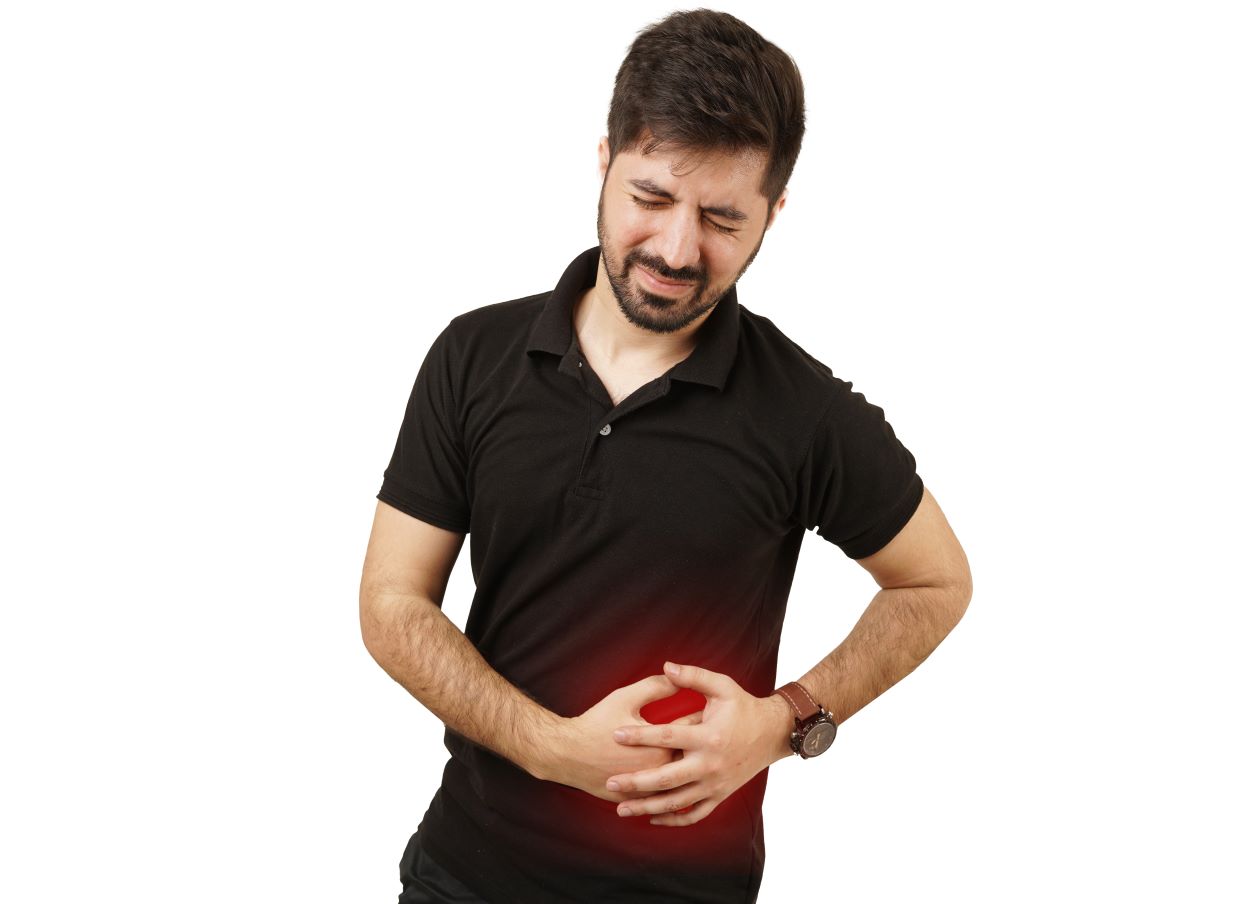
Severe flank pain
-
Urinary obstruction
-
Kidney swelling (hydronephrosis)
-
Recurrent urinary infections
-
Blood in urine
-
Reduced kidney function
-
Permanent kidney damage if treatment is delayed
Prompt evaluation and treatment are important.
Symptoms of a 20 mm Kidney Stone
Common symptoms include:
Severe Flank Pain
Pain is usually felt:
-
In the side of the back
-
Below the ribs
-
Radiating toward the groin
Blood in Urine
Large stones may cause:
-
Pink urine
-
Red urine
-
Brown-colored urine
Pain During Urination
Patients may experience burning or discomfort while passing urine.
Frequent Urination
Urinary urgency and increased frequency may occur.
Nausea and Vomiting
Severe kidney stone pain commonly causes digestive symptoms.
Fever and Chills
Fever may indicate infection associated with the stone and requires urgent medical attention.
Can a 20 mm Kidney Stone Pass Naturally?
A 20 mm kidney stone is very unlikely to pass naturally.
Stones this large usually require procedures because:
-
They may become trapped.
-
They can block urine flow.
-
They can damage the kidney.
-
They can increase infection risk.
Medication alone is usually not sufficient for complete treatment.
How Is a 20 mm Kidney Stone Diagnosed?
At Prabhakar Bhurke Clinic, our super specialist nephrologist performs a detailed kidney stone evaluation.
Medical History and Physical Examination
The doctor evaluates:
-
Pain severity
-
Urinary symptoms
-
Previous kidney stones
-
Medical history
-
Family history
-
Current medications
Blood Tests
Investigations may include:
-
Serum Creatinine
-
Estimated Glomerular Filtration Rate (eGFR)
-
Blood Urea Nitrogen (BUN)
-
Electrolytes
-
Calcium
-
Uric acid
These tests help assess kidney function before treatment.
Urine Tests
Urine evaluation helps detect:
-
Blood
-
Infection
-
Crystals
-
Protein
-
Stone-forming substances
Imaging Studies
Imaging is essential for treatment planning.
Tests may include:
-
Kidney ultrasound
-
CT scan
-
X-ray when indicated
These help determine:
-
Exact stone size
-
Stone location
-
Number of stones
-
Urinary obstruction
-
Kidney involvement
Best Treatment for a 20 mm Kidney Stone
PCNL (Percutaneous Nephrolithotomy)
PCNL is considered one of the best treatments for a 20 mm kidney stone.
During PCNL:
-
A small incision is made in the back.
-
A special instrument is inserted into the kidney.
-
The stone is broken into fragments.
-
The fragments are removed.
PCNL is highly effective for:
-
Stones 20 mm or larger
-
Staghorn stones
-
Multiple kidney stones
-
Complex kidney stones
Mini-PCNL
Mini-PCNL uses smaller instruments than conventional PCNL.
Potential advantages include:
-
Smaller incision
-
Reduced bleeding
-
Faster recovery in selected patients
Suitability depends on stone characteristics.
Ureteroscopy With Laser Lithotripsy
Laser treatment may be considered for some kidney stones depending on location and anatomy.
A flexible scope is passed through the urinary tract, and laser energy breaks the stone into smaller pieces.
RIRS (Retrograde Intrarenal Surgery)
RIRS may be used in selected cases, although very large stones may require staged procedures.
ESWL (Shock Wave Lithotripsy)
ESWL is generally less effective for a 20 mm kidney stone because:
-
Complete stone clearance is less likely.
-
Multiple treatment sessions may be required.
-
Residual stone fragments are common.
PCNL is often preferred for stones of this size.
Recovery After 20 mm Kidney Stone Treatment
Recovery depends on the procedure performed.
After PCNL, patients may require:
-
Pain management
-
Hydration guidance
-
Temporary urinary drainage
-
Infection prevention
-
Follow-up imaging
-
Kidney function monitoring
Most patients recover significantly faster with minimally invasive procedures than with traditional open surgery.
Can Medicines Dissolve a 20 mm Kidney Stone?
In most cases, medicines cannot dissolve a 20 mm calcium kidney stone.
Some uric acid stones may respond to medical treatment, but a large symptomatic stone usually requires procedural removal.
Preventing Future Kidney Stones
After stone removal, preventing recurrence is extremely important.
Recommendations may include:
-
Drinking adequate water
-
Reducing salt intake
-
Maintaining normal dietary calcium
-
Limiting excessive animal protein
-
Managing obesity
-
Controlling diabetes
-
Treating urinary infections promptly
-
Stone analysis
-
Metabolic evaluation
A 24-hour urine test may help identify the cause of recurrent stones.
When Should You See a Nephrologist?
Consult a super specialist nephrologist if you have:
-
A 20 mm kidney stone
-
Severe flank pain
-
Blood in urine
-
Recurrent kidney stones
-
Kidney infection
-
High creatinine levels
-
Reduced eGFR
-
Urinary obstruction
-
Multiple kidney stones
Early specialist care helps prevent kidney damage and recurrence.
Why Choose Prabhakar Bhurke Clinic?
Patients trust Prabhakar Bhurke Clinic because we provide:
-
Consultation with a super specialist nephrologist
-
Comprehensive kidney stone evaluation
-
Advanced diagnostic testing
-
Personalized treatment plans
-
Kidney function monitoring
-
Coordination of advanced stone removal procedures
-
Long-term stone prevention programs
-
Chronic kidney disease management
-
Dialysis planning
-
Kidney transplant evaluation
-
Compassionate, evidence-based kidney care
Our goal is to achieve complete stone clearance while preserving long-term kidney function.
Frequently Asked Questions (FAQs)
Is surgery necessary for a 20 mm kidney stone?
In most cases, yes. A 20 mm kidney stone usually requires a procedure such as PCNL for complete removal.
What is the best treatment for a 2 cm kidney stone?
PCNL is often considered one of the most effective treatments for kidney stones measuring 20 mm or larger.
Can ESWL treat a 20 mm kidney stone?
ESWL may be possible in selected cases, but it is generally less effective for a 20 mm stone compared with PCNL.
Which doctor treats a 20 mm kidney stone?
A super specialist nephrologist evaluates kidney function, identifies stone-related complications, and coordinates advanced kidney stone treatment and long-term prevention.
Conclusion
A 20 mm kidney stone is a large kidney stone that usually requires specialized treatment. Modern minimally invasive procedures such as PCNL, mini-PCNL, ureteroscopy, and RIRS provide highly effective stone removal while helping preserve kidney function. Early diagnosis and appropriate treatment are essential to prevent infection, obstruction, and long-term kidney damage.
At Prabhakar Bhurke Clinic, our super specialist nephrologist provides expert kidney stone diagnosis, advanced evaluation, personalized treatment planning, kidney function monitoring, and long-term stone prevention care to help patients achieve better kidney health outcomes.
Book an Appointment Today
If you have been diagnosed with a 20 mm kidney stone, large kidney stone, severe flank pain, blood in urine, recurrent kidney stones, urinary blockage, high creatinine levels, or reduced eGFR, schedule a consultation at Prabhakar Bhurke Clinic. Our super specialist nephrologist will evaluate your condition and recommend the most effective treatment and prevention plan for your kidney health.