Introduction
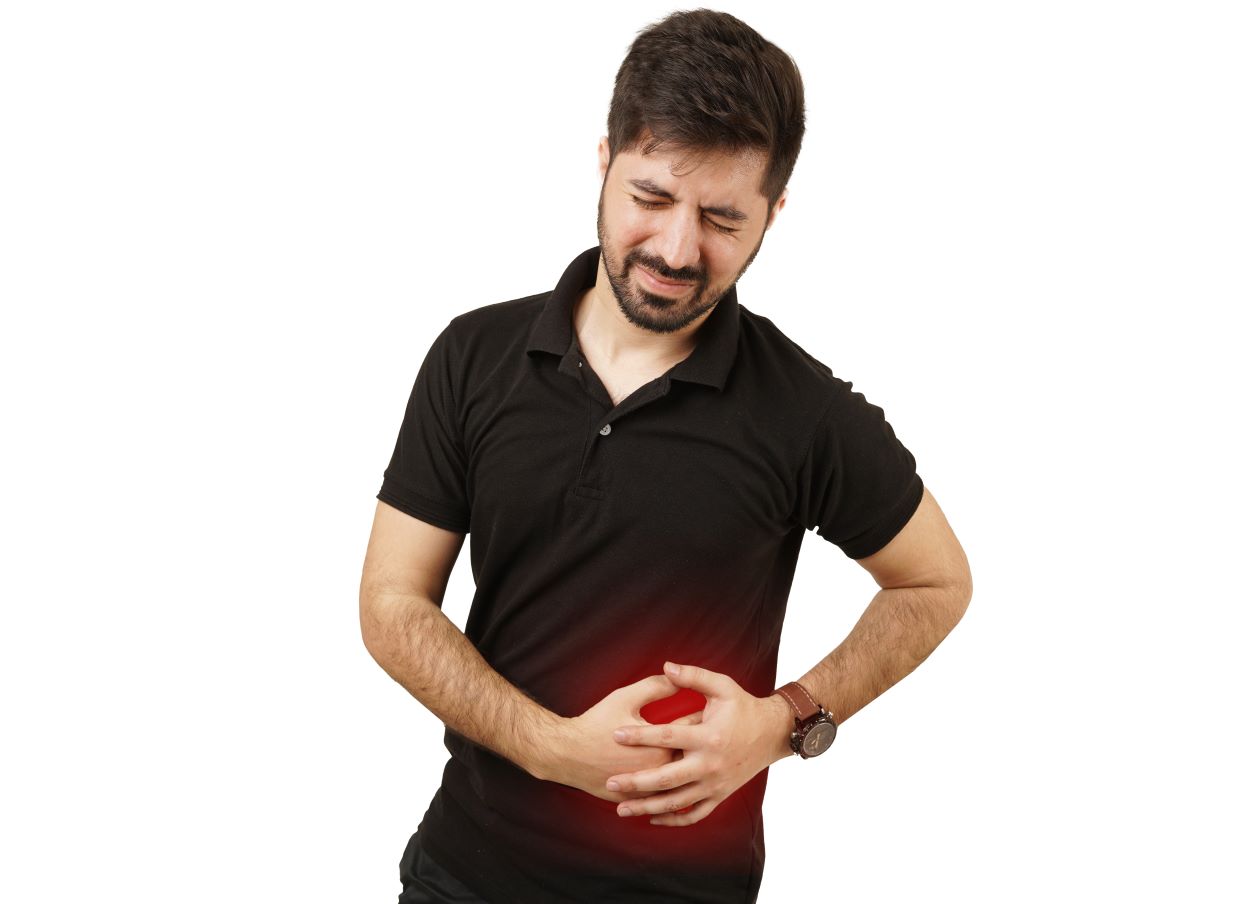
Kidney stones are one of the most common causes of sudden, severe pain, often described as one of the most intense types of pain a person can experience. The pain usually develops when a stone moves from the kidney into the ureter, blocking the normal flow of urine and causing pressure within the urinary tract.
Many patients search for the best pain relief for kidney stones, but effective treatment depends on several factors, including the size, location, and type of kidney stone, as well as whether infection or urinary obstruction is present. While pain medications can help relieve symptoms, treating the underlying stone is equally important.
At Prabhakar Bhurke Clinic, our super specialist nephrologist provides comprehensive kidney stone evaluation, advanced diagnostic testing, personalized treatment plans, prevention strategies, and long-term kidney health management. When procedural stone removal is required, we coordinate care with experienced urology specialists.
Why Do Kidney Stones Cause Severe Pain?
Kidney stone pain occurs when a stone blocks the flow of urine or irritates the urinary tract.
Pain may be caused by:
-
Stretching of the urinary tract
-
Increased pressure inside the kidney
-
Spasm of the ureter
-
Inflammation around the stone
The intensity of pain does not always depend on the size of the stone.
Symptoms of Kidney Stones
Common symptoms include:
-
Severe pain in the side or lower back
-
Flank pain that comes in waves
-
Pain radiating to the lower abdomen or groin
-
Blood in the urine
-
Frequent urination
-
Burning during urination
-
Nausea and vomiting
-
Difficulty passing urine
-
Cloudy or foul-smelling urine if infection is present
Immediate medical attention is required if pain is accompanied by fever or inability to pass urine.
Best Pain Relief for Kidney Stones
Pain relief depends on the patient's condition and should be guided by a healthcare professional.
Prescription Pain Medications
Doctors may prescribe pain-relieving medicines to help control severe discomfort while further evaluation and treatment are planned.
The choice of medication depends on the patient's overall health, kidney function, and other medical conditions.
Hydration
For patients who are medically suitable, drinking adequate fluids may help support urine flow and assist the passage of smaller stones.
Patients with kidney failure or certain heart conditions should follow their doctor's advice regarding fluid intake.
Medications to Help Stone Passage
For selected patients with small ureteric stones, medications may be prescribed to relax the ureter and increase the likelihood of spontaneous stone passage.
Not every patient is a candidate for this treatment.
Rest and Monitoring
Some small kidney stones pass naturally with supportive care and regular follow-up.
Your nephrologist will monitor symptoms and determine whether additional treatment is needed.
When Is Emergency Treatment Needed?
Seek immediate medical care if kidney stone pain is associated with:
-
Fever or chills
-
Severe vomiting
-
Inability to pass urine
-
Persistent severe pain
-
Blood in the urine
-
Swelling
-
Known kidney disease
-
One functioning kidney
These symptoms may indicate a serious complication requiring urgent treatment.
How Are Kidney Stones Diagnosed?
At Prabhakar Bhurke Clinic, our super specialist nephrologist performs a detailed kidney evaluation.
Medical History and Physical Examination
Your doctor reviews:
-
Pain location
-
Severity
-
Previous kidney stones
-
Medical history
-
Family history
-
Current medications
Blood Tests
Investigations may include:
-
Serum Creatinine
-
Estimated Glomerular Filtration Rate (eGFR)
-
Blood Urea Nitrogen (BUN)
-
Electrolytes
-
Complete Blood Count (CBC)
These tests evaluate kidney function and identify complications.
Urine Tests
Urine investigations may include:
-
Routine Urinalysis
-
Urine Culture
-
Urine Microscopy
These tests detect blood, infection, and crystal formation.
Imaging Studies
Imaging may include:
-
Kidney Ultrasound
-
Non-contrast CT Scan
-
X-ray in selected cases
These investigations identify the size, location, and number of kidney stones.
Treatment Options for Kidney Stones
Treatment depends on stone size, location, symptoms, and kidney function.
Conservative Management
Small stones may pass naturally with:
-
Adequate hydration (when appropriate)
-
Pain management
-
Medications to facilitate stone passage
-
Regular follow-up
Extracorporeal Shock Wave Lithotripsy (ESWL)
Shock waves are used to break certain stones into smaller fragments that can be passed naturally.
Ureteroscopy (URS)
A small endoscope is used to remove or fragment stones located in the ureter.
Retrograde Intrarenal Surgery (RIRS)
Flexible endoscopic surgery with laser treatment may be recommended for selected kidney stones.
Percutaneous Nephrolithotomy (PCNL)
Large or complex kidney stones may require minimally invasive surgery through a small incision.
Our nephrologist coordinates care with experienced urology specialists whenever procedural treatment is indicated.
Preventing Future Kidney Stones
Patients who have had one kidney stone are at increased risk of developing another.
Preventive measures include:
-
Drinking adequate water unless medically restricted
-
Limiting excess salt intake
-
Maintaining a healthy weight
-
Eating a balanced diet
-
Reducing excessive animal protein when advised
-
Managing calcium, oxalate, or uric acid disorders
-
Following individualized dietary recommendations
Your nephrologist may recommend metabolic evaluation to determine the underlying cause of recurrent stones.
Can Kidney Stones Damage the Kidneys?
Yes. Untreated kidney stones may lead to:
-
Urinary obstruction
-
Kidney infections
-
Reduced kidney function
-
Hydronephrosis
-
Chronic kidney disease in severe or recurrent cases
Early diagnosis and treatment reduce these risks.
When Should You See a Nephrologist?
Consult a super specialist nephrologist if you have:
-
Recurrent kidney stones
-
Persistent flank pain
-
High creatinine levels
-
Reduced eGFR
-
Blood in the urine
-
Recurrent urinary tract infections
-
Family history of kidney stones
-
Stones affecting kidney function
Early specialist care helps protect long-term kidney health.
Why Choose Prabhakar Bhurke Clinic?
Patients trust Prabhakar Bhurke Clinic because we provide:
-
Consultation with a super specialist nephrologist
-
Comprehensive kidney stone evaluations
-
Advanced kidney function testing
-
Personalized treatment plans
-
Expertise in recurrent kidney stones and chronic kidney disease
-
Stone prevention counseling
-
Coordination with experienced urology specialists for advanced stone procedures
-
Compassionate, evidence-based, patient-centered care
Our goal is to relieve pain, preserve kidney function, prevent stone recurrence, and improve every patient's quality of life.
Frequently Asked Questions (FAQs)
What is the best pain relief for kidney stones?
The most appropriate pain relief depends on the size and location of the stone, kidney function, and the patient's overall health. A doctor will recommend the safest and most effective treatment.
Can small kidney stones pass naturally?
Yes. Many small stones pass without surgery, but they should still be monitored by a healthcare professional.
Can drinking water relieve kidney stone pain?
Adequate hydration may help some small stones pass more easily when medically appropriate, but it does not immediately relieve severe pain or treat larger stones.
Which doctor treats kidney stones?
A super specialist nephrologist evaluates kidney stones, manages kidney function, identifies underlying metabolic causes, and coordinates procedural treatment with urology specialists when needed.
Conclusion
Finding the best pain relief for kidney stones involves more than simply treating the pain. Successful management requires identifying the size, location, and cause of the stone while protecting kidney function and preventing future stone formation. Although many small stones pass naturally, persistent pain, infection, urinary obstruction, or large stones require prompt medical evaluation and specialized treatment.
At Prabhakar Bhurke Clinic, our super specialist nephrologist provides expert kidney stone diagnosis, comprehensive kidney evaluations, personalized treatment plans, advanced kidney function monitoring, prevention strategies, and coordinated care with experienced urology specialists. Through evidence-based treatment and long-term follow-up, we are committed to helping patients achieve lasting relief and healthier kidneys.
Book an Appointment Today
If you are experiencing severe flank pain, kidney stone symptoms, blood in the urine, recurrent kidney stones, high creatinine levels, reduced eGFR, urinary obstruction, or persistent urinary symptoms, schedule a consultation at Prabhakar Bhurke Clinic. Our super specialist nephrologist will perform a comprehensive evaluation, determine the cause of your symptoms, and create a personalized treatment plan to relieve pain, remove kidney stones, and protect your kidney health.