Introduction
Kidney stones are a common urinary tract problem that can affect people of different ages. They form when certain minerals and substances in the urine become concentrated and develop into crystals. Over time, these crystals may grow and form stones of different sizes.
Understanding the common kidney stones and their causes is important because different stone types may require different prevention and treatment strategies. Some small stones may pass naturally, while larger stones or stones causing obstruction, infection, or persistent pain may require medical or procedural treatment.
At Prabhakar Bhurke Clinic, Dr. Sandip Prabhakar Bhurke, a super specialist nephrologist, provides comprehensive kidney stone evaluation, kidney function assessment, prevention guidance, and long-term care for patients with recurrent kidney stones and related kidney conditions.
What Are Kidney Stones?
Kidney stones are hard deposits made from minerals and other substances present in urine.
Normally, urine contains substances that help prevent crystals from forming. However, when urine becomes highly concentrated or contains excessive amounts of certain minerals, crystals may develop.
These crystals can grow into kidney stones.
Kidney stones may remain inside the kidney or move into the ureter, which is the tube that carries urine from the kidney to the bladder.
What Are the Most Common Types of Kidney Stones?
There are several different types of kidney stones.
The most common include:
-
Calcium oxalate stones
-
Calcium phosphate stones
-
Uric acid stones
-
Struvite stones
-
Cystine stones
Identifying the stone type can help doctors recommend appropriate prevention strategies.
Calcium Oxalate Stones
Calcium oxalate stones are among the most common kidney stones.
They develop when calcium combines with oxalate in the urine.
Oxalate is a naturally occurring substance found in certain foods and also produced by the body.
Factors that may contribute to calcium oxalate stone formation include:
-
Low fluid intake
-
High urine concentration
-
High urinary calcium
-
High urinary oxalate
-
High salt intake
-
Certain metabolic conditions
-
Recurrent kidney stone history
Prevention of Calcium Oxalate Stones
Depending on the patient's medical condition, prevention may involve:
-
Maintaining appropriate fluid intake
-
Reducing excessive salt consumption
-
Maintaining normal dietary calcium intake
-
Avoiding excessive intake of high-oxalate foods when medically advised
-
Managing underlying metabolic abnormalities
Dietary restrictions should be individualized because unnecessarily avoiding calcium-containing foods may not be appropriate for every patient.
Calcium Phosphate Stones
Calcium phosphate stones are another type of calcium-containing kidney stone.
They may develop in people with certain conditions that affect:
-
Urine pH
-
Calcium metabolism
-
Kidney tubular function
Some metabolic disorders may increase the risk of calcium phosphate stone formation.
Patients with recurrent stones may require further testing to identify underlying causes.
Uric Acid Stones
Uric acid stones develop when uric acid forms crystals in the urine.
They are more likely to form when urine is persistently acidic.
Risk factors may include:
-
Low urine volume
-
High uric acid levels
-
Certain dietary patterns
-
Obesity
-
Metabolic conditions
-
Some medical treatments
Unlike many calcium stones, selected uric acid stones may sometimes be treated medically by changing urine chemistry under specialist supervision.
However, treatment must be individualized.
Struvite Stones
Struvite stones are often associated with certain urinary tract infections.
These stones can sometimes grow rapidly and may become large.
Symptoms may not always be severe, even when the stone is significant.
Treatment may involve:
-
Controlling the infection
-
Treating the underlying cause
-
Removing the stone when required
Because infection-related stones can recur, follow-up care is important.
Cystine Stones
Cystine stones are relatively uncommon and are associated with a hereditary condition called cystinuria.
People with cystinuria may repeatedly form kidney stones from an early age.
Treatment and prevention may involve:
-
Specialized fluid recommendations
-
Dietary guidance
-
Medicines when required
-
Regular kidney monitoring
Long-term medical follow-up is important because cystine stones can recur.
What Causes Common Kidney Stones?
Kidney stone formation can occur because of multiple factors.
Common causes and risk factors include:
Not Drinking Enough Fluid
Low fluid intake can lead to concentrated urine, increasing the likelihood of crystal formation.
High Salt Intake
Excessive sodium intake can affect urinary calcium levels and may contribute to stone formation in susceptible individuals.
Dietary Factors
Diet can influence kidney stone risk, depending on the type of stone.
However, there is no single “kidney stone diet” suitable for every patient.
Family History
A family history of kidney stones may increase the risk of recurrent stone formation.
Metabolic Conditions
Certain metabolic conditions can affect urine chemistry and increase the risk of stones.
Recurrent Urinary Tract Infections
Repeated urinary infections may contribute to certain infection-related stones.
Obesity and Metabolic Health
Body weight and metabolic health may influence kidney stone risk.
Symptoms of Common Kidney Stones
Kidney stones may cause no symptoms while remaining inside the kidney.
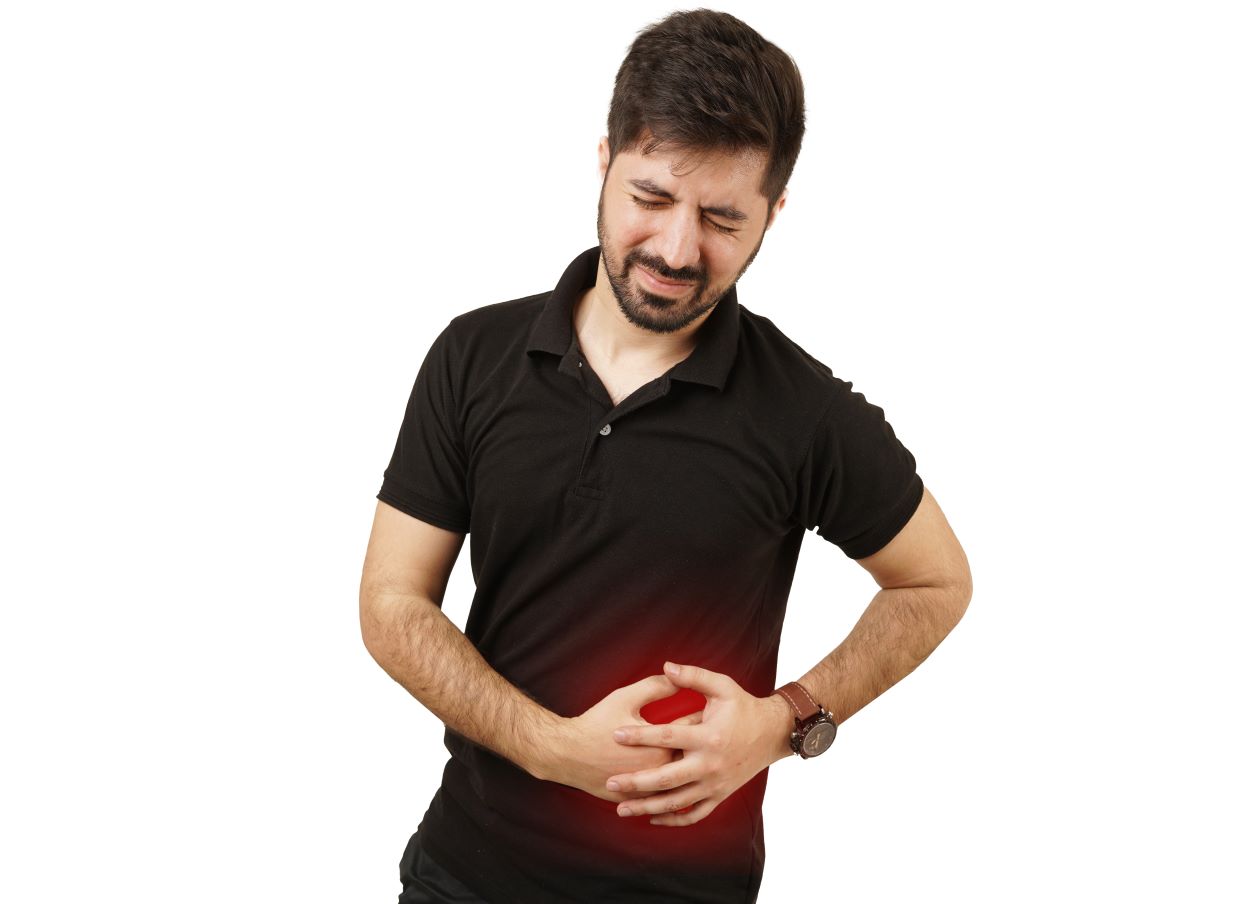
Symptoms often occur when a stone moves into the ureter or causes obstruction.
Common symptoms include:
-
Severe flank pain
-
Lower back pain
-
Pain that may radiate toward the lower abdomen or groin
-
Blood in the urine
-
Nausea
-
Vomiting
-
Burning during urination
-
Frequent urination
-
Difficulty passing urine
The severity of pain does not always correspond to the size of the stone.
Can Small Kidney Stones Cause Severe Pain?
Yes.
A relatively small stone can cause severe pain if it moves into the ureter and obstructs urine flow.
On the other hand, a larger stone may cause fewer symptoms if it remains in a stable position inside the kidney.
This is why treatment decisions are based on more than stone size alone.
How Are Kidney Stones Diagnosed?
A detailed evaluation helps determine the size, location, and possible type of stone.
Ultrasound
Ultrasound can help detect:
-
Kidney stones
-
Kidney swelling
-
Hydronephrosis
-
Structural abnormalities
CT Scan
A non-contrast CT scan can provide detailed information about:
-
Stone size
-
Stone location
-
Number of stones
-
Urinary obstruction
Blood Tests
Blood investigations may include:
-
Serum creatinine
-
eGFR
-
Calcium
-
Uric acid
-
Electrolytes
These tests help assess kidney function and possible metabolic risk factors.
Urine Tests
Urine testing may identify:
-
Blood
-
Infection
-
Crystals
-
Urine pH
-
Other abnormalities
Patients with recurrent kidney stones may require additional metabolic evaluation.
Treatment for Common Kidney Stones
The appropriate treatment depends on:
-
Stone size
-
Stone location
-
Symptoms
-
Urinary obstruction
-
Infection
-
Kidney function
-
Stone type
Treatment options may include observation, medicines, or procedures.
Observation for Small Stones
Some small stones may pass naturally.
During observation, the doctor may recommend:
-
Pain management
-
Follow-up imaging
-
Appropriate fluid intake
-
Medicines in selected cases
Medical supervision is important to ensure that obstruction or infection does not develop.
Medicines
Medicines may help manage:
-
Pain
-
Nausea
-
Urinary symptoms
Selected medicines may also assist the passage of certain ureteral stones.
The choice of medication should consider the patient's kidney function and other medical conditions.
ESWL
Extracorporeal Shock Wave Lithotripsy (ESWL) uses shock waves to break selected stones into smaller fragments.
The fragments may then pass through the urinary tract.
ESWL is suitable for selected stones depending on their size, location, and other characteristics.
Ureteroscopy and Laser Treatment
Ureteroscopy involves passing a thin instrument through the urinary tract to reach the stone.
Laser energy may then be used to fragment the stone.
This treatment may be used for selected ureteral and kidney stones.
RIRS
Retrograde Intrarenal Surgery (RIRS) is a minimally invasive procedure used for selected stones inside the kidney.
A flexible scope is used to access the kidney, and laser treatment may fragment the stone.
PCNL
Percutaneous Nephrolithotomy (PCNL) may be considered for larger or complex kidney stones.
It allows direct access to the kidney through a small opening in the skin so that the stone can be fragmented and removed.
Kidney Stones and Urinary Obstruction
A kidney stone can sometimes block the normal flow of urine.
Obstruction may lead to:
-
Hydronephrosis
-
Severe pain
-
Increased risk of infection
-
Reduced kidney function
Persistent obstruction requires medical evaluation.
If obstruction occurs together with infection, urgent treatment may be necessary.
Kidney Stones and Infection
A stone combined with urinary infection can become serious.
Seek prompt medical care if kidney stone symptoms occur with:
-
Fever
-
Chills
-
Severe weakness
-
Persistent vomiting
-
Difficulty passing urine
A blocked urinary tract with infection can require urgent drainage and antibiotic treatment.
How Can Common Kidney Stones Be Prevented?
Prevention depends on the type and cause of the stone.
General measures may include:
-
Drinking an appropriate amount of fluid
-
Reducing excessive salt intake
-
Maintaining a healthy body weight
-
Eating a balanced diet
-
Maintaining normal dietary calcium unless otherwise advised
-
Avoiding unnecessary excessive dietary restrictions
-
Completing metabolic testing for recurrent stones
Patients who have passed a stone should ask their doctor whether stone analysis is appropriate.
Why Stone Analysis Is Important
If a kidney stone is collected after passing or removal, laboratory analysis may help identify its composition.
This information can help guide future prevention.
For example, prevention strategies for:
-
Calcium oxalate stones
-
Uric acid stones
-
Struvite stones
-
Cystine stones
may differ.
Understanding the stone type allows for a more personalized prevention plan.
When Should You See a Kidney Specialist?
Consult a super specialist nephrologist if you have:
-
Recurrent kidney stones
-
Severe or persistent flank pain
-
Blood in the urine
-
Repeated urinary tract infections
-
High creatinine
-
Reduced eGFR
-
A family history of recurrent stones
-
Multiple kidney stones
-
Kidney stones with chronic kidney disease
A detailed evaluation can help identify factors contributing to repeated stone formation.
Role of a Nephrologist in Recurrent Kidney Stone Care
A nephrologist can help evaluate the medical and metabolic factors associated with recurrent stones.
At Prabhakar Bhurke Clinic, Dr. Sandip Prabhakar Bhurke, a super specialist nephrologist, provides care that may include:
-
Kidney function evaluation
-
Metabolic assessment
-
Recurrent kidney stone prevention
-
Blood pressure management
-
Chronic kidney disease care
-
Dietary and lifestyle guidance
-
Evaluation of abnormal urine tests
-
Long-term kidney monitoring
When a procedure is required to remove a stone, appropriate urology specialists can be involved.
Why Choose Prabhakar Bhurke Clinic?
Patients choose Prabhakar Bhurke Clinic for:
-
Consultation with Dr. Sandip Prabhakar Bhurke
-
Care from a super specialist nephrologist
-
Comprehensive kidney function testing
-
Recurrent kidney stone evaluation
-
Personalized prevention strategies
-
Management of chronic kidney disease
-
Guidance regarding kidney stone treatment
-
Long-term kidney health monitoring
-
Coordination with appropriate urology specialists for stone procedures
The focus is on both managing the current kidney stone and reducing the risk of future stones.
Frequently Asked Questions
What is the most common type of kidney stone?
Calcium-containing stones, particularly calcium oxalate stones, are among the most common types of kidney stones.
Can kidney stones pass naturally?
Some small stones may pass naturally, particularly depending on their size and location. Other stones may require medical or procedural treatment.
Can diet cause kidney stones?
Diet can influence the risk of certain stones, but kidney stone formation usually involves multiple factors including fluid intake, metabolism, genetics, and underlying medical conditions.
Can kidney stones damage the kidneys?
Persistent obstruction or infection associated with kidney stones can affect kidney function and may cause complications if not appropriately treated.
How can I know what type of kidney stone I have?
Stone analysis can identify the composition of a passed or removed stone. Blood tests and urine studies may also help identify risk factors.
Are all kidney stones treated the same way?
No. Treatment depends on stone type, size, location, symptoms, obstruction, infection, and kidney function.
Conclusion
Understanding common kidney stones is important because different stones can have different causes, risks, and prevention strategies. Calcium oxalate, calcium phosphate, uric acid, struvite, and cystine stones may each require individualized medical evaluation.
While some kidney stones can pass naturally, others may require treatment with medicines, ESWL, laser procedures, RIRS, or PCNL. Accurate diagnosis helps doctors choose the safest and most effective approach.
At Prabhakar Bhurke Clinic, Dr. Sandip Prabhakar Bhurke, a super specialist nephrologist, provides comprehensive evaluation and long-term kidney care for patients with kidney stones and recurrent stone problems. Through kidney function assessment, metabolic evaluation, prevention planning, and coordination with appropriate specialists, the goal is to protect kidney health and reduce future stone formation.
Book an Appointment Today
If you are experiencing kidney stone pain, recurrent kidney stones, blood in the urine, urinary infections, high creatinine, reduced eGFR, or persistent flank pain, consult Dr. Sandip Prabhakar Bhurke, super specialist nephrologist at Prabhakar Bhurke Clinic.
A detailed evaluation can help identify the type and cause of your kidney stone and create a personalized treatment and prevention plan.
Medical Disclaimer
This article is intended for general educational purposes only and does not replace professional medical advice, diagnosis, or treatment. Kidney stone treatment and prevention depend on individual factors such as stone size, location, composition, kidney function, infection, and urinary obstruction. Seek urgent medical attention for severe pain with fever or chills, persistent vomiting, difficulty passing urine, very low urine output, or other serious symptoms.