Introduction
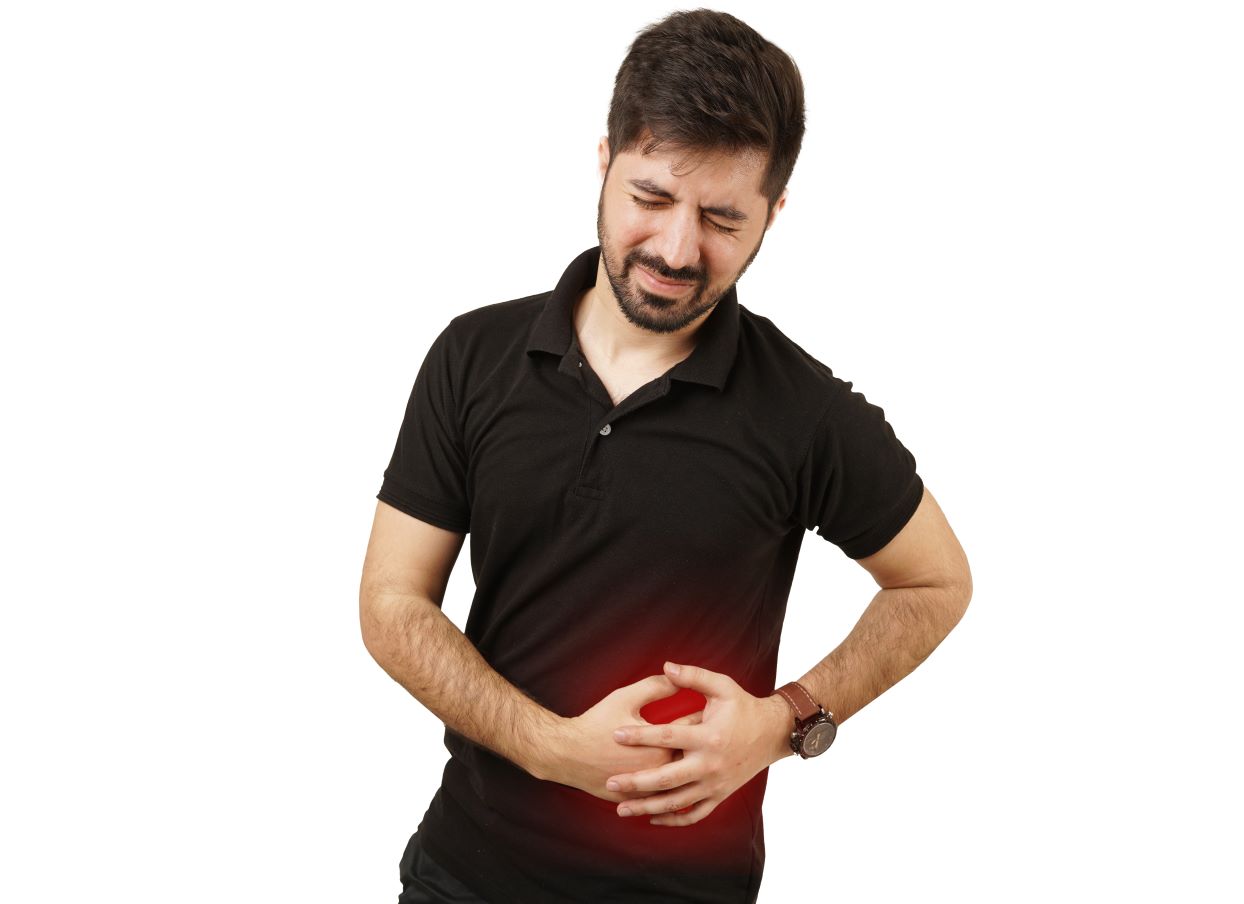
Kidney stone Unani treatment is a commonly searched option by people looking for traditional or herbal approaches to manage renal stones. Unani medicine has a long history of using plant-based and traditional preparations for urinary and kidney-related complaints. However, the appropriate treatment for a kidney stone depends on its size, location, composition, symptoms, obstruction, infection, and kidney function.
Some small kidney stones may pass naturally with appropriate medical guidance. In other cases, medication or a procedure may be necessary. Traditional remedies should not delay evaluation, particularly when a stone is causing urinary obstruction or is associated with infection.
It is also important to understand that there is no reliably established Unani or herbal treatment that can dissolve every type of kidney stone. Most calcium-based stones cannot be dissolved with medicines. Selected uric acid stones may sometimes be dissolved through medically supervised urine alkalinization.
At Prabhakar Bhurke Clinic, Dr. Sandip Prabhakar Bhurke, a super specialist nephrologist, provides comprehensive kidney evaluation, kidney stone assessment, metabolic evaluation, prevention guidance, and coordinated care when urological treatment is required.
What Are Kidney Stones?
Kidney stones, also called renal calculi, are hard deposits that develop when certain substances in the urine become concentrated and form crystals.
Common types include:
-
Calcium oxalate stones
-
Calcium phosphate stones
-
Uric acid stones
-
Struvite stones
-
Cystine stones
The type of stone matters because different stones have different causes, prevention strategies, and treatment options.
Can Unani Treatment Remove Kidney Stones?
The answer depends on the individual stone.
Traditional or Unani preparations may be used by some patients to support urinary symptoms, but there is insufficient reliable clinical evidence to conclude that Unani medicines can consistently eliminate or dissolve kidney stones of different types and sizes.
A small stone may pass naturally regardless of whether a traditional remedy is used. Therefore, improvement after taking a remedy does not necessarily prove that the remedy dissolved the stone.
Medical assessment is important to determine whether observation is safe.
When May a Kidney Stone Pass Naturally?
Some smaller stones can pass through the urinary tract without a procedure.
The likelihood of spontaneous passage depends on factors such as:
-
Stone size
-
Stone location
-
Shape of the stone
-
Anatomy of the urinary tract
-
Degree of obstruction
-
Presence or absence of infection
-
Kidney function
-
Symptoms
A healthcare professional can determine whether observation and medical management are appropriate.
Larger stones are less likely to pass naturally and may require active treatment.
Kidney Stone Symptoms
Kidney stones may cause different symptoms depending on their location and whether they obstruct urine flow.
Common symptoms include:
-
Severe flank or side pain
-
Pain radiating toward the lower abdomen or groin
-
Blood in the urine
-
Nausea
-
Vomiting
-
Burning during urination
-
Frequent urination
-
Urinary urgency
-
Difficulty passing urine
Some kidney stones cause no symptoms and are discovered incidentally during imaging.
Kidney Stone and Urinary Infection
A kidney stone can sometimes contribute to urinary obstruction, while certain types of stones can develop in association with infection.
Symptoms of infection may include:
-
Fever
-
Chills
-
Flank pain
-
Burning urination
-
Cloudy urine
-
Nausea or vomiting
-
Weakness
A urinary infection occurring behind an obstructing stone can be a medical emergency.
Such situations may require urgent drainage of the urinary tract and appropriate antibiotics before definitive stone treatment.
Unani remedies, herbal preparations, or home remedies should not be used as a substitute for urgent medical care in this situation.
How Are Kidney Stones Diagnosed?
At Prabhakar Bhurke Clinic, Dr. Sandip Prabhakar Bhurke evaluates the patient's symptoms, kidney function, and risk factors before recommending a management plan.
Medical Evaluation
The assessment may include:
-
Pain history
-
Previous kidney stones
-
Urinary symptoms
-
Medication history
-
Dietary habits
-
Fluid intake
-
Medical conditions
-
Family history of stones
Blood Tests
Depending on the situation, investigations may include:
-
Serum creatinine
-
eGFR
-
Blood urea nitrogen
-
Electrolytes
-
Calcium
-
Uric acid
-
Other metabolic tests when required
Urine Tests
Testing may include:
-
Urinalysis
-
Urine microscopy
-
Urine culture when infection is suspected
-
Urine pH
-
Urine protein assessment when indicated
Imaging
Depending on symptoms, imaging may include:
-
Kidney ultrasound
-
Non-contrast CT scan
-
Other imaging when clinically appropriate
Imaging helps determine the stone's size, location, degree of obstruction, and effect on the urinary system.
What Is the Medical Treatment for Kidney Stones?
Treatment is selected according to the individual patient's condition.
Observation
Selected small, uncomplicated stones may be monitored while waiting for spontaneous passage.
Follow-up may be necessary to ensure that the stone has passed and kidney drainage remains satisfactory.
Medicines
Depending on the stone and symptoms, a doctor may prescribe medicines for:
-
Pain relief
-
Nausea
-
Selected ureteral stones to facilitate passage
-
Infection when bacterial infection is present
-
Prevention of recurrent stones based on metabolic findings
Not every medicine is appropriate for every patient, particularly those with CKD or other medical conditions.
ESWL
Extracorporeal Shock Wave Lithotripsy (ESWL) uses externally generated shock waves to break selected kidney or ureter stones into smaller fragments.
Suitability depends on:
-
Stone size
-
Stone location
-
Stone composition or density
-
Anatomy
-
Obstruction
-
Other patient-specific factors
Ureteroscopy and Laser Lithotripsy
During ureteroscopy, a urologist uses an endoscope to reach the stone and may fragment it with a laser.
This is a minimally invasive procedure and may be appropriate for selected kidney or ureteral stones.
RIRS
Retrograde Intrarenal Surgery (RIRS) is an endoscopic technique used to treat selected kidney stones by accessing the kidney through the urinary tract.
PCNL
Percutaneous Nephrolithotomy (PCNL) is commonly used for larger or complex kidney stones.
A urologist generally performs ESWL, ureteroscopy, RIRS, and PCNL.
Does Unani Medicine Dissolve Kidney Stones?
This depends on the type of stone, but patients should be cautious about claims that herbal or Unani medicines can dissolve all kidney stones.
Most calcium stones do not have a medication that reliably dissolves them.
Selected uric acid stones may sometimes be dissolved by increasing urine pH through medically supervised urine alkalinization. This is different from taking an unverified herbal stone-dissolving product.
The stone's composition should therefore be considered before choosing any treatment.
Is Drinking More Water Enough?
Adequate fluid intake can be an important part of kidney stone prevention and may support passage of selected small stones.
However, drinking excessive amounts of water does not guarantee that a stone will pass.
Forced fluid intake can also be inappropriate in some circumstances, particularly when there is:
-
Significant urinary obstruction
-
Advanced kidney disease
-
Heart failure
-
Reduced urine output
-
Fluid overload
Your doctor should determine the appropriate fluid intake for your condition.
Can Lemon Water Help Kidney Stones?
Citrus beverages can provide citrate, which may help reduce the risk of certain calcium stones in some people.
However, lemon water should not be considered a treatment that reliably dissolves an existing kidney stone.
For recurrent stone formers, prevention should be based on the individual's stone type and metabolic evaluation.
Risks of Unverified Herbal or Unani Remedies
Patients should be careful with products marketed as:
-
Kidney stone dissolvers
-
Herbal stone breakers
-
Kidney cleanses
-
Natural renal stone cures
-
Guaranteed stone-removal medicines
Potential concerns include:
-
Lack of reliable evidence
-
Unknown ingredients or doses
-
Drug interactions
-
Possible kidney toxicity
-
Delayed treatment of obstruction
-
Delayed treatment of infection
Tell your nephrologist about any traditional, herbal, or Unani products you are taking.
Kidney Stone Prevention
Preventing another stone is often as important as treating the current stone.
Depending on your medical condition, prevention may involve:
Adequate Fluid Intake
Maintain sufficient fluid intake to produce an appropriate urine volume, unless your doctor has advised fluid restriction.
Reduce Excess Salt
High sodium intake can increase urinary calcium in susceptible individuals.
Maintain a Balanced Diet
Dietary recommendations depend on the type of stone.
Do Not Excessively Restrict Dietary Calcium
For many calcium stone formers, normal dietary calcium intake is preferred rather than unnecessarily eliminating calcium from the diet.
Moderate Animal Protein
Excessive animal protein may increase the risk of certain types of stones.
Stone Analysis
If a stone is recovered, laboratory analysis can help identify its composition.
24-Hour Urine Testing
Patients with recurrent or high-risk stones may benefit from metabolic evaluation, including 24-hour urine testing.
When Should You See a Nephrologist?
Consult a super specialist nephrologist if you have:
-
Recurrent kidney stones
-
High creatinine
-
Reduced eGFR
-
Multiple kidney stones
-
Kidney stones in both kidneys
-
Abnormal calcium or uric acid levels
-
Recurrent urinary infections
-
Protein in the urine
-
A history of kidney disease
-
Kidney stones associated with urinary obstruction
A nephrologist can assess kidney function and investigate factors that increase the risk of recurrent stones.
When Is Kidney Stone Pain an Emergency?
Seek urgent medical attention if you have a suspected kidney stone together with:
-
Fever or chills
-
Severe or rapidly worsening pain
-
Persistent vomiting
-
Difficulty passing urine
-
Very low or no urine output
-
Severe weakness
-
Confusion
-
Known urinary obstruction
Fever with an obstructing urinary stone requires urgent medical evaluation.
Do not delay treatment while trying home remedies or traditional medicines.
Role of a Nephrologist and Urologist
Kidney stone care may involve both specialties.
Nephrologist
A nephrologist focuses on:
-
Kidney function
-
Recurrent stone evaluation
-
Metabolic risk factors
-
Prevention strategies
-
Associated CKD
-
Electrolyte abnormalities
-
Long-term kidney health
Urologist
A urologist generally manages:
-
Stone-removal procedures
-
Ureteroscopy
-
Laser lithotripsy
-
RIRS
-
PCNL
-
ESWL
-
Urinary stents and other drainage procedures
Working together can provide comprehensive care for patients with complex or recurrent stones.
Why Choose Prabhakar Bhurke Clinic?
At Prabhakar Bhurke Clinic, patients receive individualized evaluation and evidence-based kidney care.
Services include:
-
Consultation with Dr. Sandip Prabhakar Bhurke, a super specialist nephrologist
-
Comprehensive kidney function assessment
-
Kidney stone evaluation
-
Recurrent stone and metabolic evaluation
-
Dietary and prevention guidance
-
Management of associated kidney disease
-
Assessment of urinary obstruction and kidney complications
-
Dialysis planning when medically required
-
Kidney transplant evaluation and guidance
-
Coordination with experienced urology specialists when stone procedures are required
-
Long-term kidney health monitoring
The goal is to identify the cause of kidney stones, choose an appropriate treatment strategy, and reduce the risk of recurrence.
Frequently Asked Questions
Is kidney stone Unani treatment effective?
The effectiveness depends on the specific treatment and stone type, but there is not reliable evidence that Unani medicines can consistently dissolve or remove all types of kidney stones. Medical evaluation should guide treatment.
Can Unani medicine dissolve a 10 mm kidney stone?
A 10 mm stone is relatively large and is less likely to pass naturally. It should be evaluated based on its location, obstruction, symptoms, and other factors. Do not rely on unproven remedies to avoid appropriate treatment.
Can herbal medicine remove kidney stones?
There is no universally proven herbal medicine that reliably removes all kidney stones. Some selected stones may respond to specific medical therapies, depending on their composition.
Is drinking lots of water enough to pass a kidney stone?
Not always. Adequate hydration may support passage of selected small stones, but excessive water does not guarantee passage and may be unsafe in some patients.
Can kidney stones damage the kidneys?
Persistent obstruction, recurrent infections, or severe stone disease can impair kidney function. Early evaluation and appropriate treatment can help prevent complications.
Should I take Unani or herbal medicine along with my prescribed treatment?
Discuss any traditional or herbal medicine with your doctor before taking it. Some products can interact with prescribed medicines or potentially affect kidney function.
Which doctor treats kidney stones?
A nephrologist evaluates kidney function, recurrent stone causes, and prevention. A urologist generally performs procedures to remove or fragment stones when required.
Conclusion
Kidney stone Unani treatment may appeal to patients seeking traditional approaches, but treatment should be based on the stone's size, location, composition, symptoms, kidney function, and presence of obstruction or infection. Traditional remedies should not replace appropriate medical assessment.
Some small stones may pass naturally with medical supervision, while larger, obstructing, or complicated stones may require active treatment such as ESWL, ureteroscopy with laser lithotripsy, RIRS, or PCNL. Most calcium stones cannot be dissolved with medicines, while selected uric acid stones may be treated with medically supervised urine alkalinization.
At Prabhakar Bhurke Clinic, Dr. Sandip Prabhakar Bhurke, a super specialist nephrologist, provides comprehensive kidney evaluation, metabolic assessment, recurrent stone prevention, and long-term kidney care. When a procedure is necessary, appropriate urology specialists can be involved for coordinated treatment.
Book an Appointment Today
If you have kidney stones, recurrent stone pain, blood in the urine, urinary symptoms, high creatinine, reduced eGFR, recurrent urinary infections, or concerns about Unani treatment for kidney stones, schedule a consultation at Prabhakar Bhurke Clinic.
Dr. Sandip Prabhakar Bhurke, a super specialist nephrologist, can assess your kidney function, evaluate your stone-related risk factors, explain appropriate treatment options, and develop an individualized kidney-care plan.
Medical Disclaimer
This article is intended for general educational purposes only and does not replace professional medical advice, diagnosis, or treatment. The safety and effectiveness of traditional, Unani, or herbal treatments can vary, and unproven remedies should not replace medically appropriate kidney stone evaluation. Kidney stones associated with fever, chills, severe pain, persistent vomiting, difficulty passing urine, or very low urine output require prompt medical attention.