Introduction
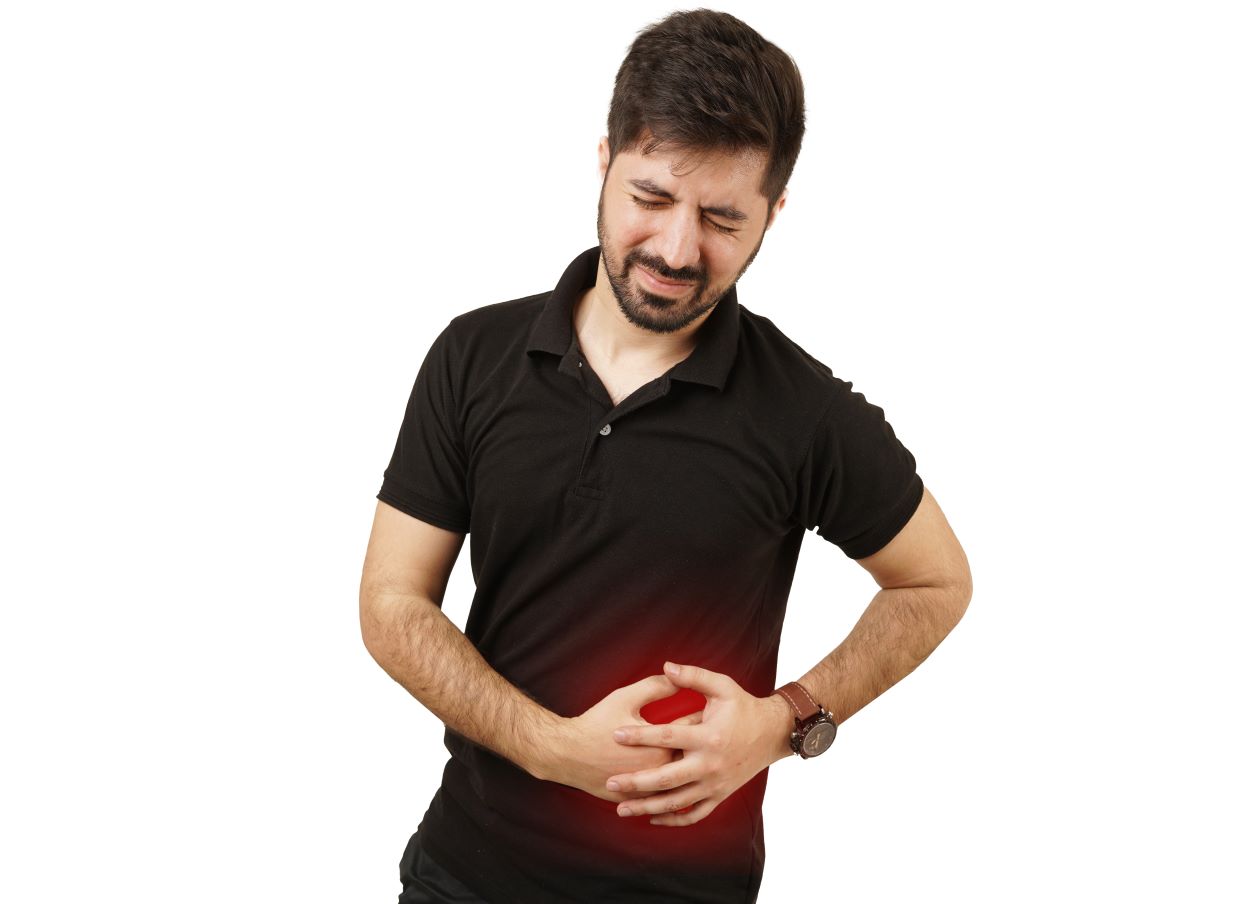
Kidney stones can cause sudden, severe pain in the back, side, abdomen, or groin. This pain, commonly known as renal colic, can occur when a stone moves through the urinary tract or blocks urine flow.
Many patients search for the best medicine for kidney stone pain relief because the pain can be extremely uncomfortable. Although pain-relieving medicines can provide significant relief, the appropriate medicine depends on the patient's kidney function, medical history, stone size, stone location, and presence of complications.
Self-medicating with painkillers is not always safe, particularly for people with chronic kidney disease, high creatinine, reduced eGFR, stomach ulcers, heart disease, or other medical conditions.
At Prabhakar Bhurke Clinic, our super specialist nephrologist provides comprehensive kidney stone evaluation, kidney-function assessment, personalized pain-management guidance, stone prevention, and long-term kidney care. When a procedure is required, treatment can be coordinated with an experienced urologist.
Why Do Kidney Stones Cause Severe Pain?
Kidney stone pain usually occurs when a stone enters the ureter, the narrow tube connecting the kidney to the bladder.
The stone can cause:
-
Blockage of urine flow
-
Increased pressure inside the kidney
-
Ureteral muscle spasms
-
Irritation of the urinary tract
Pain may come in waves and can move from the flank or lower back toward the abdomen or groin.
Common Symptoms of Kidney Stone Pain
Kidney stones may cause:
-
Severe flank or back pain
-
Pain radiating toward the lower abdomen or groin
-
Pain that comes and goes in waves
-
Blood in the urine
-
Burning while urinating
-
Frequent urination
-
Nausea
-
Vomiting
-
Difficulty passing urine
The severity of symptoms does not always indicate the size of the stone, so medical assessment is important.
Medicine for Kidney Stone Pain Relief
The appropriate pain medicine depends on the patient's health and kidney function.
Nonsteroidal Anti-Inflammatory Drugs (NSAIDs)
NSAIDs are commonly used for acute renal colic because they can reduce inflammation and pain.
Examples include medicines such as:
-
Ibuprofen
-
Diclofenac
-
Naproxen
However, NSAIDs are not suitable for everyone.
They may be unsafe or require special medical supervision in people with:
-
Chronic kidney disease
-
Reduced kidney function
-
High creatinine
-
Kidney failure
-
Dehydration
-
Stomach ulcers or gastrointestinal bleeding
-
Certain heart conditions
-
Some blood-thinning medications
Therefore, patients should not repeatedly take NSAIDs without medical advice.
Paracetamol (Acetaminophen)
Paracetamol may be used for pain relief in selected patients.
It may be considered when NSAIDs are unsuitable, depending on the patient's medical history.
The correct dose should be determined according to age, health conditions, other medicines, and liver health.
Avoid exceeding the recommended dose.
Prescription Pain Medicines
For severe pain that does not respond adequately to other medicines, a doctor may prescribe stronger pain-relieving medication for a short period.
These medicines should only be taken under medical supervision because they may cause:
-
Drowsiness
-
Nausea
-
Constipation
-
Dependence or misuse
Medicines That Help a Stone Pass
Pain medicines do not remove a kidney stone.
In selected patients with certain ureteral stones, doctors may prescribe medical expulsive therapy to help facilitate stone passage.
The choice of medicine depends on:
-
Stone size
-
Stone location
-
Patient's blood pressure
-
Kidney function
-
Other medical conditions
Not every kidney stone requires medical expulsive therapy.
Can Drinking Water Relieve Kidney Stone Pain?
Adequate hydration is important for kidney health, but drinking excessive amounts of water does not provide instant pain relief and can sometimes worsen discomfort if urine flow is significantly obstructed.
Patients with:
-
Severe obstruction
-
Persistent vomiting
-
Kidney failure
-
Fluid restrictions
-
Significant heart or kidney disease
should follow individualized fluid recommendations from their doctor.
Home Measures for Temporary Comfort
While waiting for medical evaluation, some patients may find temporary relief from:
Gentle Warmth
A warm compress applied to the painful area may help some people relax and reduce discomfort.
Rest
Resting in a comfortable position may make severe pain easier to tolerate.
Appropriate Fluid Intake
Drink fluids according to your doctor's advice rather than forcing large amounts of water.
These measures do not replace medical treatment when a stone is obstructing the urinary tract or causing complications.
When Is Kidney Stone Pain an Emergency?
Seek urgent medical attention if kidney stone pain occurs with:
-
Fever or chills
-
Severe or uncontrolled pain
-
Persistent vomiting
-
Difficulty passing urine
-
Very low urine output
-
Blood in the urine with worsening symptoms
-
Severe weakness or confusion
-
Known kidney disease
-
A single functioning kidney
A blocked urinary tract combined with infection can become a serious medical emergency.
How Are Kidney Stones Diagnosed?
At Prabhakar Bhurke Clinic, our super specialist nephrologist may recommend a detailed evaluation.
Blood Tests
Tests may include:
-
Serum creatinine
-
eGFR
-
Blood urea nitrogen (BUN)
-
Electrolytes
-
Calcium
-
Uric acid
-
Complete blood count
These tests help evaluate kidney function and identify complications.
Urine Tests
Urine investigations may include:
-
Routine urinalysis
-
Urine microscopy
-
Urine culture
-
Protein testing
-
Urine pH
These tests help detect blood, infection, and other urinary abnormalities.
Imaging
Depending on the clinical situation, imaging may include:
-
Kidney ultrasound
-
Non-contrast CT scan
-
X-ray in selected cases
Imaging helps determine:
-
Stone size
-
Stone location
-
Urinary obstruction
-
Hydronephrosis
-
Number of stones
What If Medicine Does Not Relieve the Pain?
If pain persists or the stone is unlikely to pass naturally, a procedure may be necessary.
Depending on the stone's size and location, treatment may include:
ESWL
Extracorporeal Shock Wave Lithotripsy (ESWL) uses shock waves to break selected stones into smaller fragments.
Ureteroscopy
A small scope is passed through the urinary tract to locate and remove or fragment the stone.
RIRS
Retrograde Intrarenal Surgery (RIRS) uses a flexible scope and laser technology to treat selected kidney stones.
PCNL
Percutaneous Nephrolithotomy (PCNL) is commonly used for larger or complex kidney stones.
A ureteral stent may sometimes be placed before or after a procedure to maintain urine drainage.
How to Prevent Future Kidney Stones
Treating the current stone is only part of kidney stone care.
To reduce recurrence, your doctor may recommend:
-
Adequate fluid intake when medically appropriate
-
Reducing excessive salt
-
Maintaining appropriate dietary calcium
-
Moderating excessive animal protein
-
Maintaining a healthy weight
-
Treating urinary infections promptly
-
Stone analysis
-
Blood testing
-
24-hour urine evaluation for recurrent stone formers
Prevention should be personalized according to the type of kidney stone.
Kidney Stone Pain Relief When You Have Kidney Disease
People with chronic kidney disease require special caution when choosing pain medicines.
If you have:
-
High creatinine
-
Low eGFR
-
Chronic kidney disease
-
Kidney failure
-
One functioning kidney
do not routinely self-medicate with NSAIDs without medical advice.
Your nephrologist can recommend the safest pain-management approach based on your kidney function and other health conditions.
Why Choose Prabhakar Bhurke Clinic?
Patients choose Prabhakar Bhurke Clinic because we provide:
-
Consultation with a super specialist nephrologist
-
Comprehensive kidney stone evaluation
-
Kidney-function assessment
-
Personalized pain-management guidance
-
Recurrent kidney stone evaluation
-
Metabolic stone testing
-
High creatinine and reduced eGFR assessment
-
Chronic kidney disease management
-
Dialysis and kidney failure care
-
Kidney transplant evaluation
-
Coordination with experienced urologists for ESWL, RIRS, ureteroscopy, and PCNL
-
Long-term kidney health monitoring
-
Compassionate, evidence-based care
Our goal is to relieve symptoms safely, identify the cause of stone formation, protect kidney function, and reduce the risk of future stones.
Frequently Asked Questions (FAQs)
What is the best medicine for kidney stone pain relief?
NSAIDs are commonly used for acute renal colic when medically appropriate, but they are not safe for everyone. The safest medicine depends on kidney function and the patient's overall health.
Can I take ibuprofen for kidney stone pain?
Some people may use ibuprofen for acute stone pain, but it may be unsafe in people with kidney disease, dehydration, kidney failure, or certain other conditions. Consult a doctor before using it if you have kidney problems.
Does paracetamol help kidney stone pain?
Paracetamol can provide pain relief in some patients and may be considered when NSAIDs are unsuitable. Appropriate dosing is important.
Does pain medicine remove kidney stones?
No. Pain medicines relieve symptoms but do not remove the stone. Some small stones may pass naturally, while others require medication or a procedure.
Should I drink lots of water during kidney stone pain?
Do not force excessive amounts of water. Adequate hydration may be appropriate, but fluid intake should be individualized, especially when obstruction, vomiting, kidney disease, or fluid restriction is present.
Which doctor should I consult for kidney stone pain?
A super specialist nephrologist can assess kidney function, complications, recurrence risk, and preventive care. A urologist may perform procedures when stone removal is required.
Conclusion
Finding the right medicine for kidney stone pain relief can provide important comfort, but pain management should always be combined with appropriate medical evaluation. NSAIDs, paracetamol, and prescription medicines may be used in selected patients, but the safest option depends on kidney function and other medical conditions.
Severe pain accompanied by fever, chills, vomiting, reduced urine output, or difficulty passing urine requires urgent medical attention because an obstructed and infected kidney can become a serious medical emergency.
At Prabhakar Bhurke Clinic, our super specialist nephrologist provides expert kidney stone evaluation, kidney-function testing, personalized treatment, metabolic stone assessment, recurrence prevention, and long-term kidney care. When stone removal is necessary, we coordinate with experienced urologists for appropriate procedural treatment.
Book an Appointment Today
If you are experiencing severe kidney stone pain, recurrent stones, blood in the urine, urinary obstruction, hydronephrosis, high creatinine, reduced eGFR, or persistent urinary symptoms, schedule a consultation at Prabhakar Bhurke Clinic. Our super specialist nephrologist will evaluate your condition and develop a personalized treatment and prevention plan to relieve symptoms safely and protect your long-term kidney health.