Introduction
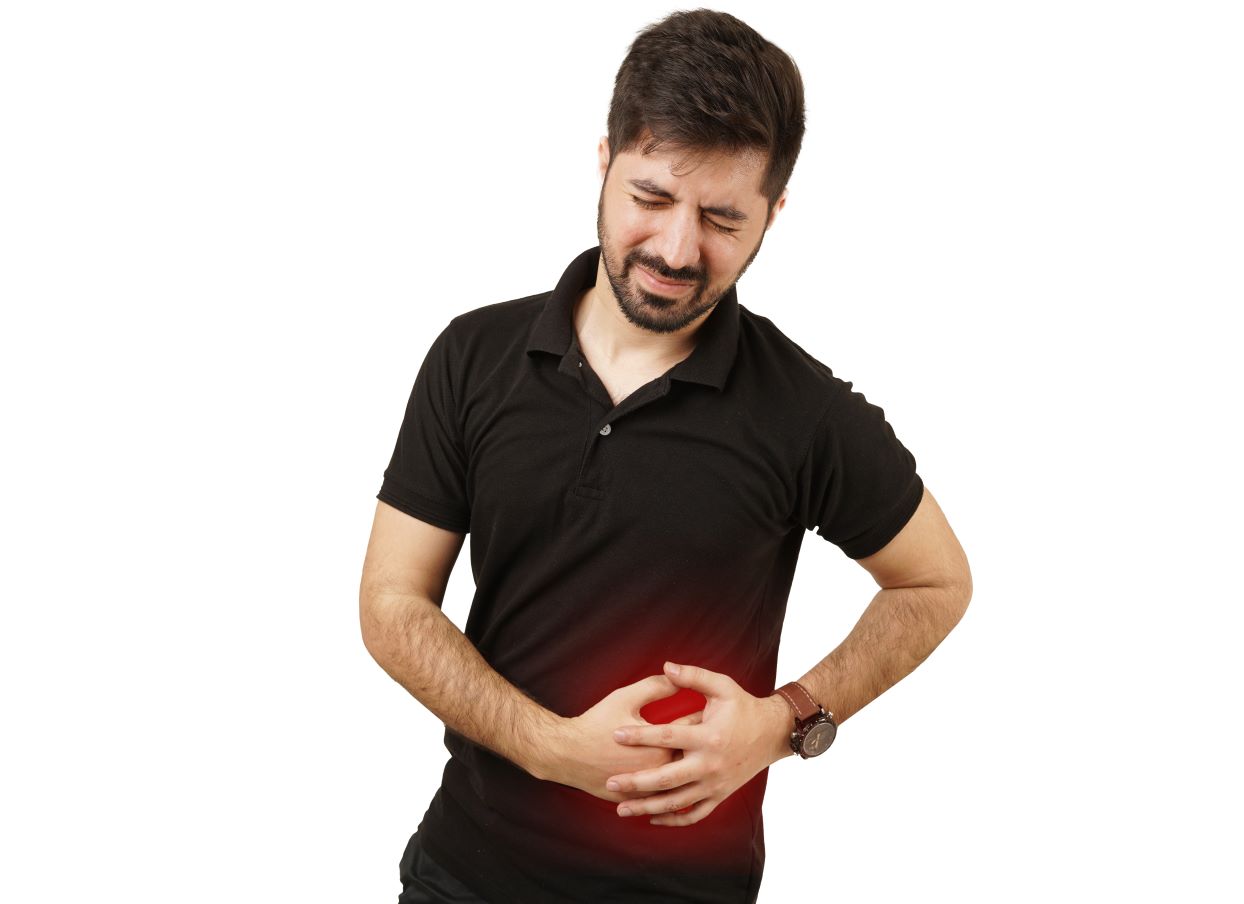
Mild kidney stone pain is often an early sign that a kidney stone is present and may be moving within the kidney or urinary tract. While many people associate kidney stones with severe, unbearable pain, some stones cause only mild discomfort, intermittent flank pain, or a dull aching sensation in the back or side.
Even mild kidney stone pain should not be ignored because stones can increase in size, move into the ureter, cause urinary obstruction, trigger infection, or affect kidney function. Early evaluation and treatment can help relieve symptoms, prevent complications, and reduce the risk of future kidney stones.
At Prabhakar Bhurke Clinic, our super specialist nephrologist provides comprehensive kidney stone evaluation, advanced diagnostic testing, personalized treatment plans, stone prevention strategies, dialysis care, kidney transplant evaluation, and long-term kidney health management.
What Does Mild Kidney Stone Pain Feel Like?
Mild kidney stone pain may be different from the classic severe pain of renal colic.
Patients may experience:
-
A dull ache in the side or back
-
Mild flank discomfort
-
Intermittent pain that comes and goes
-
Discomfort below the ribs
-
Pain that worsens with movement in some cases
-
Mild lower abdominal discomfort
The pain may occur on one side or, less commonly, both sides.
Why Does a Kidney Stone Cause Mild Pain?
A small kidney stone may irritate the lining of the kidney or urinary tract without causing complete obstruction.
Pain may occur because of:
-
Stone movement within the kidney
-
Mild stretching of the urinary tract
-
Irritation of the ureter
-
Partial blockage of urine flow
Small stones often produce less severe symptoms than larger obstructing stones.
Common Symptoms Associated with Mild Kidney Stone Pain
In addition to mild flank discomfort, symptoms may include:
-
Frequent urination
-
Burning during urination
-
Blood in the urine
-
Cloudy urine
-
Mild nausea
-
Feeling of incomplete bladder emptying
-
Occasional pain radiating toward the groin
Some patients have no symptoms and are diagnosed during routine imaging.
Can Mild Kidney Stone Pain Become Severe?
Yes. A small stone can move from the kidney into the ureter, causing renal colic, which may produce:
-
Sudden severe flank pain
-
Pain radiating to the groin
-
Nausea and vomiting
-
Restlessness
-
Difficulty finding a comfortable position
Therefore, persistent mild pain should be evaluated before complications develop.
Causes of Kidney Stones
Several factors increase the risk of stone formation.
Low Water Intake
Concentrated urine increases crystal formation.
High Salt Intake
Excess sodium increases calcium excretion in urine.
Obesity
Excess body weight increases stone risk.
Diabetes
Diabetes is associated with certain types of kidney stones.
High Uric Acid Levels
May contribute to uric acid stones.
Family History
Genetics plays an important role in recurrent stone disease.
Previous Kidney Stones
Patients with one kidney stone are at increased risk of recurrence.
Types of Kidney Stones
Calcium Stones
The most common type of kidney stone.
Uric Acid Stones
Associated with high uric acid levels and gout.
Struvite Stones
Usually related to urinary tract infections.
Cystine Stones
Rare stones caused by inherited genetic disorders.
How Is Mild Kidney Stone Pain Diagnosed?
At Prabhakar Bhurke Clinic, our super specialist nephrologist performs a detailed kidney stone evaluation.
Medical History and Physical Examination
The doctor reviews:
-
Pain location
-
Pain severity
-
Urinary symptoms
-
Previous kidney stones
-
Hydration habits
-
Diet
-
Medical history
Blood Tests
Important investigations include:
-
Serum Creatinine
-
Estimated Glomerular Filtration Rate (eGFR)
-
Blood Urea Nitrogen (BUN)
-
Electrolytes
-
Calcium
-
Uric acid
These tests assess kidney function and identify metabolic abnormalities.
Urine Tests
Urine investigations may include:
-
Routine urinalysis
-
Urine microscopy
-
Urine culture
-
Stone risk analysis
These tests help determine the cause of stone formation.
Imaging Studies
Imaging may include:
-
Kidney ultrasound
-
Non-contrast CT scan
-
X-ray when appropriate
These studies determine the size, location, and number of kidney stones.
Treatment for Mild Kidney Stone Pain
Treatment depends on the stone size, location, symptoms, and kidney function.
Observation
Very small stones may pass naturally with monitoring.
Hydration
Adequate fluid intake may help promote stone passage when medically appropriate.
Pain Management
Your nephrologist may prescribe medications to relieve pain and discomfort.
Medications That Help Stone Passage
In selected patients, medicines may be prescribed to relax the ureter and improve stone passage.
Treatment should always be guided by a healthcare professional.
When Is a Procedure Required?
If the stone is large, persistent, obstructing urine flow, causing infection, or affecting kidney function, procedures may be necessary.
These may include:
Extracorporeal Shock Wave Lithotripsy (ESWL)
Shock waves break the stone into smaller fragments.
Ureteroscopy with Laser Lithotripsy
A minimally invasive procedure using laser energy to fragment the stone.
Percutaneous Nephrolithotomy (PCNL)
Used for larger or complex kidney stones.
Our nephrologist coordinates care with experienced urology specialists whenever procedural treatment is required.
Home Care Tips for Mild Kidney Stone Pain
Patients may benefit from:
-
Drinking water regularly unless medically restricted
-
Avoiding excessive salt intake
-
Remaining physically active as advised
-
Following prescribed medications
-
Monitoring urine color
-
Straining urine if advised by the doctor
-
Attending follow-up appointments
Do not rely solely on home remedies if symptoms persist.
How to Prevent Kidney Stones
Preventive care is essential because kidney stones frequently recur.
Your nephrologist may recommend:
-
Adequate hydration
-
Reduced salt intake
-
Maintaining a healthy body weight
-
Managing diabetes
-
Controlling uric acid levels
-
Following a personalized kidney stone diet
-
Regular follow-up imaging
-
Metabolic evaluation when indicated
When Should You Seek Immediate Medical Attention?
Seek urgent medical care if mild kidney stone pain becomes associated with:
-
Fever or chills
-
Severe worsening pain
-
Persistent vomiting
-
Blood in the urine
-
Difficulty passing urine
-
Reduced urine output
-
Swelling
-
High creatinine levels
These symptoms may indicate obstruction or infection.
Why Choose Prabhakar Bhurke Clinic?
Patients trust Prabhakar Bhurke Clinic because we provide:
-
Consultation with a super specialist nephrologist
-
Comprehensive kidney stone evaluations
-
Advanced diagnostic facilities
-
Personalized treatment plans
-
Expertise in recurrent kidney stones and chronic kidney disease
-
Kidney function monitoring
-
Dialysis planning and kidney transplant evaluation
-
Long-term kidney health management
-
Compassionate, evidence-based patient care
Our goal is to diagnose kidney stones early, relieve symptoms, prevent recurrence, and preserve kidney function.
Frequently Asked Questions (FAQs)
Can a small kidney stone cause mild pain?
Yes. Small kidney stones may cause intermittent mild flank pain or back discomfort without complete urinary obstruction.
Should I worry about mild kidney stone pain?
Yes. Mild pain may be an early warning sign of a kidney stone. Early evaluation can prevent complications and identify stones before they become larger.
Can mild kidney stone pain go away on its own?
Some small stones pass naturally, and symptoms may improve. However, persistent pain should be evaluated by a nephrologist.
Which doctor treats mild kidney stone pain?
A super specialist nephrologist evaluates kidney stones, kidney function, recurrent stone disease, and provides medical management and long-term stone prevention.
Conclusion
Mild kidney stone pain may seem manageable, but it can be an early sign of kidney stone disease that requires proper evaluation. Small stones can grow, move into the ureter, cause obstruction, trigger infection, or affect kidney function if left untreated. Early diagnosis, appropriate treatment, hydration guidance, and long-term prevention strategies are essential for protecting kidney health.
At Prabhakar Bhurke Clinic, our super specialist nephrologist provides expert kidney stone diagnosis, personalized treatment plans, preventive care, dialysis guidance, kidney transplant evaluation, and comprehensive kidney health management. Through advanced medical expertise and compassionate care, we help patients achieve lasting kidney health and reduce the risk of future kidney stones.
Book an Appointment Today
If you are experiencing mild kidney stone pain, flank discomfort, blood in the urine, urinary symptoms, recurrent kidney stones, high creatinine levels, or reduced kidney function, schedule a consultation at Prabhakar Bhurke Clinic. Our super specialist nephrologist will perform a detailed evaluation and develop a personalized treatment plan to relieve your symptoms and protect your kidney health.