Introduction
Kidney stones are hard deposits made of minerals and salts that form inside the kidneys or urinary tract. They can vary in size, and while small stones may pass naturally without major symptoms, larger stones can cause severe pain and complications.
Recognizing the signs of having kidney stones early can help with timely diagnosis and treatment. Delaying medical care may lead to urinary blockage, infections, kidney damage, or repeated stone formation.
At Prabhakar Bhurke Clinic, our super specialist nephrologist provides comprehensive kidney stone evaluation, advanced diagnostic testing, personalized treatment plans, kidney function monitoring, and long-term kidney care.
What Are Kidney Stones?
Kidney stones develop when certain substances in urine become highly concentrated and form crystals.
Common types of kidney stones include:
-
Calcium stones
-
Uric acid stones
-
Struvite stones
-
Cystine stones
The symptoms depend on:
-
Stone size
-
Stone location
-
Whether the stone blocks urine flow
-
Presence of infection
Common Signs of Having Kidney Stones
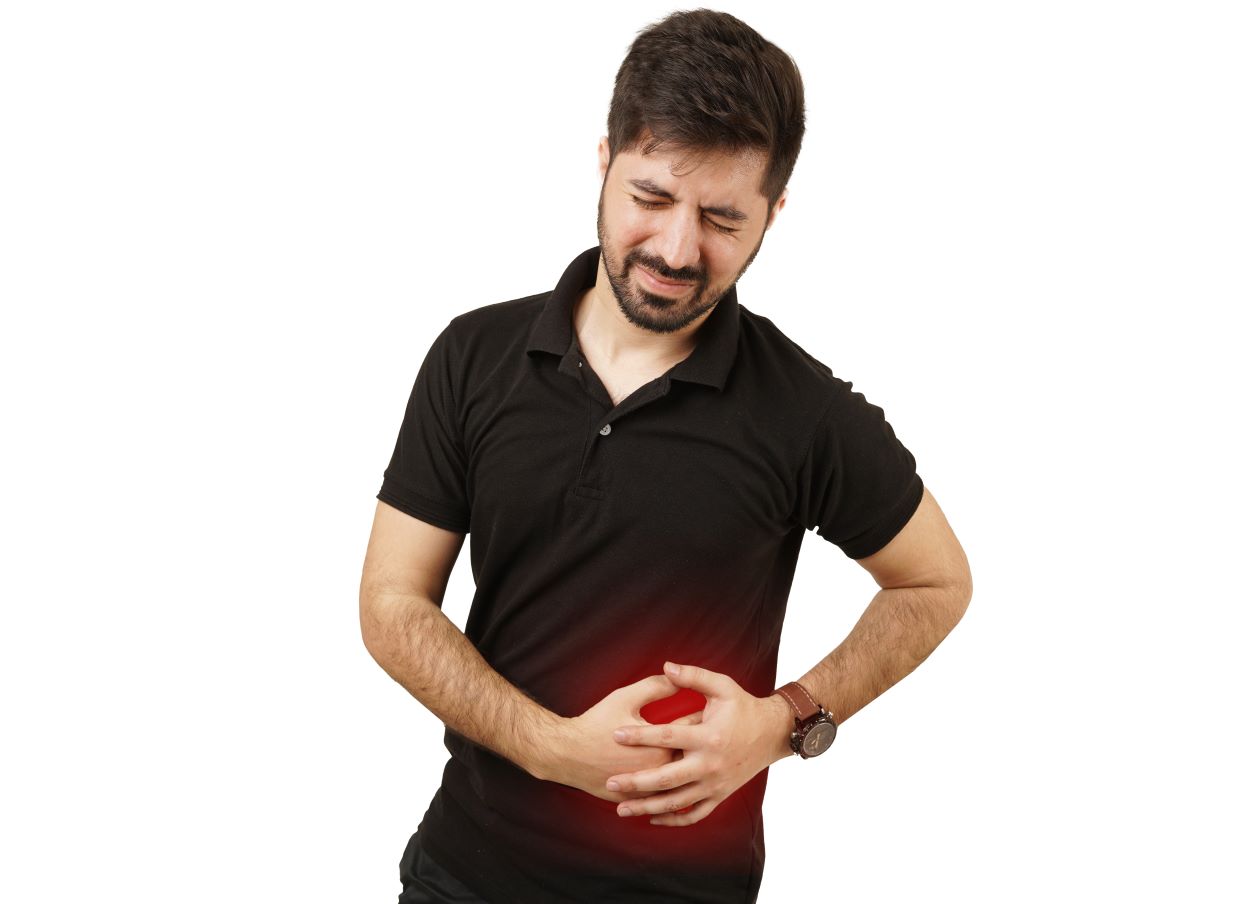
1. Severe Pain in the Side or Back
One of the most common signs of kidney stones is intense pain.
The pain may occur:
-
In the side of the back (flank area)
-
Below the ribs
-
In the lower abdomen
-
Around the groin area
Kidney stone pain is often sudden and may come in waves.
2. Pain While Urinating
When a stone moves through the urinary tract, it may cause:
-
Burning sensation during urination
-
Discomfort while passing urine
-
Urinary irritation
3. Blood in the Urine
Kidney stones can scratch the urinary tract lining and cause blood in urine.
Urine may appear:
-
Pink
-
Red
-
Brown
Even small amounts of blood should be evaluated by a doctor.
4. Frequent Urination
A stone near the bladder may create a frequent urge to urinate.
You may experience:
-
Increased frequency
-
Urgency to pass urine
-
Small amounts of urine each time
5. Nausea and Vomiting
Severe kidney stone pain can affect the digestive system and cause:
-
Nausea
-
Vomiting
-
Loss of appetite
6. Cloudy or Foul-Smelling Urine
Changes in urine appearance may indicate:
-
Infection
-
Presence of crystals
-
Urinary abnormalities
7. Fever and Chills
Fever with kidney stone symptoms may indicate a kidney infection.
This requires urgent medical attention because infection combined with urinary blockage can become serious.
8. Difficulty Passing Urine
A large stone may block urine flow and cause:
-
Reduced urine output
-
Difficulty urinating
-
Pressure in the urinary tract
9. Restlessness Due to Pain
Kidney stone pain can be severe enough that patients may:
-
Frequently change positions
-
Feel unable to get comfortable
-
Experience sudden episodes of discomfort
Causes and Risk Factors for Kidney Stones
Several factors increase the risk of kidney stones.
Low Fluid Intake
Not drinking enough water can make urine concentrated and increase stone formation.
Dietary Factors
Risk may increase with:
-
High salt intake
-
Excess animal protein
-
Certain dietary patterns
Family History
People with a family history of kidney stones may have a higher risk.
Obesity and Metabolic Conditions
Conditions such as obesity and metabolic disorders can increase stone risk.
Certain Medical Conditions
Kidney stones may be associated with:
-
Gout
-
Parathyroid disorders
-
Recurrent urinary infections
-
Certain digestive disorders
How Are Kidney Stones Diagnosed?
At Prabhakar Bhurke Clinic, our super specialist nephrologist performs a detailed evaluation.
Medical History and Examination
The doctor evaluates:
-
Pain location and severity
-
Urinary symptoms
-
Previous stone history
-
Diet and lifestyle
-
Medical conditions
Blood Tests
Blood tests may include:
-
Serum Creatinine
-
Kidney function tests
-
Electrolyte levels
-
Uric acid levels
Urine Tests
Urine tests help identify:
-
Blood
-
Infection
-
Crystals
-
Stone-forming substances
Imaging Tests
Common imaging methods include:
-
Kidney ultrasound
-
CT scan
-
X-ray when required
These help determine:
-
Stone size
-
Location
-
Number of stones
-
Treatment approach
Treatment Options for Kidney Stones
Treatment depends on stone size, location, symptoms, and kidney function.
Small Kidney Stones
Small stones may pass naturally with:
-
Adequate fluid intake as advised
-
Pain management
-
Medicines prescribed by a doctor
Medicines
Doctors may prescribe medications to:
-
Reduce pain
-
Relax urinary passages
-
Support stone passage
ESWL (Shock Wave Lithotripsy)
ESWL uses shock waves to break stones into smaller fragments.
Ureteroscopy With Laser Lithotripsy
A thin scope is used to locate and break stones using laser technology.
PCNL Surgery
For large or complex stones, PCNL may be recommended to remove stones through a small kidney opening.
When Should You Seek Medical Help?
Consult a super specialist nephrologist if you have:
-
Severe flank pain
-
Blood in urine
-
Fever with urinary symptoms
-
Repeated kidney stones
-
Difficulty passing urine
-
Reduced urine output
-
High creatinine levels
Immediate treatment helps prevent complications.
How to Prevent Kidney Stones
You can reduce the risk of future stones by:
-
Drinking enough water as advised
-
Reducing excess salt intake
-
Maintaining a balanced diet
-
Avoiding unnecessary dehydration
-
Maintaining healthy body weight
-
Following medical advice after previous stones
-
Regular kidney check-ups if at risk
Why Choose Prabhakar Bhurke Clinic?
Patients trust Prabhakar Bhurke Clinic because we provide:
-
Consultation with a super specialist nephrologist
-
Complete kidney stone evaluation
-
Advanced diagnostic facilities
-
Personalized treatment plans
-
Kidney function assessment
-
Kidney stone prevention guidance
-
Chronic kidney disease management
-
Dialysis planning
-
Kidney transplant evaluation
-
Long-term kidney health monitoring
Our goal is to identify kidney stone problems early, provide effective treatment guidance, and protect kidney health.
Frequently Asked Questions (FAQs)
What is the first sign of kidney stones?
The most common early sign is sudden pain in the side or back, often below the ribs, which may spread toward the abdomen or groin.
Can kidney stones occur without pain?
Yes. Some kidney stones may not cause symptoms until they move or block urine flow.
Are kidney stones dangerous?
Small stones may pass naturally, but larger stones can cause blockage, infection, and kidney complications if untreated.
Which doctor treats kidney stones?
A super specialist nephrologist evaluates kidney health and guides kidney stone management, while surgical procedures may involve urology specialists.
Conclusion
Recognizing the signs of having kidney stones can help patients seek timely treatment and avoid complications. Symptoms such as severe flank pain, blood in urine, painful urination, nausea, fever, and urinary changes should not be ignored.
Early diagnosis and proper treatment can help remove stones, prevent recurrence, and protect kidney function.
At Prabhakar Bhurke Clinic, our super specialist nephrologist provides expert kidney stone evaluation, advanced testing, personalized treatment guidance, and comprehensive kidney care to help patients maintain better kidney health.
Book an Appointment Today
If you are experiencing kidney stone symptoms, severe back pain, blood in urine, burning urination, recurrent stones, urinary blockage, or abnormal kidney tests, schedule a consultation at Prabhakar Bhurke Clinic. Our super specialist nephrologist will evaluate your condition and recommend the most suitable treatment plan.