Introduction
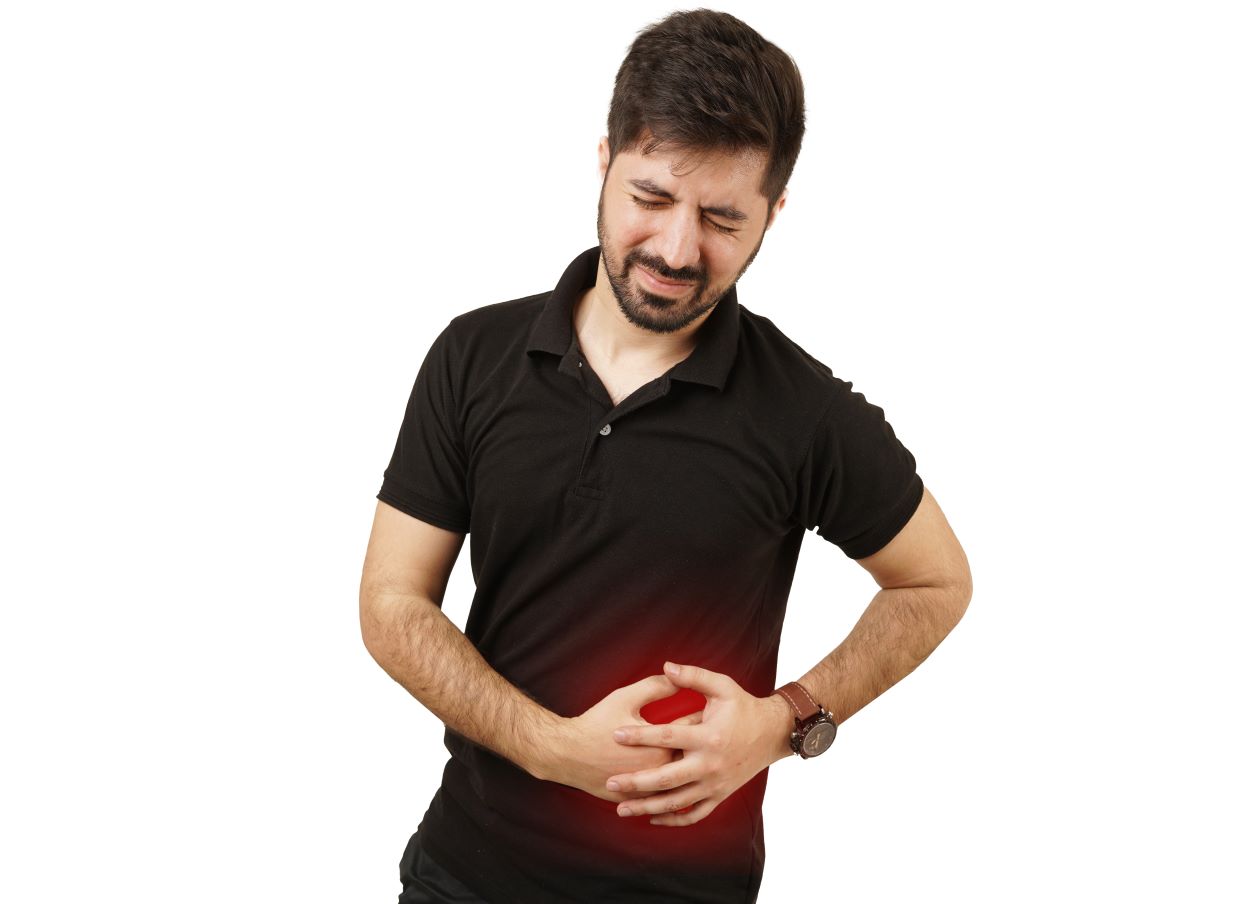
Kidney stone pain is often described as one of the most intense types of pain a person can experience. It usually begins suddenly and may spread from the back or side to the lower abdomen and groin. While some small kidney stones pass naturally, larger stones can block the urinary tract and require medical treatment.
Many people search for a stone pain remedy to get immediate relief. Although certain home measures may help ease discomfort temporarily, persistent or severe pain should always be evaluated by a kidney specialist. Prompt diagnosis is essential to prevent complications such as urinary tract infections, kidney damage, or obstruction.
At Prabhakar Bhurke Clinic, our super specialist nephrologist provides comprehensive diagnosis, medical management, and long-term prevention of kidney stones using advanced, evidence-based treatment approaches.
What Causes Kidney Stone Pain?
Kidney stones form when minerals and salts in the urine crystallize and stick together. Pain usually occurs when a stone moves into the ureter (the tube connecting the kidney to the bladder), causing blockage and increased pressure inside the kidney.
Pain may be mild with small stones but can become severe if the stone obstructs urine flow.
Symptoms of Kidney Stone Pain
Kidney stone pain is often accompanied by:
-
Severe pain in the back or side
-
Pain that radiates to the lower abdomen or groin
-
Waves of intense pain (renal colic)
-
Burning sensation while urinating
-
Blood in the urine
-
Frequent urge to urinate
-
Nausea and vomiting
-
Cloudy or foul-smelling urine
-
Fever and chills if an infection is present
If you experience fever, persistent vomiting, or difficulty passing urine, seek immediate medical attention.
Stone Pain Remedies at Home
While waiting for medical evaluation, some measures may help relieve discomfort. These are supportive measures and should not replace professional treatment.
1. Stay Hydrated
If your doctor has not advised fluid restriction, drinking adequate water may help small stones move through the urinary tract.
Avoid excessive water intake if you have kidney failure, heart disease, or severe obstruction.
2. Apply a Warm Compress
A heating pad or warm compress placed over the painful area may help relax muscles and reduce discomfort temporarily.
Avoid excessive heat or prolonged use to prevent skin burns.
3. Rest
Physical activity may worsen pain during an acute stone attack. Resting in a comfortable position can help reduce discomfort until you receive medical care.
4. Take Medicines Only as Prescribed
Doctors may prescribe medications to:
-
Relieve pain
-
Reduce inflammation
-
Relax the ureter to help small stones pass
-
Treat infection if present
Do not self-medicate with painkillers regularly, as some medicines may affect kidney function.
Medical Treatment for Kidney Stones
The best treatment depends on the size, location, and type of kidney stone.
Small Stones
Many small stones can pass naturally with:
-
Adequate hydration
-
Pain management
-
Medications that help relax the urinary tract
-
Regular follow-up
Shock Wave Lithotripsy (ESWL)
High-energy sound waves are used to break stones into smaller pieces that can pass more easily through urine.
This treatment is suitable for selected patients.
Ureteroscopy (URS)
A thin instrument is passed through the urinary tract to locate and remove or break the stone using specialized equipment.
Percutaneous Nephrolithotomy (PCNL)
Large or complex kidney stones may require PCNL, a minimally invasive procedure performed through a small incision in the back to remove stones directly from the kidney.
Surgical Treatment
Rarely, surgery may be required for very large or complicated stones that cannot be managed with minimally invasive procedures.
Foods That May Help Prevent Future Stones
Preventing stone recurrence is just as important as treating pain.
Depending on the type of stone, your nephrologist may recommend:
-
Drinking enough water daily
-
Limiting salt intake
-
Eating fresh fruits and vegetables
-
Maintaining normal dietary calcium intake unless advised otherwise
-
Reducing excessive animal protein
-
Avoiding sugary drinks and processed foods
-
Following a personalized diet based on stone analysis
Dietary recommendations vary according to the type of kidney stone.
When Should You See a Kidney Specialist?
Seek immediate medical care if you have:
-
Severe or unbearable pain
-
Blood in the urine
-
Fever with chills
-
Persistent vomiting
-
Difficulty passing urine
-
Pain lasting more than a few hours
-
Recurrent kidney stones
-
Reduced kidney function
Early treatment helps prevent complications such as kidney infection and permanent kidney damage.
Diagnosis at Prabhakar Bhurke Clinic
At Prabhakar Bhurke Clinic, our super specialist nephrologist performs a detailed evaluation to determine the cause of kidney stone pain and recommend the most appropriate treatment.
Blood Tests
Investigations may include:
-
Serum Creatinine
-
Kidney Function Tests
-
Electrolytes
-
Uric Acid
-
Calcium
Urine Tests
Urine examination helps detect:
-
Blood
-
Infection
-
Crystal formation
-
Stone risk factors
Urine culture may be advised if an infection is suspected.
Imaging Studies
Depending on your symptoms, imaging may include:
-
Kidney Ultrasound
-
X-ray KUB
-
CT KUB (Non-contrast CT scan)
These tests help identify the size, number, and location of kidney stones.
Preventing Kidney Stone Recurrence
To reduce the risk of future kidney stones:
-
Drink adequate water unless medically restricted.
-
Reduce salt intake.
-
Maintain a healthy weight.
-
Exercise regularly.
-
Follow a kidney-friendly diet.
-
Complete prescribed medications.
-
Attend regular follow-up appointments.
-
Undergo metabolic evaluation if stones recur frequently.
Long-term prevention can significantly reduce the chance of another painful stone episode.
Why Choose Prabhakar Bhurke Clinic?
Patients trust Prabhakar Bhurke Clinic because we provide:
-
Consultation with a super specialist nephrologist
-
Advanced kidney stone diagnosis
-
Personalized treatment plans
-
Medical management of kidney stones
-
Guidance for ESWL, URS, and PCNL when appropriate
-
Chronic kidney disease management
-
Long-term kidney stone prevention programs
-
Compassionate, evidence-based care
Our focus is on relieving pain, protecting kidney function, and preventing future stone formation.
Conclusion
Finding the right stone pain remedy begins with identifying the cause of your symptoms. While hydration, rest, and prescribed medications may provide temporary relief for some patients, persistent or severe kidney stone pain requires prompt medical evaluation. Advanced treatment options such as ESWL, ureteroscopy, or PCNL may be needed depending on the size and location of the stone.
At Prabhakar Bhurke Clinic, our super specialist nephrologist offers comprehensive kidney stone care, from accurate diagnosis and pain management to advanced treatment planning and long-term prevention. Early intervention can help you recover faster and protect your kidneys from future complications.
Book an Appointment Today
If you are experiencing severe back or side pain, blood in the urine, painful urination, recurrent kidney stones, nausea, vomiting, or symptoms of urinary obstruction, schedule a consultation at Prabhakar Bhurke Clinic. Our super specialist nephrologist will evaluate your condition, identify the cause of your pain, and recommend the most effective treatment to relieve symptoms and prevent future kidney stones.